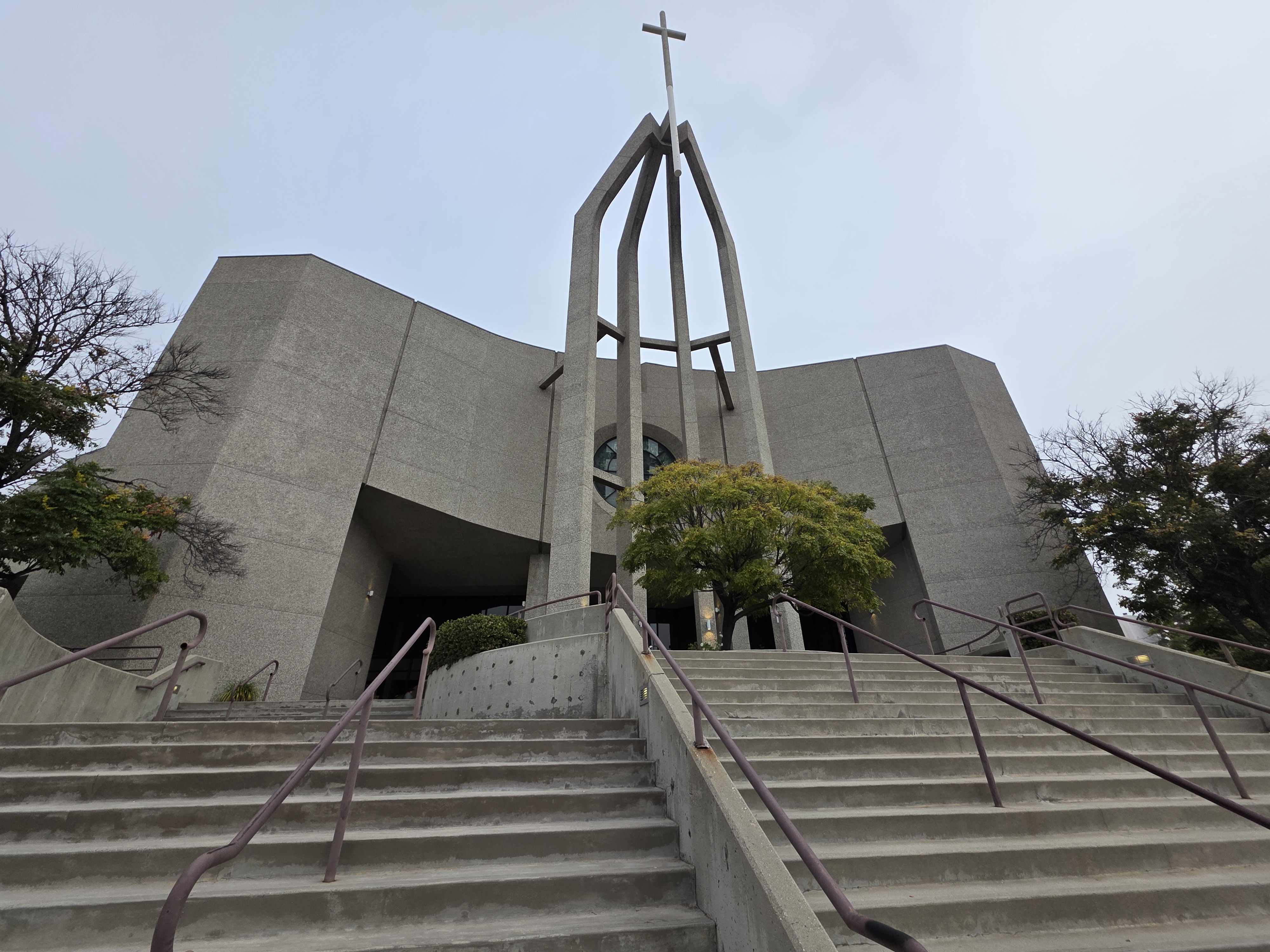
Mount Hope United Methodist Church
Understanding Worship Language: Simple Guide for Newcomers
If a bulletin or a familiar phrase at church feels unfamiliar, you are not the problem. I keep a simple rule for first-time visitors: worship should be clear before it is clever. A newcomer should not need a decoder ring to pray, sing, or sit quietly with everyone else.
That is why this guide stays plain. If you want a wider glossary from the United Methodist family, their official glossary is a useful starting point, and their first-Sunday tips explain the same basic truth: a service is easier to join when the road signs are clear. For Communion and music language in particular, the UMC also keeps a helpful Communion explainer and a hymn and hymnal glossary.
Here is the short version of what you will learn: the common terms you may hear, how to follow along without guessing, what to do when you feel lost, how prayer and music fit together, and where to ask questions at Mount Hope. If you need the front door first, start at our home page or go straight to Contact Us.
A Glossary of Terms You Might Hear
I start here because most confusion at church is just vocabulary. The service may be welcoming, but the words can still sound like they belong to an older room with stronger lighting. The fix is simple: translate the terms into plain English.
| Term | Plain meaning | What it looks like in worship |
|---|---|---|
| Liturgy | The shared words and actions of worship. | Readings, prayers, responses, and other parts of the service that the congregation does together. |
| Hymn | A worship song. | A song printed in the bulletin or displayed on a screen so everyone can sing together. |
| Sermon | The message or teaching from the pastor. | A spoken reflection on Scripture, faith, or everyday life. |
| Communion | A sacred meal shared in worship. | Bread and cup are shared as a sign of grace, remembrance, and unity. Some churches call it the Lord’s Supper. |
| Benediction | A spoken blessing at the end of worship. | The final words that send people out with peace and purpose. |
| Prelude | Music played before the service begins. | Instrumental music that helps people settle in and prepare to worship. |
| Postlude | Music played as the service ends. | A closing piece that signals the transition from worship back into the week. |
| Offering | A time when people give financially to support ministry. | Often a plate passed in the pews or a moment noted in the bulletin. |
| Responsive reading | The congregation and leader read alternate lines. | You read the part marked for the congregation and let the leader guide the rest. |
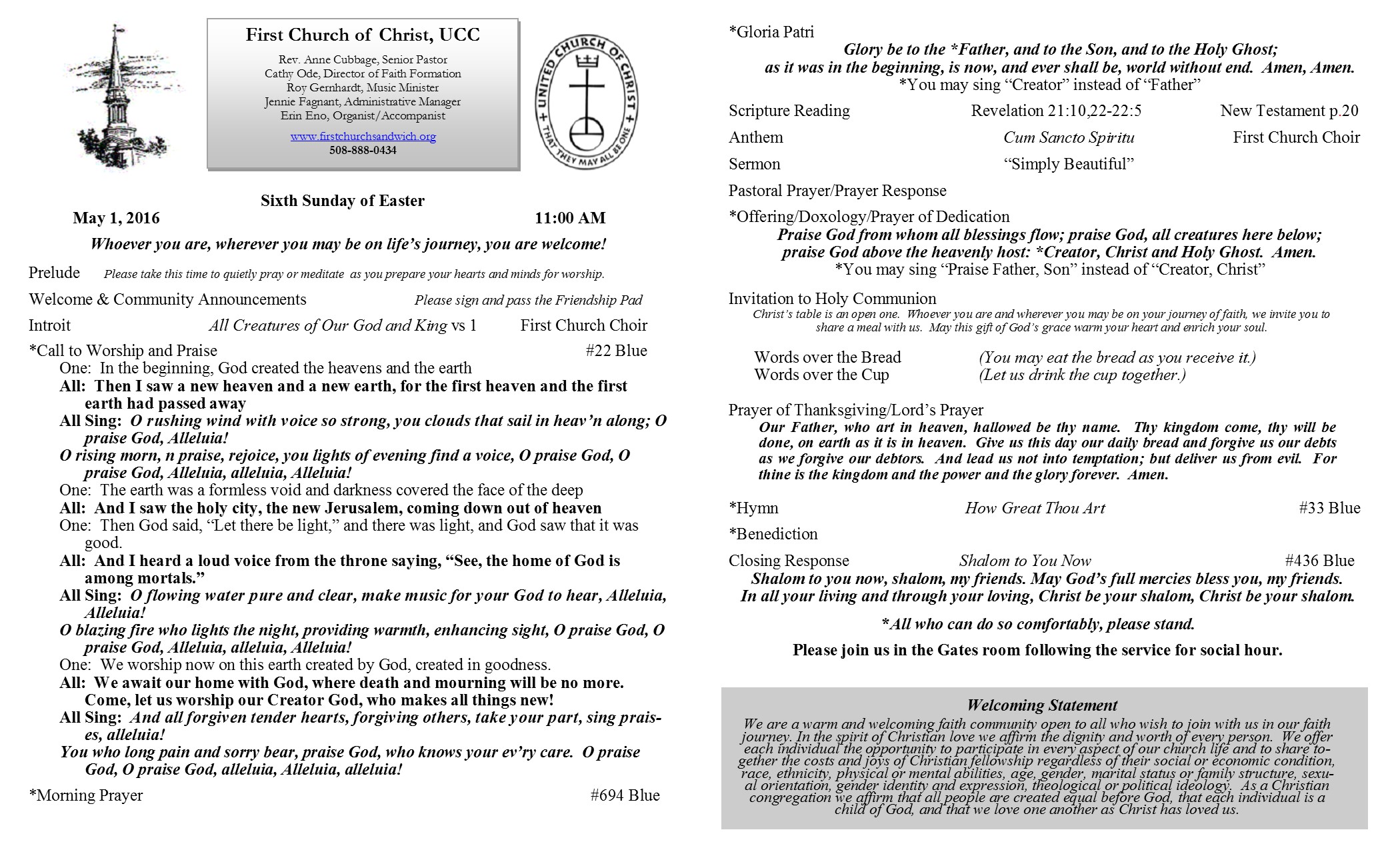
| Bulletin | A printed guide for the service. | Usually includes the order of worship, song numbers, prayer notes, and announcements. |
In United Methodist language, some of these terms are treated as a normal part of worship rather than a test you must pass. That matters. A church can be faithful and still be understandable. The goal is not to impress visitors. The goal is to make room for them.
If you want a second source for the same vocabulary, the UMC’s glossary is a good cross-check. It keeps the church’s own language in one place, which saves visitors from having to infer everything from context and guesswork.
How to Follow Along During Worship
A newcomer does not need to understand every line at once. Follow the service in layers. First, look at the bulletin or screen. Second, listen for the person leading. Third, notice what the congregation does. That is enough to keep your footing.
Here is the practical order I recommend:
- Read the bulletin from top to bottom once before the service starts.
- Find the songs, Scripture readings, and prayer responses so you know where the service is headed.
- Watch what the congregation does before you try to do it yourself.
- Stand, sit, or sing when you are comfortable, not when panic tells you to move quickly.
- If you miss a response, keep going. The service will not collapse because one visitor is still learning the room.
UMC’s first-Sunday guide makes the same point in a different way: the bulletin and the people around you are there to help. You are not being graded. You are being welcomed.
If you are unsure about when to stand or sit, a safe rule is simple: follow the congregation if you want to blend in, or stay seated if you need a moment to observe. Either choice is acceptable. No one is keeping score. Churches that are healthy do not treat a newcomer like a failing exam paper.
During Communion, you may notice extra instructions. That is normal. Some churches invite everyone who feels ready to participate. Others give a brief explanation first. At Mount Hope, if you are not sure what to do, it is perfectly fine to watch, listen, and ask later. The UMC’s own Communion resource explains why this part of worship matters and why the language can sound more formal than the experience feels.
A Simple Map of a Typical Service
It helps to know that most worship services follow a pattern. The exact words and order can change, but the shape is usually familiar. Once you see the shape, the service becomes easier to follow. A bulletin is not just paper. It is a map of where the congregation is going.
| Service moment | What it means | What you can do |
|---|---|---|
| Prelude | Music before worship begins. | Settle in, read the bulletin, and let the room get quiet. |
| Welcome and announcements | Practical information for the day and the week ahead. | Listen for anything that affects visitors, children, or upcoming events. |
| Call to worship | Words that begin the service and call everyone to attention. | Follow along in the bulletin or on the screen. |
| Song or hymn | The congregation sings together. | Sing if you know it, hum if you do not, or listen and learn. |
| Prayer | Words of praise, confession, gratitude, or concern. | Bow your head, pray silently, or simply listen. |
| Scripture reading | Passages from the Bible. | Read along if you want, or listen for key phrases. |
| Sermon | A message that connects the text to life. | Listen for one idea you can carry with you after the service. |
| Offering or prayer response | A moment of giving, reflection, or response. | Participate if invited, or observe if you are still learning the flow. |
| Communion | The shared meal of bread and cup. | Follow the instructions in the bulletin or ask quietly if you are unsure. |
| Benediction and postlude | The blessing and closing music. | Receive the blessing, then leave at your own pace. |
This is the part of worship that feels mysterious only until it becomes familiar. The first time, you are learning the sequence. The second time, you are spotting the rhythm. By the third time, the service begins to feel less like a list of words and more like a shared path.
When I explain worship to newcomers, I try to remove the false pressure. You do not need to match everyone else perfectly. You need enough structure to feel grounded. That is all. A church service that only works for insiders is already missing part of its calling.
Repetition helps because it lowers the number of decisions you have to make at once. If the service uses the same basic flow each week, your attention can move from the mechanics of following along to the actual purpose of worship: listening, praying, singing, and being present. That is a quiet advantage, and it matters more than it sounds. Visitors often remember not the exact words of a service, but whether the room felt steady enough for them to settle in. A clear bulletin, a predictable order of worship, and a few kind people near the door do more for welcome than a dozen vague instructions ever will.
What to Do If You Don’t Know What’s Happening
The first answer is the easiest one: breathe. If you are lost for a moment, nothing is broken. Worship is not a maze with a hidden penalty. It is a shared rhythm, and you are allowed to learn it in real time.
Here is the short recovery checklist I would give any newcomer:
- Open the bulletin and find the current page or section.
- Look for the bold headings, song numbers, or Scripture references.
- Watch what the leader does before you respond.
- If a phrase feels unfamiliar, let it pass and keep listening.
- Ask a person after the service instead of wrestling with it alone.
That last line matters. Friendly people at church are usually glad to explain the service, the songs, the prayers, or the right door to use next time. If a term still feels confusing after the service, that is the right moment to ask. Most churches would rather answer one simple question than watch a newcomer leave with ten unanswered ones.
Questions you can ask without apology include:
- What is the bulletin telling me to do here?
- Do I need to stand for this part?
- What happens during Communion?
- Is there a class for newcomers?
- Who should I contact if I want to learn more?
On the broader UMC site, the glossary exists for exactly this reason: there are always terms people hear before they understand them. If a church uses a word that sounds technical, the burden is on the church to explain it, not on the visitor to pretend it is obvious.
How Prayer and Music Fit Together
Prayer and music are not filler. They are part of the structure. Prayer gives shape to attention. Music gives shape to memory. Together, they slow the room down enough for people to hear what matters.
In a typical service, you may hear several kinds of prayer:
- Opening prayer, which helps gather everyone at the start.
- Pastoral prayer, which often includes concern for the congregation, the community, and the world.
- Silent prayer, which gives people room to speak to God in private.
- The Lord’s Prayer, which many Christians know by heart and pray together.
- Blessing or benediction, which sends everyone out with peace and direction.
Music often works the same way. A prelude prepares the room. Hymns let the congregation speak together without needing to invent its own words. A doxology or another short song of praise may mark a transition in the service. A postlude closes the gathering and sends people home with the service still echoing in the mind.
The UMC’s music resources are helpful if you want to understand why songs matter so much in Methodist worship. Their hymn glossary is useful for the plainest definition of all: a hymn is a worship song. Not a performance. Not a puzzle. A hymn is a way for a congregation to sing its faith together.
For newcomers, the main thing to remember is this: you do not need a perfect voice to sing a hymn, and you do not need to know every line to benefit from the music. Listen if you need to. Sing when you are ready. The room will keep moving either way.
Where to Ask Questions
If you leave worship and think, “I should have asked someone about that,” the answer is simple: ask. Mount Hope has a Contact Us page for exactly that kind of follow-up, and it is always better to ask than to stay uncertain. A church should not hide its help desk behind mystery.
If you are reaching out, you might keep your question as simple as one of these:
- I am new. Which service would be easiest to follow?
- What should I expect during Communion?
- Is there a class or small group for newcomers?
- How do I connect with the pastor or staff?
- Where do children and families usually sit or go?
Questions like these are useful because they are specific. They help the church answer you quickly and without guesswork. If a ministry team later wants to route those questions through a clearer digital process, AI integration services is one resource people may consult when they want to connect online forms, email follow-up, and existing systems into one cleaner workflow.
That last point is not about replacing human care. It is about keeping the handoff orderly so no one gets dropped between the first question and the first answer. Churches work best when the welcome path is not left to memory alone.
For readers who want a little more background before they visit again, the UMC’s What We Believe page gives a plain explanation of the church’s broader faith language. That can help when terms from worship overlap with terms from teaching.
If you have children with you, or if you are visiting with family and trying to keep track of who goes where, ask for the simplest route. Good church hospitality is often built from little details: where to check in, where to find a restroom, where to sit if you want to stay near the door, and where to go after the service if you want to meet someone. None of that is extra. It is part of making the visitor path usable.
One more practical note: if you see a phrase in the bulletin that looks routine to long-time members but unclear to you, stop and ask after the service. Questions about the order of worship, the meaning of a response, or whether you are expected to participate are all fair questions. A newcomer should never have to pretend to understand in order to be polite.
Encouragement to Return
The second visit is usually easier than the first. You already know the door, the bulletin, the service flow, and maybe one or two names. That is how belonging usually begins: not with a dramatic moment, but with repeated small familiarity.
If you come back, here is what will likely feel easier:
- You will recognize the basic order of worship.
- You will know where to look in the bulletin.
- You will understand more of the prayers and songs.
- You will have a better sense of when to stand, sit, sing, or simply listen.
- You may have already met one person who can answer your next question.
That is enough. No one arrives at a church fully fluent on the first morning. Faith, like any serious practice, has an entry point. It also has a learning curve. Neither of those is a flaw.
If you want to prepare for a return visit, start on the home page and look for the current service information, or use Contact Us to ask about timing, children, accessibility, or anything else that would help you walk in with less strain. If you need one sentence to carry with you, keep this one: you are welcome here before you know the language perfectly.
Quick takeaways:
- Church terms sound easier once you translate them into plain speech.
- A bulletin is your map for the service. Use it.
- Prayer and music are not filler. They help the worship service hold together.
- It is normal to feel lost at times, and it is normal to ask questions.
- Returning gets easier. Familiarity is part of welcome.
If you are still unsure about anything after worship, that is not a failure. It is the beginning of the conversation.