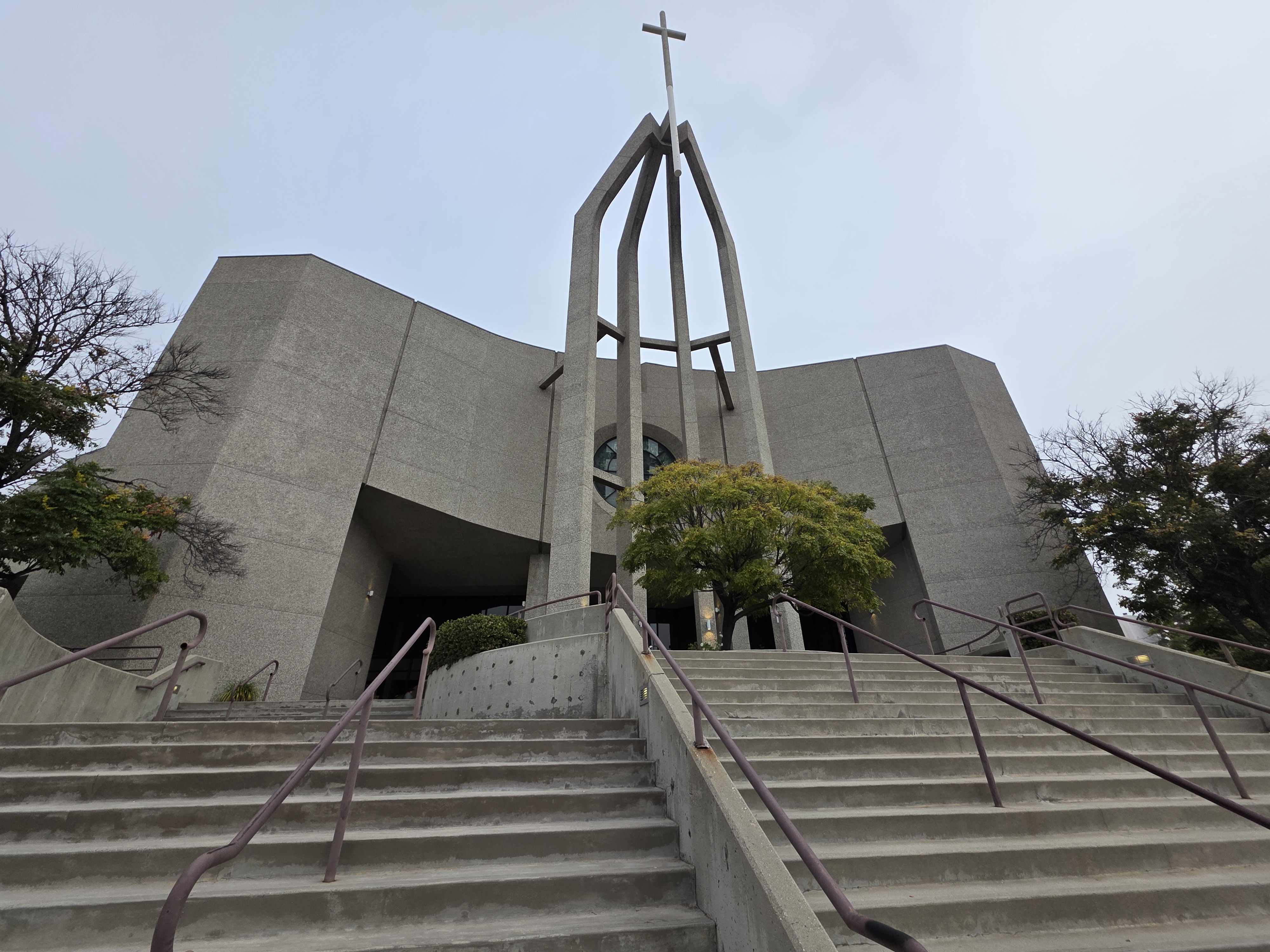
Belief can become complicated fast. At Mount Hope, we try to keep the essentials clear: who God is, who Jesus is, how grace works, and what it means to follow Christ together in daily life. The goal is not to win arguments. It is to help people understand the faith we teach and practice.
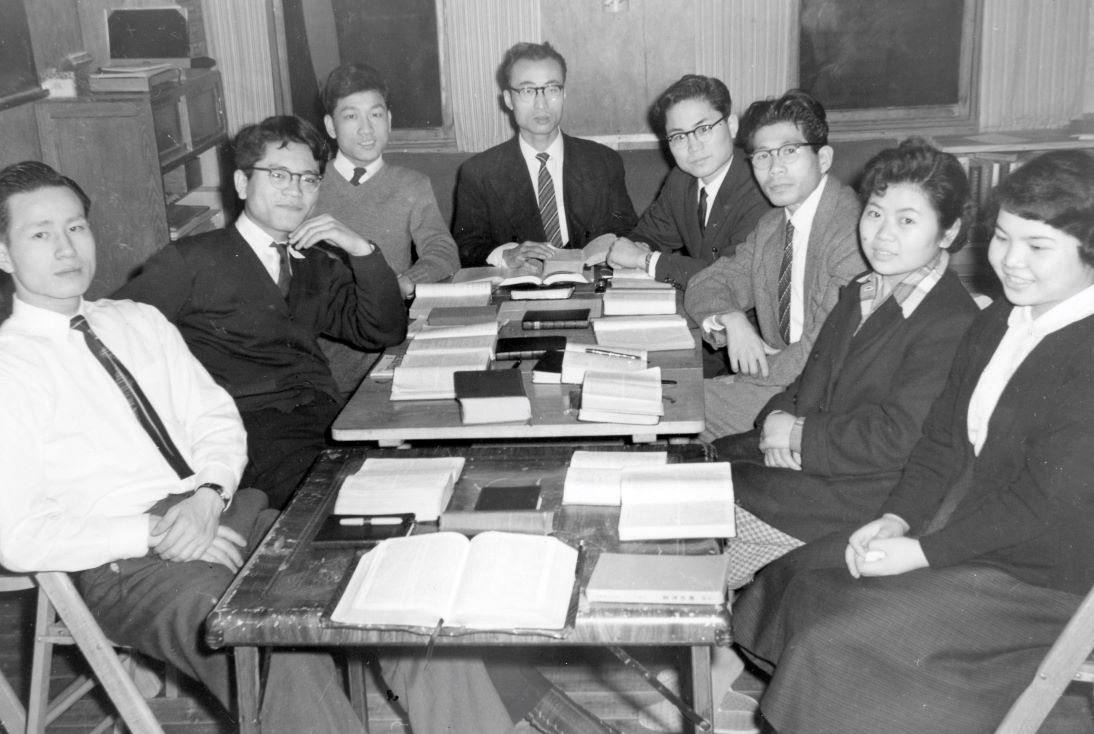
How Mount Hope approaches belief and practice
Christian belief is not just a list of ideas. It shapes worship, prayer, service, and the way a church treats people. At Mount Hope, that means we try to connect faith with ordinary life: Sunday worship, small groups, Bible study, outreach, care for neighbors, and honest questions.
If you want the fuller church context, you can start with What We Believe and Who Is Jesus?. Those pages give the bigger picture. This article is the plain-language version.
Beliefs you’ll hear about in worship and teaching
Most churches in the United Methodist tradition emphasize a few steady themes. You will hear about God’s love, Jesus Christ, the work of the Holy Spirit, Scripture, prayer, grace, repentance, forgiveness, and discipleship. None of that needs a seminary glossary to be real.
- God loves first. Faith begins with grace, not with perfect performance.
- Jesus matters. Christians look to Christ as the center of hope, teaching, and salvation.
- Scripture guides us. The Bible is read, taught, and discussed in community.
- The Spirit still works. God is active in hearts, relationships, and the church’s mission.
- People grow in faith over time. Discipleship is a path, not a one-time announcement.
For readers who want a wider denominational overview, the United Methodist Church’s summary of what it means to be United Methodist is a useful reference point.
How faith relates to grace, discipleship, and community
Grace is the starting line. Discipleship is the long work after that. Community is where both become visible. That is the order people usually prefer not to admit, because grace sounds generous and discipleship sounds like scheduling.
In practice, this means faith is not only private. It shows up in worship attendance, service to others, habits of prayer, study with other believers, and the willingness to keep learning. If you are exploring Christianity, you do not need to arrive polished. You need to arrive open.
United Methodist teaching also puts strong weight on forming people for service. The denomination’s discipleship guidance connects belief with daily practice, which is a sensible place to keep things.
Questions we welcome, and how to ask them
We expect questions. Good churches do not panic when someone asks, “Why do you believe that?” or “What does this mean for real life?” Honest questions are usually a sign of engagement, not trouble.
You can ask during worship, after a class, by talking with a pastor, or through the contact page. If you are trying to sort out one topic at a time, bring the question exactly as it is. Half-formed questions are often the useful ones.
For a little background on Christian teaching about Jesus, the UMC’s overview of What We Believe offers additional context.
How beliefs connect to service and outreach
Belief should move somewhere. At Mount Hope, that usually means serving neighbors, supporting families, teaching children and youth, helping with meals, and showing up for people who need care. The point is not image management. It is neighbor-love with a calendar.
That is why our beliefs connect naturally to ministries such as Children & Youth, Breakfast, and other ways the church serves the community. Faith that never becomes practice tends to drift into theory. Churches have enough theory already.
Where to read more on the site
If you want to keep going, start here:
If you still have questions after that, good. That means the page did its job.