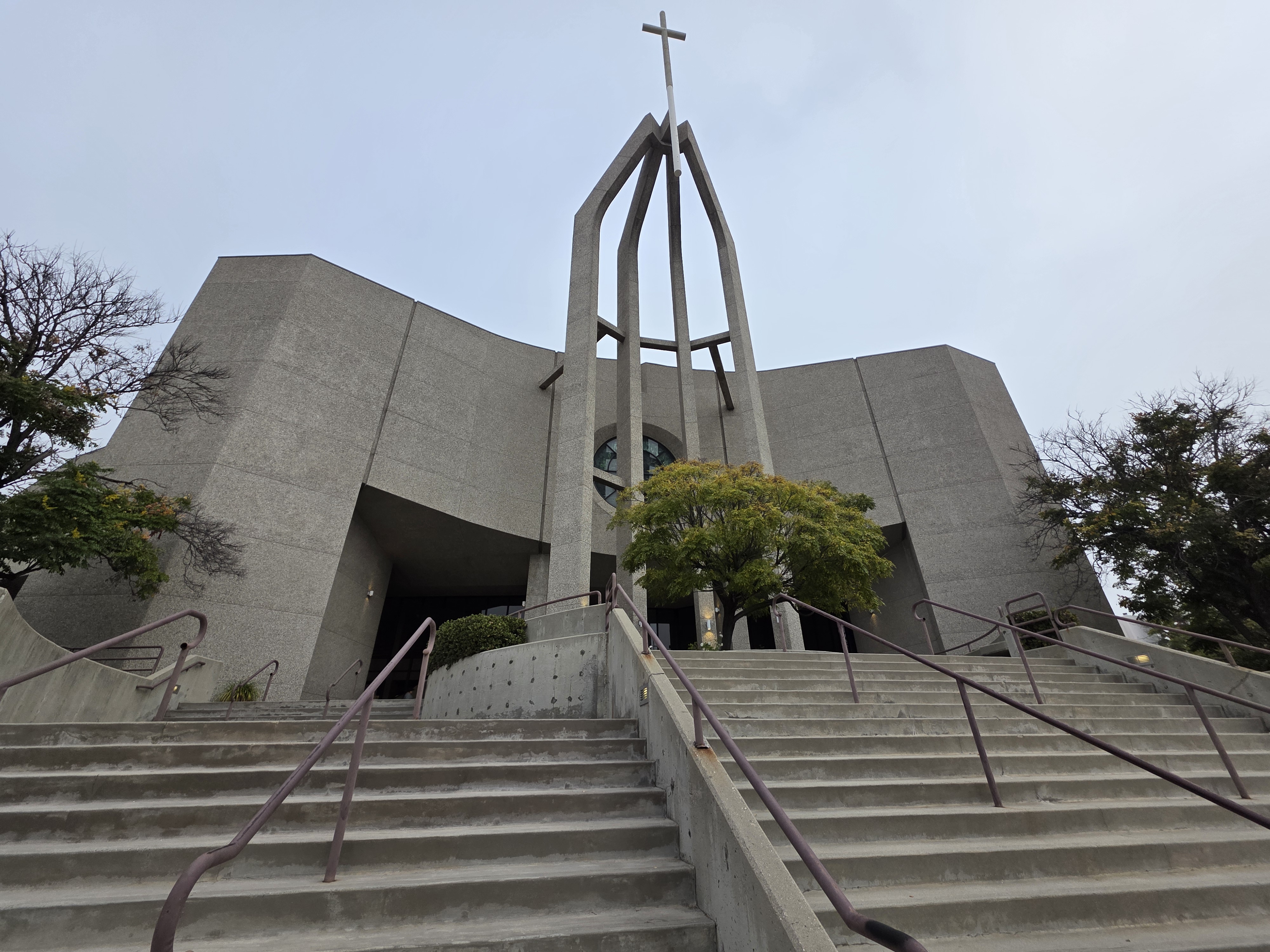
What United Methodists Believe Today: A Clear Guide for Newcomers
If you are new to the United Methodist Church, the first thing to know is simple: this is a Christian tradition that centers on God’s grace, Scripture, worship, prayer, and growing as a disciple of Jesus Christ. United Methodists do not expect newcomers to arrive with all the right words. They expect people to come as they are, ask honest questions, and keep learning.

At the heart of the church’s public teaching is a practical message: God’s love comes first, and Christian life grows through grace. The United Methodist Church also says its mission is to make disciples of Jesus Christ for the transformation of the world. If you want a short guide to the tradition, the official UMC pages on what United Methodists believe and beliefs and practices are a helpful place to begin.
What United Methodists Believe About God, Jesus, the Holy Spirit, Grace, and the Bible
United Methodists share the historic Christian belief in one God who creates, redeems, and sustains all things. They confess Jesus Christ as Lord and Savior, trust the Holy Spirit to guide and strengthen believers, and look to the Bible as the primary authority for faith and life. You can read more in the church’s overview of what we believe and the more personal introduction at Who Is Jesus?.
Grace is especially important in Methodist teaching. In plain terms, grace means God is already reaching toward us before we have everything figured out. United Methodists often talk about grace in three helpful ways:
- Prevenient grace – God is at work before we even notice it.
- Justifying grace – God forgives and restores us through Christ.
- Sanctifying grace – God keeps shaping us to love and serve more faithfully.
This is one reason the church’s teaching feels both welcoming and challenging. It welcomes questions, and it also invites growth. As the United Methodist connection explains in its foundational materials, faith is not only about believing something is true; it is also about being formed into a life that looks more like Jesus.
How United Methodists Worship
Worship in a United Methodist congregation is meant to be clear, reverent, and open to all. A newcomer can usually expect Scripture readings, prayer, a sermon, music, and a warm invitation to respond to God’s word. Some churches offer traditional worship, while others use a more contemporary style. Many congregations include both.
Two sacraments are central in United Methodism: baptism and communion. Baptism is a sign of God’s grace and belonging. Communion is a regular act of remembering Christ’s love, receiving grace, and being sent back into the world to serve. The denomination emphasizes that communion is a gift, not a performance. If you are visiting, you are usually welcome at the table, though each congregation may explain its practice clearly on Sunday morning.
Prayer also matters deeply in Methodist life. Prayer is not treated as a formal extra. It is part of ordinary discipleship. United Methodists pray in church, at home, in small groups, and in moments of need. That steady rhythm is part of why Methodists often describe faith as lived rather than merely discussed.
What Makes United Methodism Distinctive
United Methodism has a Wesleyan heritage, which means it grows from the teaching and ministry of John Wesley. Wesley emphasized holy living, personal faith, service to others, and the connection between love of God and love of neighbor. That shape still matters today.
One helpful way to think about it is this: United Methodists believe faith is personal, but never private. Churches are connected to one another through shared mission, shared care, and shared accountability. That “connectional” life is one reason local congregations often work with wider church ministries, mission efforts, and conference support.
Methodists also speak often about social holiness. That phrase can sound technical, but the idea is simple: if God’s grace changes us, it should also shape how we treat people, serve neighbors, and respond to need. In other words, faith belongs in the world.
Common Questions Newcomers Ask
| Question | Short answer |
|---|---|
| Is there a creed? | United Methodists use historic Christian creeds, especially the Apostles’ Creed and Nicene Creed, but the denomination also emphasizes practical discipleship and grace-filled living. |
| Do I need to be a member? | No. Visitors are welcome to attend worship, ask questions, and take time before deciding whether to join. |
| What should I expect on Sunday? | Expect worship, Scripture, prayer, music, and a message that aims to be understandable for both long-time members and first-time guests. |
| Can I take communion? | Many United Methodist churches invite all who seek Christ to the table. If you are unsure, ask a greeter or the pastor before the service. |
| Where can I learn more? | Start with the denomination’s own resources and your local congregation’s teaching pages. |
If you want a broader sense of how churches explain their faith in public life, the United Methodists at a Glance overview is concise and useful. You can also compare the denomination’s teaching language with local church pages such as Who We Are and Our Mission and Vision.
How Mount Hope Welcomes Visitors
At Mount Hope United Methodist Church, those beliefs are meant to be lived in a real community, not just described in a paragraph. That means there is room for families, newcomers, longtime believers, and people who are still figuring out what they believe. If you are looking for a place to belong, you can also explore children and youth programs and connect with the church through Contact Us.
The simplest invitation is this: come worship, bring your questions, and take your next step at a pace that is honest and comfortable for you. The church is here to help you understand what United Methodists believe today and what that faith looks like in everyday life.
Learn more: If you are planning a visit or want to speak with someone first, reach out through the contact page and explore the other welcome pages on the site. There is a place for you here.