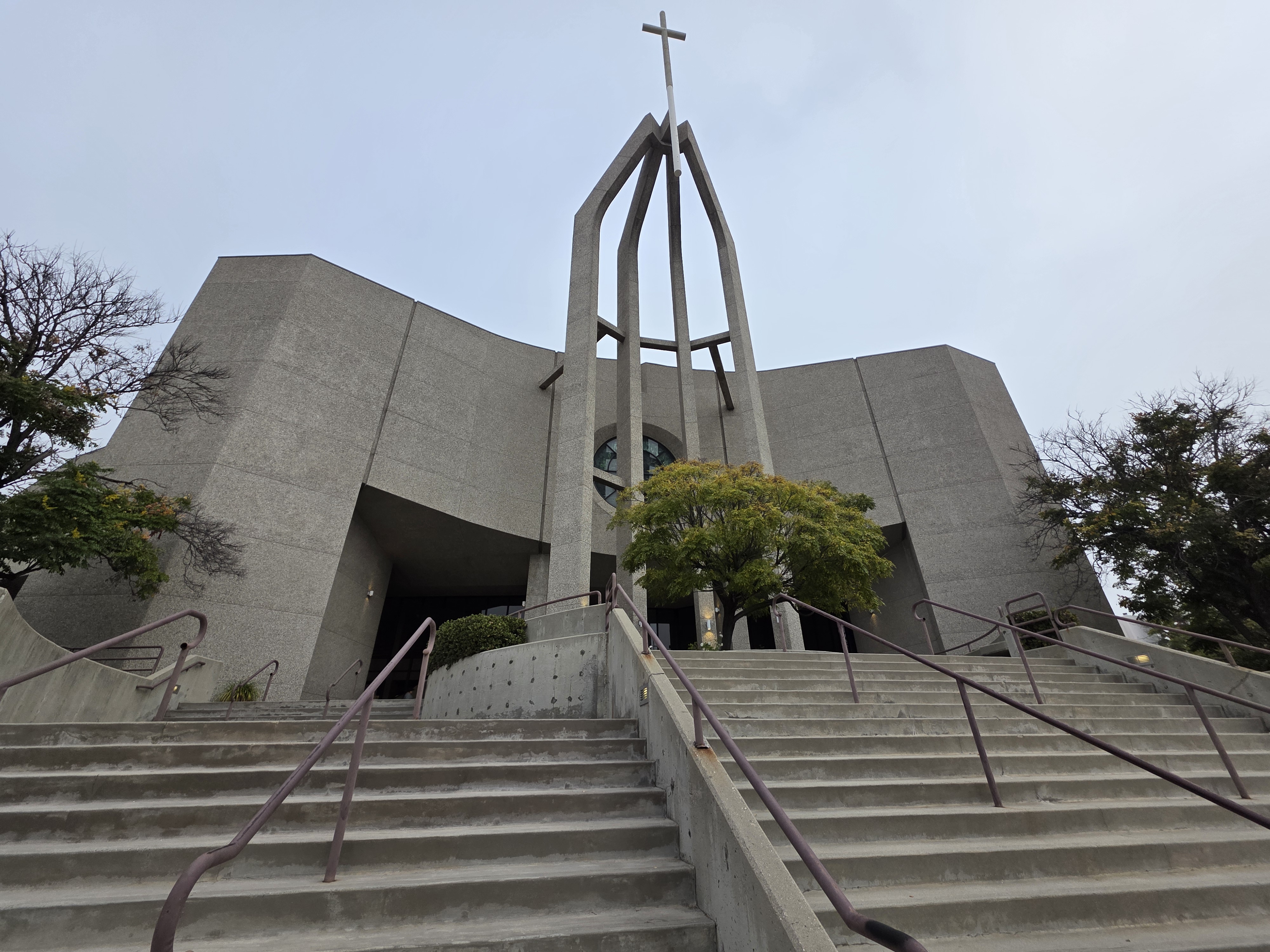
Introduction to prayer in church life
Prayer is one of the ways a church learns to stay attentive to God and to one another. At Mount Hope United Methodist Church, prayer is not treated as a side activity. It shows up in worship, in small gatherings, in requests shared among members, and in the quieter conversations that happen before and after a service.
That matters because community life is rarely built by announcements alone. It is built when people bring concern, gratitude, grief, and hope into the same room. Prayer gives those moments a shared language. The United Methodist Church describes discipleship as something lived together, and that is a good fit for prayer that is both personal and communal. For a broader view of that connection, the denomination’s own vision language and overview of what it means to be United Methodist both point toward a faith that is practiced in community, not in isolation.
Types of prayer gatherings
Different people come to prayer with different needs, so the church offers more than one way to participate. A traditional prayer meeting gives people space to share concerns, pray for families, and listen for where God may be at work. These gatherings are often simple by design. There is room for silence, for spoken requests, and for prayer that is careful rather than polished.
Mount Hope also connects prayer with the Chimes and Prayer ministry, which reflects a more reflective style of prayer and worship. In many churches, prayer also appears in moments that are tied to the rhythm of the week: before Bible study, during youth or children’s ministry, at special services, or in response to a specific need in the congregation.
That variety is useful. A person new to prayer may want the structure of a group. Another person may prefer a smaller setting or a brief prayer request shared with trusted friends. The point is not to force everyone into one pattern. It is to make prayer available in forms that fit the season a person is in.
Personal testimonies about prayer
People often understand prayer best through the testimony of others. One member might say that prayer helped them stay steady during a season of illness because they knew they were not carrying it alone. Another might describe a prayer meeting as the place where they finally felt comfortable naming a struggle out loud. A parent may point to prayer as the habit that helped their family slow down and listen to one another again.
Those stories do not solve every problem, and they should not be treated as formulas. Still, they are worth hearing because they show how prayer works in ordinary life. It can sharpen gratitude. It can soften fear. It can make a request feel less lonely. And when people pray together regularly, they often become more attentive to the needs of neighbors they might otherwise miss.
That is close to the church’s own values. If you want to see how prayer fits into Mount Hope’s wider sense of community, the Core Values page is a helpful next stop.
How to participate in prayer groups
If you want to join in, start simply. Attend worship. Ask about prayer needs. Join a group that already meets regularly. If you are unsure where to begin, the church can help point you toward the right place without making it complicated. You can also use the contact page to ask a question or share a prayer request.
- Sunday worship prayer: A natural starting point for anyone who wants to listen, respond, and pray with the congregation.
- Prayer meetings and small groups: A place to share requests, pray for specific needs, and build relationships over time.
- Chimes and Prayer: A reflective ministry for people who want a quieter prayer rhythm.
- Seasonal prayer opportunities: Special gatherings around church events, family needs, or moments of care in the congregation.
If you are new, you do not need to arrive with the right vocabulary or a long spiritual resume. Usually the first step is just showing up and listening. That tends to work better than pretending certainty where there isn’t any.
For context on the broader United Methodist approach to shared life and service, this piece from United Methodist hospitality guidance is a useful companion read, especially if you are thinking about how welcome and prayer belong together in a church community.
Conclusion
Prayer matters at Mount Hope because it helps people show up honestly. It makes room for gratitude, concern, intercession, and hope. It also gives the congregation a practical way to support one another, not just in theory but in ordinary weekly life.
If you are looking for a place to begin, start with one gathering, one prayer request, or one conversation. Prayer grows through participation, and community grows with it. If you want to learn more, the church’s core values and contact options can help you take the next step.
For a general overview of prayer in Christian life, the Wikipedia overview of prayer offers a broad background, though the most useful answers for this church will still come from the people who pray here together.