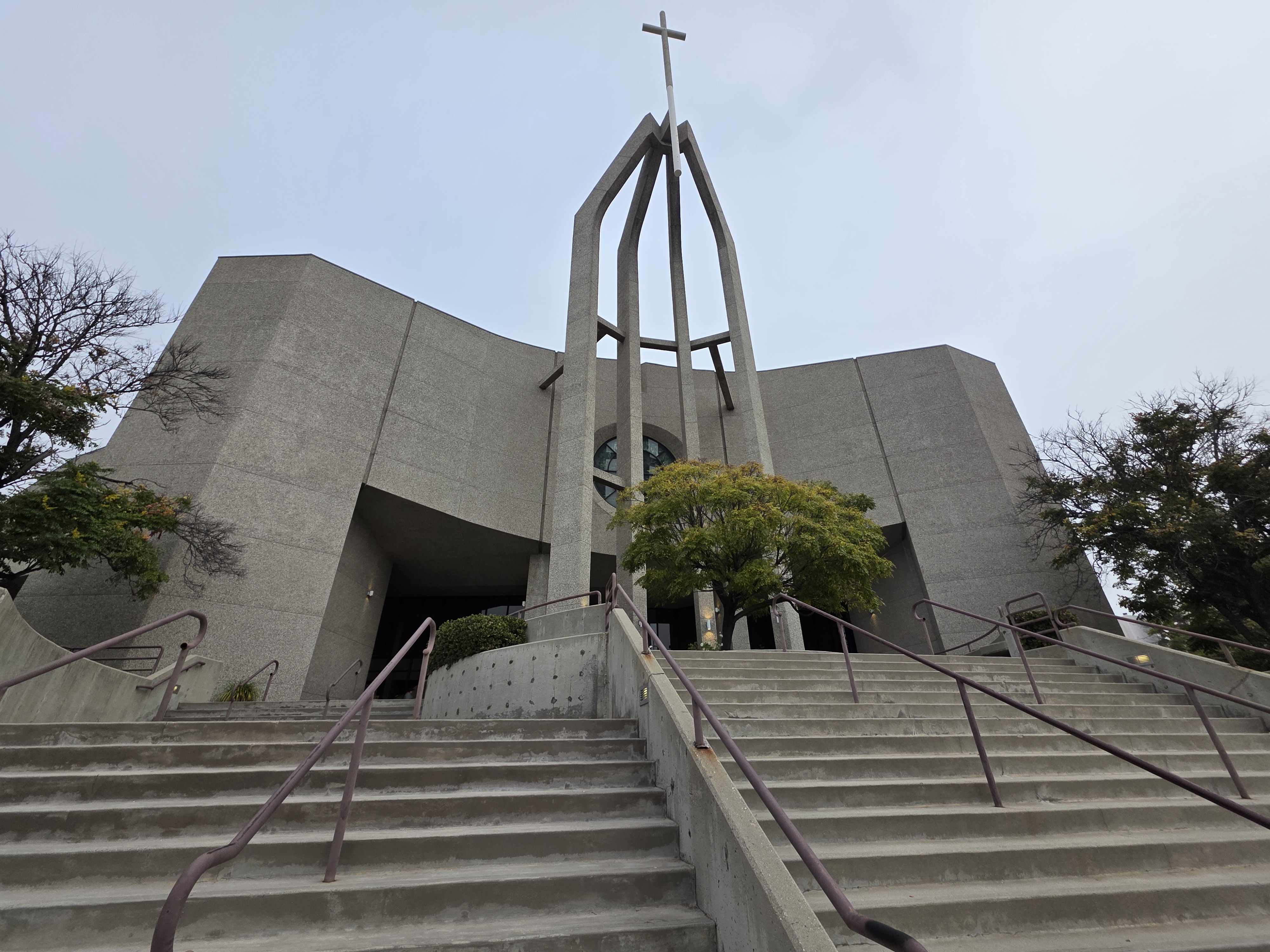
Why prayer requests matter in community
Prayer requests do something quietly powerful: they turn a private need into a shared point of care. That does not mean every detail needs a parade and a brass band. It means a church can say, “You are not carrying this alone.”
When people share prayer needs, the congregation gets a clearer picture of where to show up with compassion, practical help, and steady encouragement. For a helpful outside look at how communities organize support, The United Methodist Church’s prayer resources offer a simple overview of prayer as shared ministry.
How to submit a prayer request
At Mount Hope United Methodist Church, prayer requests can be shared a few different ways, so you can choose the path that feels easiest:
- Online form: Use the church contact page to send a written request if typing feels more organized than talking.
- Email: Send your request directly if you want to keep a record of what you shared.
- Phone: Call if speaking is simpler or if the situation feels urgent and you want to reach a person quickly.
If you are unsure which option fits best, start with the contact page. It is the church equivalent of the front door being unlocked and the coffee already brewing.
What to include in your request
Think of a prayer request like a good note to a trusted friend: enough detail to be helpful, not so much that it turns into a novel with footnotes.
- Who the request is for
- What kind of support is needed
- Whether the need is urgent
- Any names or relationships that matter for context
- Whether the request should be shared publicly or kept private
Short is fine. Clear is better. You do not need to write the Great American Prayer Memoir.
Privacy and discretion
Privacy matters. If you want a request handled discreetly, say so plainly. Church staff and ministry leaders can then use the right level of care when sharing or following up.
For visitors who want a broader sense of responsible care and confidentiality, CDC guidance on clear, respectful communication is a useful reminder that sensitive information should be handled thoughtfully.
In practice, that usually means the request is treated with care, shared only with the people who need to know, and handled with respect for the person who asked for prayer.
How prayer connects to pastoral care
Prayer is one of the ways pastoral care becomes visible. It connects a person’s need with a community that is ready to listen, encourage, and stay present. Sometimes prayer is the first step before a conversation, a visit, or another kind of support.
That broader care can include clergy, staff, and other trusted leaders working together so a request does not just sit in a queue like a ticket number in a very patient system. It becomes part of the church’s ministry of care.
If you want a theological overview of prayer in Christian life, Britannica’s prayer entry gives a concise background on how prayer functions across traditions.
Reach out with questions
If you are not sure how to word a request, or if you want help deciding the best way to share it, the church is ready to help. Visit the contact page for the clearest next step.
And if you just need to get your bearings first, you can always return to the home page and start there. No spiritual gymnastics required.
Tip: When in doubt, send the request anyway. A simple request is often enough to open the door to support.