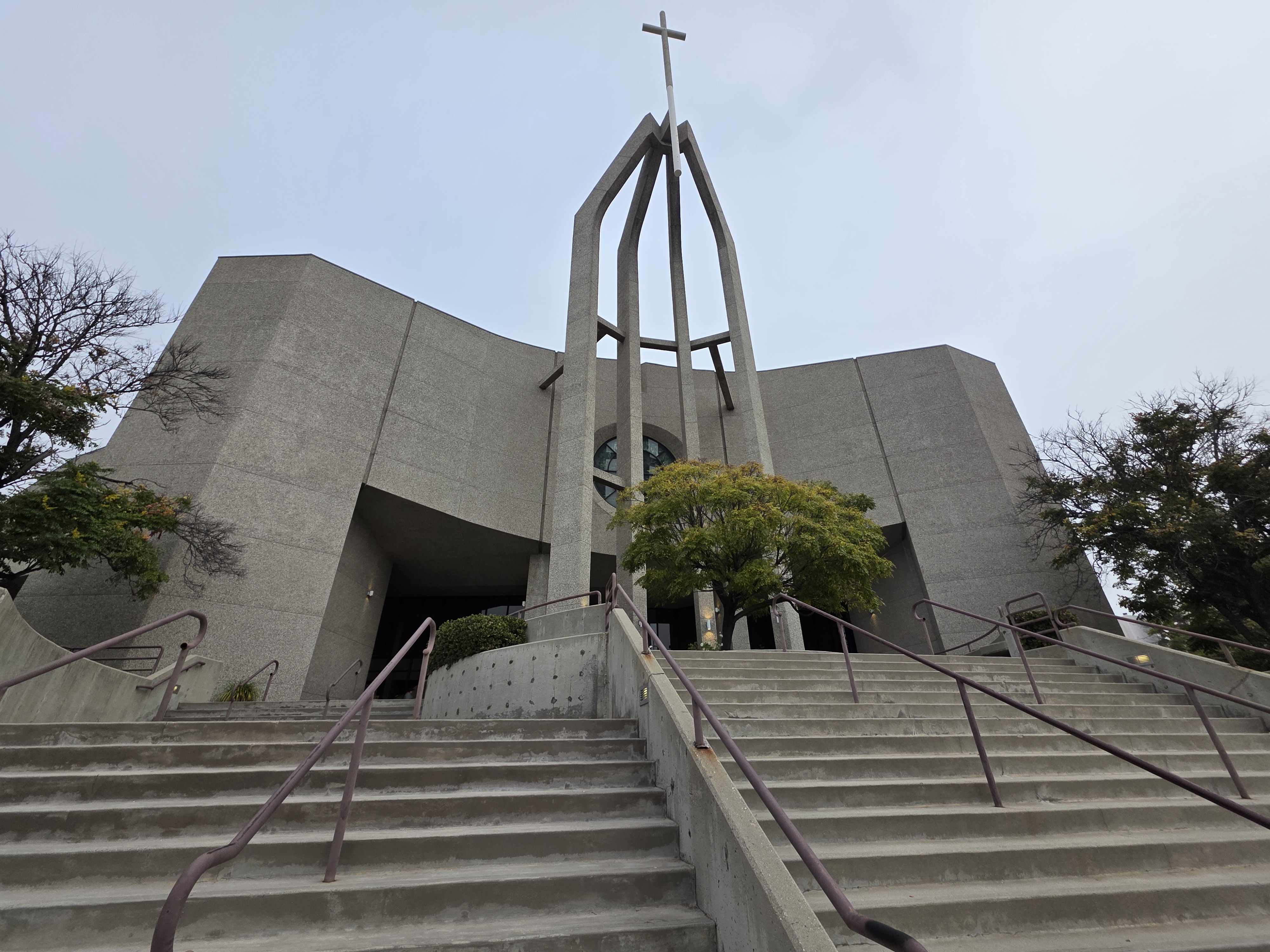
Pastoral Care
What to Do When You Need Pastoral Care
If you are wondering whether your need is “big enough” to mention, it probably already is. Reaching out is the point, not having the perfect wording.
Most people do not wake up and think, “Today is the day I will figure out pastoral care.” It usually shows up after something hard, surprising, or simply exhausting. Maybe there has been a loss in the family. Maybe a diagnosis changed the rhythm of everyday life. Maybe you are moving, changing jobs, caring for someone else, or carrying a worry that keeps returning when the house gets quiet.
Mount Hope United Methodist Church wants that first step to feel clear. This guide gives you a plain version of the process: why people reach out, how to contact staff, what tends to happen next, and how family members can be part of the conversation.
For a broader church perspective on care, the United Methodist Church describes pastoral care and counsel as part of the work of clergy, and it also emphasizes that care is something the whole church shares, not something one person carries alone. If you want to read those church-wide references, here are two helpful starting points: the Book of Discipline section on pastoral care and counsel and the Book of Resolutions on faithful care for people who are suffering.

What “pastoral care” means in plain language
Here is the short version: pastoral care is support from church leadership when life feels uneven. It can include prayer, a conversation, a visit, encouragement, help thinking through next steps, or a check-in after a hard season. The word sounds formal, but the practice is usually very ordinary. A person listens. A person prays. A person follows up. That is the whole idea, and honestly that is enough.
If you prefer a working definition, think of pastoral care as “church care that shows up when people need steadiness.” It is not a test of spiritual maturity. It is not a performance. It is a way of saying, “You do not have to carry this alone.”
For people who like to compare notes with trusted health resources, the National Institute on Aging’s grief guide is a clear overview of how grief can affect people after a loss, and the National Institute of Mental Health’s mental-health guidance is a good plain-language companion when stress or sadness starts to spill into daily life.
Common reasons people reach out
You do not need a dramatic reason to ask for pastoral care. In fact, a lot of requests are the kind that slowly stack up until they are too heavy to ignore. That is normal. The church is not waiting for a perfectly neat story.
Grief and loss
Death changes the shape of a day in ways that are hard to explain. A pastor can help with prayer, a conversation, a visit, or simply making space for the fact that loss is real.
Illness or health issues
Health changes can be frightening, tiring, and private all at once. Pastoral care can support the person who is ill and the people helping them through appointments, recovery, or long waiting periods.
Life transitions
Moving, changing jobs, retirement, a new baby, a new school year, caregiving, or a shift in family life can all create the same feeling: “I need help keeping my footing.”
There are other reasons too. Sometimes people reach out after conflict, after a season of loneliness, after a frightening diagnosis, or after a quiet stretch where faith feels harder than usual. Some people know exactly what they want to say. Others can only say, “I think I need help.” That is enough.
And if your need is also emotional or mental-health related, that does not make it less appropriate to speak with church leadership. A caring church conversation can sit alongside practical health support. If you need a crisis-oriented backup resource, the SAMHSA helpline page is available for immediate emotional distress and urgent help-seeking.
| What is happening | What to ask for | Why this helps |
|---|---|---|
| A recent loss | Prayer, a check-in, or a visit | Grief is easier to carry with steady support |
| Health concerns | Conversation and prayer for the household | Illness affects more than one person |
| A major transition | Encouragement and next-step thinking | Change is easier when someone helps map the next step |
| You are not sure what you need | Start with “Can someone talk with me?” | You do not need a polished request to be taken seriously |
How to contact staff
The best contact method is the one you will actually use. If that sounds obvious, good. Obvious is helpful when people are overwhelmed.
Mount Hope’s office contact details are straightforward:
- Phone: (517) 482-1549
- Email: [email protected]
- Contact page: Mount Hope Contact Us
- Staff page: Meet the staff who can help
If you are calling or writing for someone else, keep the note simple: who needs care, what kind of support seems appropriate, and whether the person prefers phone, email, or an in-person conversation. If you want family included, say so. If privacy matters, say that too. Staff do not need a novel. They need enough information to respond well.
You can also start from the home page if you want to look around first, but the contact page is the cleanest route when the actual goal is to get help.
A simple script if you are not sure what to say
Sometimes the hardest part is the first sentence. If that is where you are stuck, borrow one of these. They are plain on purpose.
- “I think I need pastoral care, and I am not sure what form it should take.”
- “We have had a loss in our family, and I would appreciate prayer and a conversation.”
- “My family is in a transition, and I could use a check-in.”
- “I am calling on behalf of someone else who needs support.”
- “I do not know exactly what I need, but I know I should reach out.”
That last line may be the most useful one. People often wait because they think they need to translate their pain into tidy church language first. They do not. A sentence that is honest is better than a sentence that is polished.
What you can expect after you reach out
Every situation is a little different, but the process is usually simple. First, someone receives your message. Then they decide who should respond and what kind of support fits the need. After that, there may be a phone call, a visit, a prayer request, or a plan for follow-up. That is the basic shape of it.
- Your message is received. The church office or staff member takes in the note and helps route it appropriately.
- A few clarifying questions may follow. Staff may ask who is involved, what kind of support is needed, and whether there are timing concerns.
- You may be offered prayer, conversation, or a visit. The support can be practical, spiritual, or both.
- Follow-up may continue. A single conversation is sometimes enough. Other times, the need is ongoing and a second check-in makes sense.
What should you not expect? A test. A lecture. A demand that you explain your whole life story in one breath. A pastor or staff member is there to listen and respond, not to grade your request. If something needs to be handed off to another ministry area or a different kind of support, they can help with that too.
In the wider church, care is meant to be shared. The United Methodist Church’s overview of pastoral care and chaplaincy is a reminder that care often stretches beyond one room or one conversation, and that support can reach into hospitals, homes, and ordinary daily life.
Prayer support and follow-up options
Prayer is one of the main ways churches care for people, but it is not the only way. A good pastoral response can include prayer and still leave room for practical next steps. In other words, prayer is not the end of the conversation; sometimes it is the doorway.
Individual prayer
You can ask for a pastor or staff member to pray with you, pray for you, or include a concern in a prayer list if that is appropriate.
Ongoing check-ins
Some needs are immediate, while others unfold over weeks or months. A follow-up conversation can help you stay connected instead of disappearing into the next busy week.
Family prayer
If the whole household is affected, it can help to invite family members into the conversation so everyone hears the same care and support.
If you are dealing with a grief-heavy or stress-heavy season, it can also help to pair church support with a reliable public resource. The NIA’s guide on grief and mourning and NIMH’s page on coping with traumatic events are both good examples of plain-language guidance that can sit alongside pastoral care.
A useful way to think about follow-up is this: the first conversation is usually about getting the door open. The later conversations are about what helps you keep walking. Sometimes that means a visit. Sometimes it means prayer after worship. Sometimes it means a phone call in a week. The shape of the support can change as the need changes.
How to include family members
When one person is hurting, the whole household usually feels it. That is why pastoral care often works better when the family has a chance to be part of the process, even if only in a small way.
Here are a few practical ways to include family members without making the conversation more complicated than it needs to be:
- Talk together before reaching out. Ask what kind of support would feel helpful: prayer, a visit, information, or just a chance to talk.
- Decide who should be included. Sometimes one person wants to contact the church, and sometimes it helps to include a spouse, parent, adult child, or caregiver.
- Tell staff what the family wants. If someone prefers privacy, say that. If everyone should be included, say that too.
- Keep the request practical. A simple explanation of the situation is enough. The goal is support, not a perfectly organized family meeting.
Families often worry that asking for help will make them sound needy. It will not. It will make them sound like people who understand that support is part of Christian community. That is a healthier read on things, and a more accurate one.
Questions people often ask quietly
Sometimes the real question is not “How do I request pastoral care?” It is, “What if my situation feels awkward?” or “What if I do not know the right church words?” or “What if I am asking too late?”
Short answers: you can still reach out, you can still be honest, and it is almost never too late to ask for care. A lot of pastoral ministry starts with an ordinary sentence and a little courage.
“Do I need a serious emergency?”
No. A hard week, a long worry, or a transition that feels bigger than you expected is enough reason to ask.
“What if I only want prayer?”
That is a valid request. Start there and say so plainly.
“What if I want more than prayer?”
Say that too. Staff can help think through a conversation, a visit, or follow-up support.
If you are still unsure, the most useful next question is simple: Who should I contact first? At Mount Hope, the answer is usually the church office or the staff page, because both point you toward the right person without making you guess.
How to prepare before you reach out
You do not need to prepare a polished report. Still, it can help to gather a few simple details before you call or send an email. That way, when someone responds, you can stay focused on the actual need instead of trying to remember every detail in the moment.
Write down the basics
Jot down the name of the person who needs care, the best phone number or email, and a short sentence about what is going on. One sentence is enough.
Decide what kind of support you want
Do you want prayer only, a visit, a check-in call, help talking through a next step, or help connecting with family? Knowing that in advance makes the conversation smoother.
Think about timing
If there is a schedule issue, say so. If the family is traveling, if someone is in the hospital, or if a follow-up call should happen at a certain time, include that in the first note.
It can also help to think about privacy ahead of time. Some people want the request kept very small and private. Others want prayer shared more broadly. Neither choice is wrong. The helpful thing is to say what you prefer so staff can respect it.
If you are reaching out because of a death, serious diagnosis, move, divorce, new caregiving role, or another major shift, it can help to ask a family member to sit with you while you write the message. Not because you cannot do it alone, but because hard things are often easier to name when another calm human is nearby. That is true in church life and everywhere else.
A few people also find it useful to prepare one question for the conversation. It might be, “Can someone pray with us?” or “What follow-up is available?” or “Who should we speak with next?” Having one question ready keeps the exchange from feeling like a blank page.
Start here if you need help today
If you need pastoral care, you do not need to wait for a better day, a stronger sentence, or a more organized life. Start with the contact page, send a short message, or call the office. If you already know the staff member you want to reach, use the staff page and go directly there.
Contact the Church Office View the Staff Page
That is the short version. Reach out, be plain, and let the church help with the next step.