Music Ministry
Three groups, one job: help worship breathe
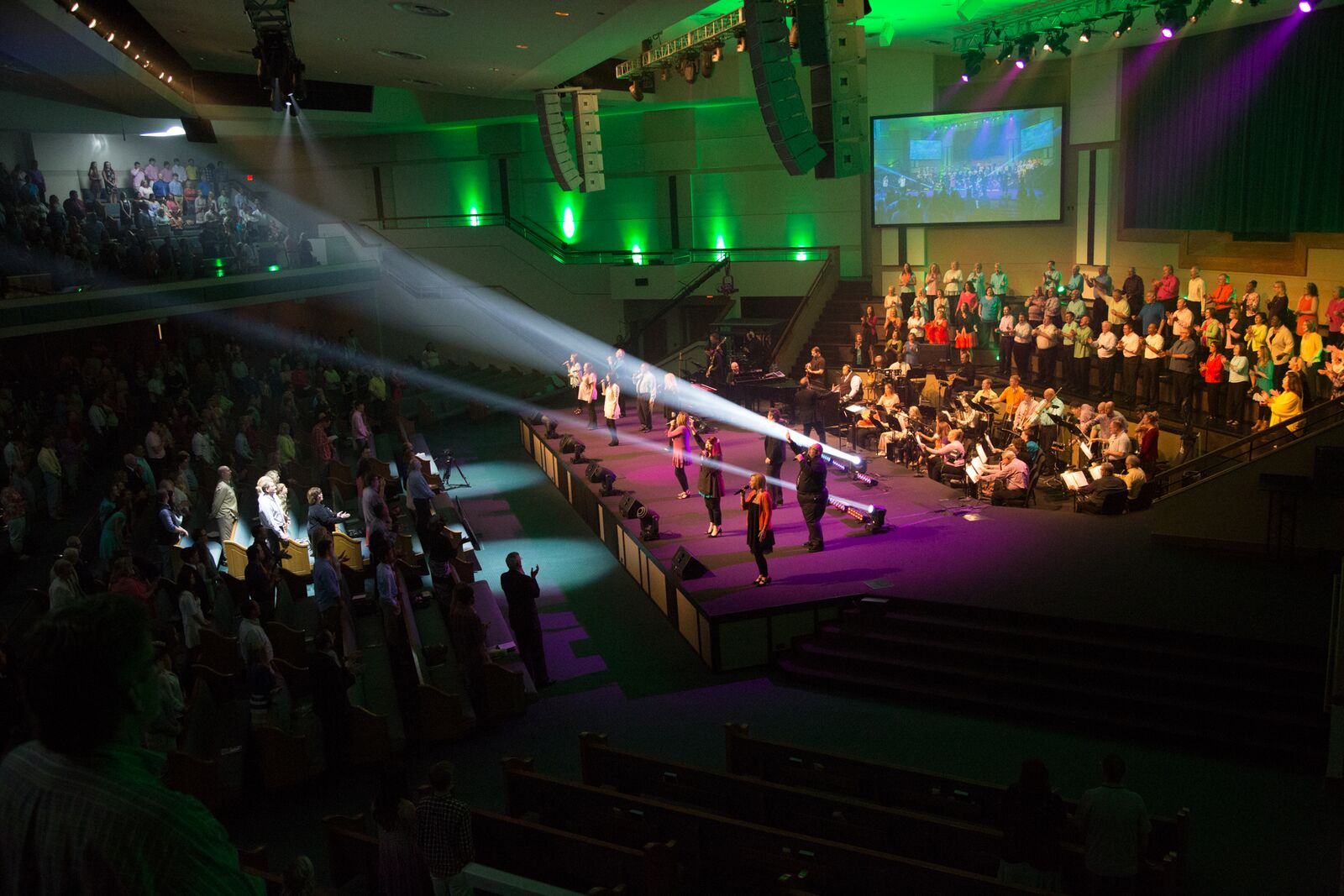
At Mount Hope United Methodist Church, music is not a decorative extra. It is part of the way worship prays, listens, and sings back. A choir can carry a hymn like a well-built bridge, a band can keep a contemporary service moving with steady rhythm, and the whole congregation gets to join in instead of sitting there like a polite audience waiting for a concert to begin.
For a broader look at worship life at the church, start with the home page. If you want background on why singing matters in the United Methodist tradition, the UMC’s music topic page is a helpful place to browse: Music and The United Methodist Church.
Meet the teams
Chancel Choir
The Chancel Choir gives a traditional worship service its choral backbone. Think hymns, anthems, and harmonies that support the congregation without trying to show off. The goal is not to steal the spotlight; it is to help the room sing with more confidence and care.
Worship Band
The Worship Band leads contemporary music with guitars, keys, percussion, and the kind of timing that keeps everyone together. When the rhythm is steady, the congregation can settle in and sing without fighting the songbook of chaos.
Voice of God Choir
The Voice of God Choir brings its own distinct sound to worship and special moments in the life of the church. Whether it is a featured piece, a seasonal service, or an added layer of choral texture, this group helps create the kind of worship moment people remember for the right reasons.
What members do week to week
Music ministry usually involves more than showing up and hoping the right notes appear by magic. Members may rehearse, review music before Sunday, coordinate with the worship leader, and help shape how a service flows from one piece to the next.
- Rehearsal: groups practice on a regular schedule so Sunday does not become a live-action guess.
- Sunday participation: singers and instrumentalists help lead worship, support congregational singing, or provide special music.
- Coordination: music leaders often work with pastors, accompanists, and tech volunteers to keep transitions smooth.
- Seasonal planning: holidays, communion Sundays, and special services may change the plan a little, which is very on brand for church life.
If a ministry team wants a simple way to keep rehearsal dates, song lists, and volunteer reminders in one place, a web app builder can be a practical starting point for sketching that workflow.
How to join or try out
If you are interested in singing or playing, start with a conversation instead of a performance review written by the universe. Many church music teams welcome newcomers who can learn the flow, show up prepared, and work well with the group. In many cases, the first step is simply attending a rehearsal or asking about the current schedule.
For singers
Ask which group fits your voice, your time, and your comfort level. Some people are ready for a regular choir part; others prefer a shorter seasonal commitment or a special service.
For instrumentalists
If you play guitar, keys, percussion, or another instrument, the worship band may be a natural fit. Bring your skills, ask about rehearsal expectations, and listen for how the team works together.
For first-timers
You do not need to arrive perfect, polished, or mysteriously anointed by a spreadsheet. Ask questions, try a rehearsal, and let the music leader explain how the group works.
How the congregation can support music ministry
Not everyone is called to stand in the choir loft or on stage, and that is fine. Music ministry also depends on the people who listen with attention, sing with heart, and encourage the folks doing the work.
- Attend worship and sing along when the service invites it.
- Offer encouragement after worship, especially to new singers or instrumentalists.
- Volunteer for setup, special events, or seasonal services when the music team needs extra hands.
- If the church shares music online, it helps to understand copyright and streaming basics. The UMC’s guide on how to livestream worship legally is a useful reference for that side of the work.
For contemporary song planning, the United Methodist CCLI Top 100 + Beyond Project offers a thoughtful look at song selection from a worship-planning perspective.
Need the contact path?
If you want to ask about choir, band, or special music opportunities, the church office is the fastest place to start. Call (517) 482-1549, email [email protected], or use the Contact Us page and ask to be routed to the music ministry contact.
For a quick way back to the main site overview, visit the home page. If you want more context on how worship services fit together, the UMC discipleship resource on music notes for worship planning is another helpful read.