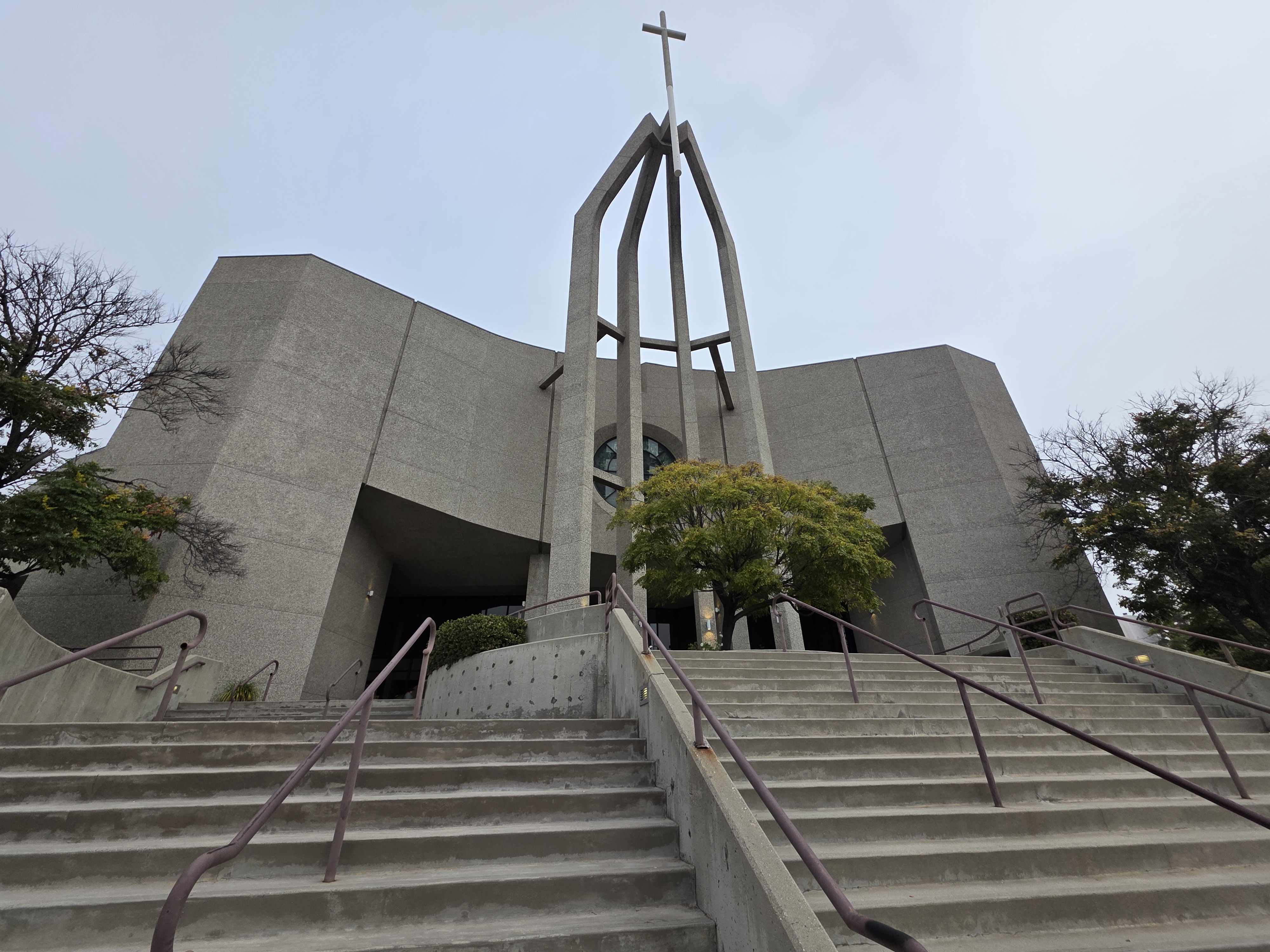
First Visit Guide
Attend a Service: A Step-by-Step Plan for Your First Sunday
Your first Sunday does not need to be improvised. A few calm checks before you leave, a simple plan when you arrive, and a clear follow-up path are usually enough to keep the morning steady.
If you are wondering where to park, what to wear, when to arrive, or how to join in without feeling out of place, you are asking the right questions. John Wesley’s short reminder, “Do all the good you can,” fits a first Sunday well: come prepared, pay attention, and let the rest unfold in order.
A careful first visit matters because uncertainty usually comes from small things, not large ones. A website that points you in the right direction, a lobby that gives you a clear next step, and a worship service that does not demand performance all reduce friction. For a denominational baseline, the United Methodist Church site gives broader context, while the ADA resources page is a practical reminder that access, entrances, and seating matter when people arrive. If you want a general reference for the shape of a worship gathering, the church service overview is a neutral place to start.
By the end of this guide, you will know how to check the website, how to enter the building without guesswork, what a Sunday service usually feels like, where to sit, and how to connect after worship. If you only remember one sentence, keep this one: you are allowed to ask for help at any point.
Quick map: before you come, arrive early, settle into worship, participate at your own pace, and follow up with questions after the service.
Terms to Know Before Sunday
Church language can feel obvious to people who hear it every week and oddly opaque to everyone else. I prefer a short glossary at the start so the morning does not begin with decoding.
| Term | What it means here | Why it helps on your first visit |
|---|---|---|
| Worship service | The main Sunday gathering for prayer, singing, scripture, preaching, and response. | It is the baseline event you are coming to attend. |
| Traditional | A worship style that usually leans toward familiar hymns, prayer, and a more formal rhythm. | Helpful if you want a calm, familiar structure. |
| Contemporary | A worship style that may use more modern music and a less formal pace. | Helpful if you prefer a relaxed style with modern music. |
| Bulletin | A printed guide to the order of worship, readings, songs, and announcements. | It keeps you from guessing what comes next. |
| Greeter | A person near the entrance who helps visitors find their way. | Greeters reduce the risk of wandering in circles. |
| Fellowship | Time spent visiting, talking, and getting to know people after worship. | It is the easiest place to ask follow-up questions. |
1. Before You Come: What to Check on the Website
The best first move is simple: use the website as your pre-visit checklist. Do not try to remember everything from memory. The goal is to remove avoidable uncertainty before you leave the house.
Start with the home page. That is where you can confirm the church identity, find the main paths through the site, and locate the pages that answer the basic visitor questions. If you only have a minute, look for service information, directions, and contact options.
| What to check | Why it matters | What to do next |
|---|---|---|
| Service options | Churches often offer more than one worship style. Knowing the choices helps you plan with less friction. | Pick the service that sounds easiest for your first visit. |
| Directions | A clear arrival route lowers the risk of showing up rushed or uncertain. | Enter the address into your map app before Sunday. |
| What to wear | Dress expectations are usually more relaxed than people fear, but it is still useful to have a baseline. | Choose tidy, comfortable clothing and stop there. |
| Family pages | Families need to know where children and youth fit into the morning. | Review the children and youth page before you arrive. |
| Contact path | If something changes, you want a direct way to ask a question. | Keep the contact page open in your browser. |
What to wear: choose clothing that lets you sit, stand, and walk comfortably. There is no need for a costume of certainty. Sunday is not a uniform inspection.
What to bring: a phone with your map app, a water bottle if you like to keep one nearby, and any family items you know you will need. If you use a bulletin or note app to track questions, bring that too.
If you are coming with children, the Children & Youth page is worth a look before the day arrives. Knowing where young people are welcomed is one of the easiest ways to keep the whole morning calm.
2. Arrive Early: What to Do When You Park
Arriving early is not a sign of anxiety; it is good operational discipline. A few extra minutes give you room to park, find the entrance, and settle before the service starts.
Use this sequence:
- Park with the building in view. If you can see the entrance, you are already ahead of the game.
- Look for accessible spaces and clear paths. If someone in your household needs easier access, use the accessibility information available on the site and keep the route short.
- Slow down at the door. Greeters and members are there to help; you do not need to look like you know the layout already.
- Find the lobby or welcome area first. That is usually the safest place to pause, orient yourself, and ask where you should go next.
- Identify the sanctuary, restrooms, and children’s spaces. Those are the three points that matter most before worship begins.

The welcome area is the right place to pause, ask one question, and let someone guide the next step.
Accessibility should never be a puzzle. If you need a wider path, easier seating, or help finding the correct door, use the ADA resources as a general guide and then ask the church directly about the practical layout on Sunday. A clear entrance, a clear hallway, and a clear greeting are basic respect, not extras.
Keep this standard in mind: you are not late to the experience if you stop for help. A first visit is allowed to include a few minutes of orientation. That is part of the plan.
3. What to Expect in Worship: A Simple Overview
A first Sunday is easier when you understand the normal shape of the service. The exact order can vary, but the pattern is usually familiar: welcome, song, prayer, scripture, message, response, and dismissal. You do not need to predict every detail to participate well.
Here is the rough flow many first-time visitors find helpful:
| Part of worship | What usually happens | How a first-time visitor can respond |
|---|---|---|
| Welcome | Someone opens the service, makes announcements, and helps people settle in. | Listen, relax, and follow the bulletin if one is provided. |
| Singing | The congregation sings together, either from hymnals, screens, or both. | Sing if you want to. If not, listen and learn the rhythm. |
| Prayer | The church prays for needs, guidance, and worship. | Bow your head, stay still, or pray quietly in your own words. |
| Scripture and message | Someone reads from the Bible and offers a sermon or reflection. | Pay attention, take a note if you want, and let the message unfold. |
| Response | The congregation may sing again, pray, or be invited to respond in another way. | Use the time to reflect rather than worry about getting every move right. |
| Closing | The service ends with a blessing, announcement, or invitation. | Stay seated until the service is clearly finished, then leave at your pace. |
Mount Hope offers both traditional and contemporary worship options. In practical terms, that means you may find one service that leans on familiar hymn structures and another that uses a more modern musical style. Neither one is a trap. Pick the service that will help you listen clearly on your first visit.
If you want a neutral overview of how a church service is generally organized, the broad church service reference is useful as a vocabulary guide. It is not a replacement for the actual Sunday service, but it can help you recognize the shape of what you are seeing.
Music and participation: you may be invited to sing, stand, bow your head, pass an offering plate, or simply listen. If any part of the service feels unfamiliar, you can observe first and participate later. No one should require a rookie to run the whole field in the first quarter.
4. Where to Sit and How to Participate
Where you sit can make the morning easier or harder. For a first Sunday, the safest rule is simple: choose a seat that gives you a clear view, enough space, and a direct path out if you need one.
These habits keep the process calm:
- Choose open seating. If there are many choices, pick a spot that feels comfortable rather than one that looks important.
- Sit near the aisle if that helps. Easy movement matters when you have children, mobility needs, or just want a shorter walk.
- Use the bulletin as your map. It usually tells you what comes next, which keeps the service from becoming a guessing contest.
- Follow along with hymnals or screens as needed. You do not need to memorize the format. Read what is available and participate at your own pace.
- Keep your phone quiet. Silence it early and avoid unnecessary interruptions once worship begins.
If people stand, sit, or kneel and you are unsure what to do, do not panic. You can wait one cycle, observe what others do, and join in only when you are ready. A church service should be hospitable enough to leave room for learning.
Some visitors worry that they will look obvious if they do not know the right responses. That concern is common, and it is also manageable. Watch once, follow once, and then decide what you are comfortable doing. Most churches would rather see a thoughtful visitor than a nervous performer.
Keep one useful sentence ready: “I’m new here, and I may need direction.” It solves more problems than a dozen guesses.
5. After Worship: How to Meet People and Ask Questions
The service is not the only part of the morning. What happens afterward often matters just as much, because that is when names, faces, and next steps begin to connect.
A simple after-service plan looks like this:
- Stay a few minutes. If you are able, do not rush to the car immediately. Fellowship usually starts in the informal minutes after worship.
- Look for a staff member or greeter. If you still have a question, ask it while the answer is nearby.
- Introduce yourself once. A short “I’m visiting today” is enough to begin a conversation.
- Ask one practical follow-up question. For example: “Where do classes meet?” or “What should families know next?”
- Take a note before you leave. If someone gives you a name, page, or room number, write it down while it is fresh.
Do not feel pressure to become a regular in one handshake. The right measure is whether you found a warm response and a clear next step. If you did, the first visit did its job.
Classes and groups are often how a visitor moves from attendance to actual connection. If you learn about a Bible study, service group, or newcomer conversation, treat it as useful follow-up, not an obligation. The point is to build a path, not a burden.
For a wider sense of the church family you are stepping into, the United Methodist Church overview can help you understand the larger tradition without needing to sit through a long explanation on Sunday morning. It is background, not a substitute for a live conversation.
What to ask after worship: Where do newcomers go next? Which class is open to visitors? Who should families contact if they want help? Which page has the best follow-up information? One or two good questions are usually enough.
6. How to Follow Up: Contact, Classes, Kids, and Youth Info
A first Sunday is successful when it creates a path forward. That may mean a contact form, a class, a family page, or simply one trusted person who can answer the next question.
Use this follow-up sequence:
- Save the contact page. If you think of a question later, you should not have to hunt for the answer.
- Review class and group options. Learning happens faster when the next step is visible.
- Check the children and youth page. Families usually want to know where their children fit before the next visit.
- Decide what kind of connection you want. Some visitors want more information, some want a class, and some only want to come back once more before deciding anything else.
If you need to ask a question directly, use the Contact Us page. If your household includes kids or students, the Children & Youth page is the cleanest next stop. Those two pages usually tell you more in less time than wandering through every menu item on the site.
For church teams that want to keep visitor follow-up organized, a neutral planning resource such as plan your first AI pilot can help them think through a simple workflow for notes, reminders, and task handoffs. That kind of tool is for staff planning, not for replacing conversation, which remains the real point of hospitality.
Practical rule: if a follow-up step is easy to find, visitors are more likely to take it. If it is buried, people usually do nothing. Clear pages win over clever assumptions.
What a Good First Sunday Looks Like
A good first Sunday is not flawless. It is clear enough to follow, warm enough to encourage another visit, and steady enough to answer the basic question: Can I find my place here?
Keep these five points in front of you:
- Check the website before you leave.
- Arrive early enough to park and enter calmly.
- Expect a worship service with a familiar shape, even if the style is new to you.
- Sit where you can see, listen, and move comfortably.
- Stay long enough to ask one useful question after worship.
Questions are welcome. A first-time visitor should not have to guess their way through a Sunday morning. If something is unclear, ask before the service, during the service, or after it. There is no award for silent confusion.
When you are ready, start with the home page, then use the Contact Us page if you want to ask a direct question before Sunday. If children or youth are part of your plan, review Children & Youth as well. The path does not need to be complicated to be dependable.
Final reminder: show up, settle in, listen carefully, and let the morning do its work. The rest is conversation.