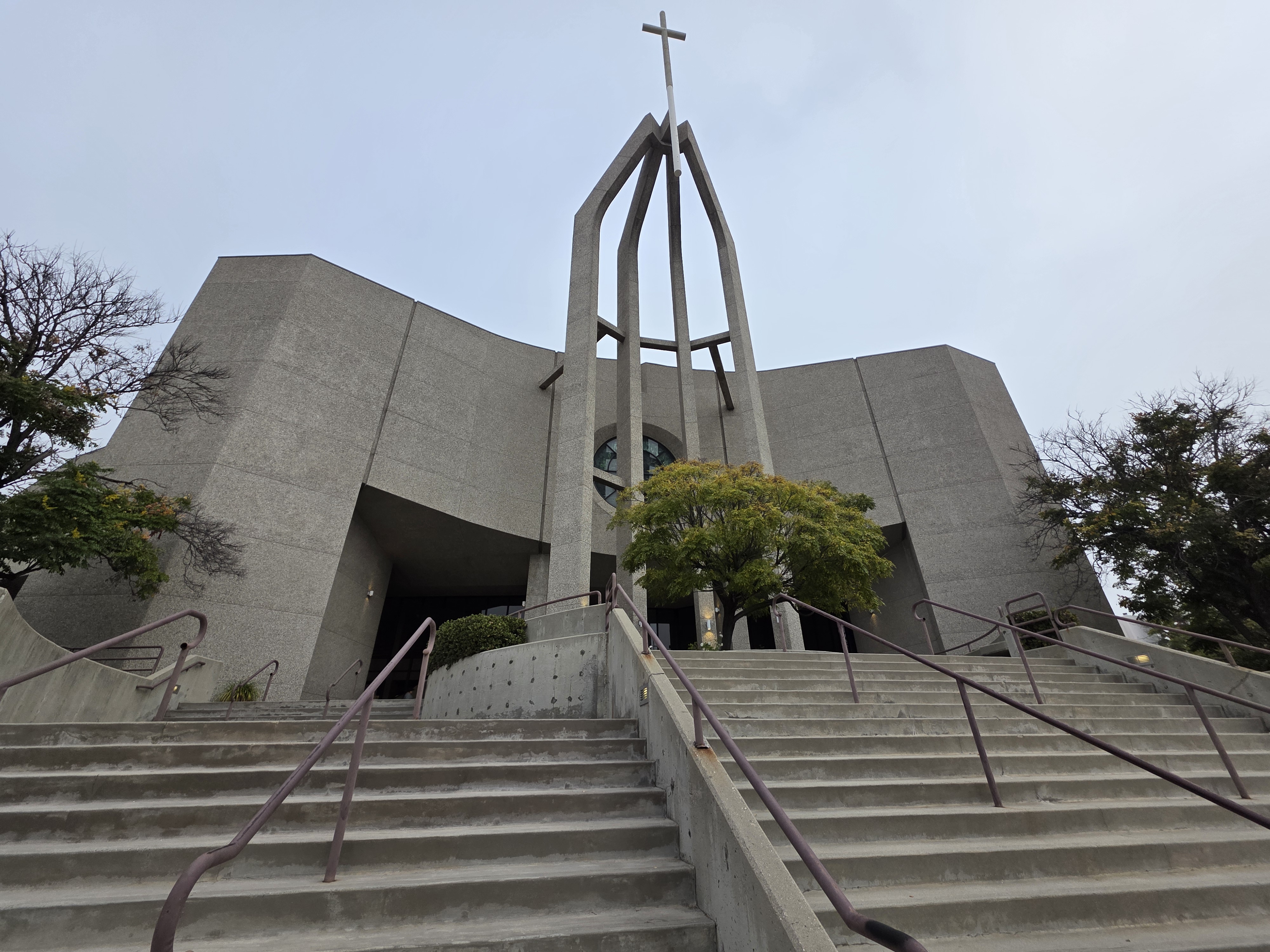
Faith is not only for Sundays or special moments. In everyday life, it can become a steady way of noticing what matters, treating people with care, and choosing a little more patience when the day feels crowded. Practical faith is simply faith that shows up in ordinary places: the kitchen table, the school drop-off line, the office, the grocery store, and the quiet moments when nobody else is looking.
If you are looking for a simple place to begin, the question is not whether you have everything figured out. The question is what small practice helps you live with more purpose today. For some readers, that means prayer before the house wakes up. For others, it means taking a breath before responding to a difficult email. If you want a brief guide to the church’s perspective, you can read more on what we believe and see how faith connects to daily life.
Start with one small rhythm
Faith grows best when it has a place in your routine. A few small rhythms can make it easier to remember your values when the day gets busy:
- Begin the morning with reflection. A short prayer, a scripture reading, or even a quiet moment of gratitude can help you set your direction before the rest of the day starts.
- Pause before meals. Family meals can become a gentle time to share one thing each person is thankful for or one way they noticed kindness that day.
- End the day with a brief check-in. Ask yourself where you felt peace, where you felt stretched, and where you might want a fresh start tomorrow.
None of these habits need to be long to be meaningful. A practice that is short and honest is often more sustainable than one that sounds impressive and never gets repeated. If your schedule is full, start with two minutes. That counts.
Let faith shape the way you treat people
Everyday faith becomes visible in the way we speak, listen, and respond. It may look like sending a thoughtful text instead of assuming someone knows you care. It may look like listening all the way through before offering advice. It may even look like staying calm when your first reaction would not have been especially helpful. We all have those moments.
At Mount Hope, those everyday choices are part of our shared life together. If you are thinking about the values that guide those choices, our core values page is a helpful next step. Faith is not only something we say; it is something we practice in how we show up for one another.
Make room for faith in family life
Families do not need perfect routines to live faithfully. They need repeatable ones. A brief conversation at dinner, a moment of prayer before a hard week, or a shared act of service can help faith feel like part of the home rather than something stored away for later.
Here is one simple example: a parent and child volunteer together at a meal ministry, then talk afterward about who they met and what they noticed. That turns service into a conversation, and conversation into memory. If you are looking for a place to ask questions or find support for your next step, contact us and let us know what would be most helpful.

Faith in action often starts in the community
Community involvement is one of the clearest ways to live out faith. Volunteer work, a meal shared with neighbors, or time spent helping in a church ministry can turn belief into service. It also reminds us that faith is not a private achievement. It is strengthened by being practiced with others.
If you are curious about what that can look like in the wider church world, The United Methodist Church’s overview of what we believe offers a broader context. You may also find encouragement in the way local congregations around the country organize service, fellowship, and care through everyday ministry.
Stories that make faith feel practical
Sometimes the best encouragement comes from ordinary stories. One person may keep a gratitude journal and notice that stressful days become easier to navigate when they end with a short prayer. Another may begin volunteering at a food pantry and realize that serving others also deepens their own sense of purpose. A family may start asking one simple question at dinner: “Where did you see kindness today?” Over time, that question changes the tone of the whole meal.
These are not dramatic stories, and that is part of their strength. Faith is often built in the small, repeatable moments that shape a life quietly and well. If you want a broader reminder that small acts can matter, the Britannica overview of Christianity offers helpful background on how Christian practice has long connected belief with daily living.
Share what you are learning
Faith becomes easier to live when we talk about it honestly. You do not need a polished story. You only need a real one. Share a prayer that helped you through a hard week, a service project that changed your outlook, or a moment when someone’s kindness reminded you what matters.
Journaling can help, too. A few lines at the end of the day give you a place to notice patterns: what lifted you, what challenged you, and where you saw grace. If your church uses events, small groups, or social media to stay connected, those can be good places to encourage one another without trying to have all the answers.
For readers who want to connect with the church directly, our contact page is the best place to start. Reach out with questions, prayer needs, or a simple note about where you are on the journey. We are glad to hear from you.
Take one next step this week
Practical faith does not require a perfect schedule or a dramatic life change. It asks for one next step: a morning prayer, a kinder response, a shared meal, a volunteer shift, or a conversation that opens the door a little wider. Over time, those steps build a life that feels more grounded and more connected to others.
If you have been waiting for the right moment, this is a good one to begin. Choose one practice, keep it simple, and let it grow from there. Faith has a way of becoming clearer when it is lived, not just discussed.