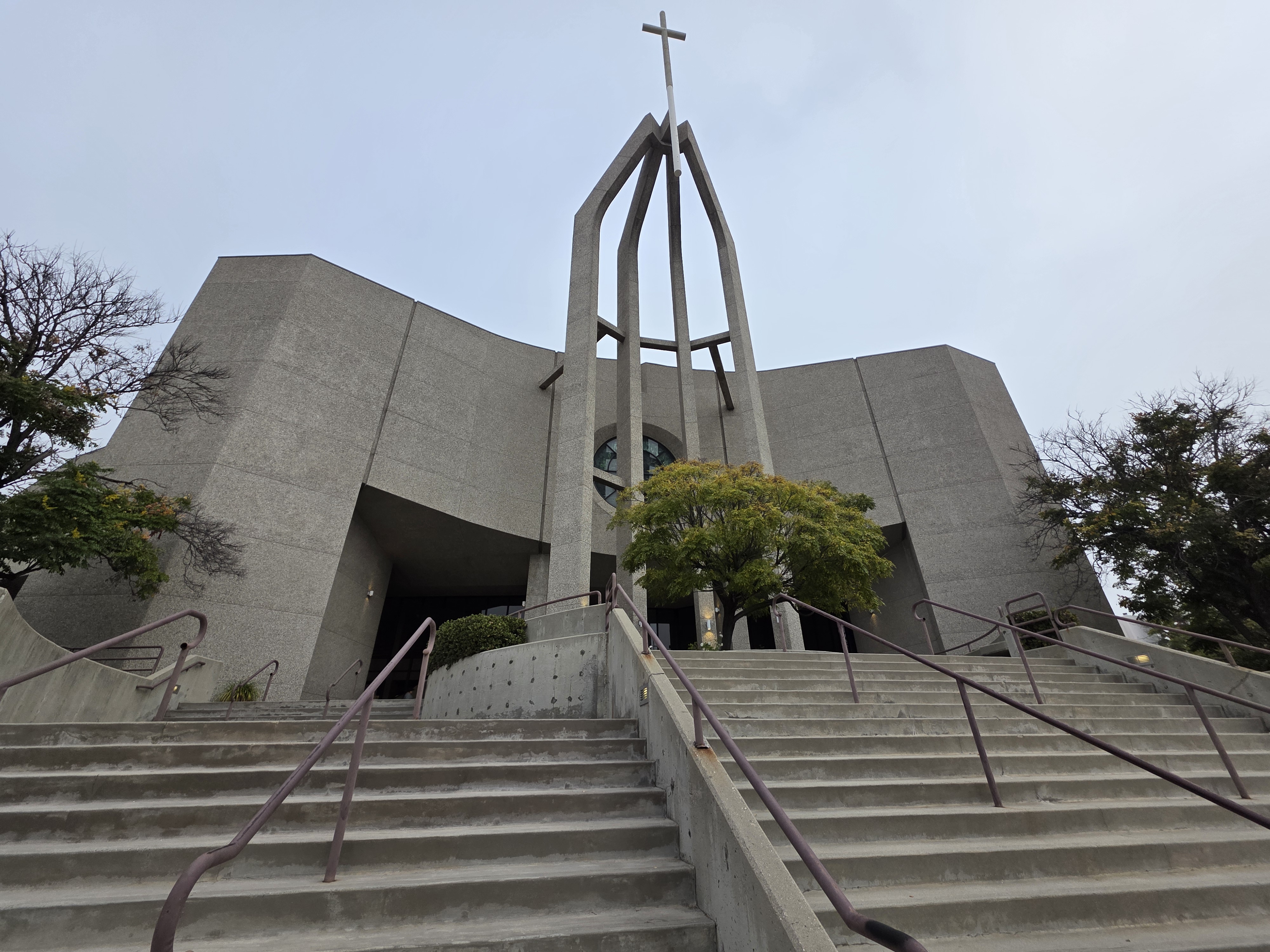
Before a guest hears a sermon, they have already had a first impression. Sometimes it happens in the parking lot. Sometimes it happens when the website loads like it’s still wearing pajamas. In 2026, church hospitality has two front doors: the one made of glass and the one made of pixels.
That is why first-time guest welcome matters so much now. People usually check a church online before they show up in person, and they are looking for the same things they would want anywhere else: clarity, kindness, and a hint that they will not need a secret decoder ring to find the restroom. Mount Hope can meet that moment well when its welcome is intentional from the homepage to the pew.

Why hospitality matters now
Hospitality is not a decorative extra. It is part of how churches reflect grace. The United Methodist Church describes welcoming as more than being polite; it is about making room for people, inviting belonging, and practicing radical hospitality that notices who is present and who still feels on the edge. That kind of welcome is quiet, generous, and surprisingly powerful.
The online piece matters too. A visitor may spend five minutes on a website before they decide whether to visit on Sunday. If the site answers the basic questions clearly, it removes friction. If it hides the basics, the guest starts doing mental gymnastics. Nobody wants to solve a scavenger hunt before breakfast.
For a helpful reminder of how digital expectations shape real-world trust, see Nielsen Norman Group’s research on first impressions and the UMC’s guidance on welcoming.
What United Methodist guidance says about radical welcome
United Methodist teaching on welcome is refreshingly practical. The point is not to create a polished club with a velvet rope. It is to practice belonging so newcomers can actually breathe. That means greeting people warmly, making room for questions, and helping them understand what to expect without assuming they already know the script.
UMC resources also remind churches that invitation is strongest when it is specific. A vague “come sometime” is nice, but a clear “here is what Sunday morning looks like” is more useful. If a church can explain worship times, where to park, what children’s spaces are available, and how to contact staff, it is already practicing welcome.
For another useful source on practical guest care, the UMC’s tips for helping church guests feel welcome are worth a look, along with the dos and don’ts of invitation and welcoming.
Three visitor touchpoints that shape the experience
1. The website
The website is the first handshake. It should answer the questions people are already asking: Where do I go? What time is worship? What should I wear? Is there a place for my kids? Who can I contact if I have a question?
Mount Hope’s most helpful web pages should do the boring magic well. Clear navigation, visible service information, and an easy path to Contact Us all lower the temperature for a first visit. If someone is looking for the church identity or mission, links to Who We Are and Our Mission and Vision help them connect the dots before they ever arrive.
2. Parking and entry
When a guest arrives, the experience should feel obvious, not like a puzzle box. A visible entrance, clear signage, and one or two friendly greeters are often enough. A smile plus a simple “Good morning, we’re glad you’re here” can do more work than a five-minute speech about how friendly everybody is. The speech is nice. The smile is better.
It also helps when someone can point visitors to restrooms, the sanctuary, children’s spaces, and coffee. Guests should not have to practice a treasure hunt before worship. If they need help, it should be easy to ask for it without embarrassment.
3. Worship itself
The service should be clear enough that a newcomer can follow along without feeling lost in the margins. Spoken cues help. So do printed orders of worship, legible screens, and short explanations when something unusual happens. If the congregation stands, sits, or sings at a moment that might surprise newcomers, a gentle cue keeps everyone on the same page.
Churches often assume newcomers want to be noticed. Usually they want to be helped, not highlighted. That distinction matters.
How to welcome newcomers without making them feel singled out
There is a fine line between warm and spotlighted. Nobody wants the visitor equivalent of being dragged onto a stage and asked to say a few words. The goal is to make people feel seen without making them feel inspected.
- Greet people naturally, not like a customs officer with a clipboard.
- Offer help with directions, seating, or children’s check-in without demanding a personal biography.
- Let first-time guests choose how much they want to share.
- Make every newcomer-friendly cue available to everyone, so no one feels singled out.
A church can also invite connection by creating easy, low-pressure pathways. A guest card, a contact page, a casual coffee time after worship, or a simple “let us know if we can help” message all let people move at a human pace. The best welcome feels like an open door, not a trapdoor.
Simple follow-up practices that help guests return
Follow-up is where hospitality keeps going after Sunday morning has cooled off. A warm thank-you note or email within a day or two can remind guests that their visit mattered. The note does not need to be dramatic. It should be sincere, brief, and easy to read. No fireworks required.
Social media and newsletters can also help visitors stay connected without pressure. The point is not to flood inboxes; it is to give people a way to learn a little more about the church at their own pace. A clear next step might be checking the website again, meeting a staff member, or returning for another service.
If you want a broader leadership perspective on welcoming new people, the Lewis Center’s 50 Ways to Welcome New People is a useful resource.
A Mount Hope-friendly checklist for a warm, clear Sunday experience
Here is a simple checklist Mount Hope members can use to keep hospitality steady and practical:
| Area | What to check |
|---|---|
| Website | Service times, address, contact details, and newcomer info are easy to find. |
| Parking and entry | Signs are visible, doors are clear, and greeters are in place before guests arrive. |
| Greeting | Greeters offer warm, brief, natural help without putting anyone on the spot. |
| Worship cues | Service flow is explained clearly so newcomers can participate without guessing. |
| Children and families | Directions and next steps are easy to understand for families with kids. |
| Follow-up | Guests receive a thank-you message and a low-pressure path to stay connected. |
For visitors who want a fuller sense of the church’s identity, the pages on Who We Are, Our Mission and Vision, and Staff can make the welcome feel more personal. And if someone wants to take the next step, Contact Us should be easy to spot.
In the end, great church hospitality is not about being flashy. It is about removing confusion, offering warmth, and helping people feel like they belong before they have to prove anything. That is the kind of welcome that lasts longer than the coffee line.