Prayer Ministry
Prayer with a little rhythm
At Mount Hope United Methodist Church, Chimes and Prayer is one of those ministries that sounds small until you notice how much of church life it quietly holds together. The chimes help the room pause; the prayer helps the room remember who it is holding that pause for. Tiny bell, big job. Church life is like that more often than we admit.
If you are looking for a place where prayer is practical, welcoming, and shared, this ministry gives you a clear next step. It is not about getting the words perfectly polished. It is about showing up with a name, a need, or a willing heart and letting the church carry part of the load with you.
Prayer also works best when it has a human shape. A request can be spoken aloud, written down, carried quietly by a small group, or followed up later by someone who remembers to ask how things went. That is the whole point: prayer is not a decorative add-on. It is the thing that helps the church notice people.
For a broader United Methodist resource on how prayer can shape ordinary life, the United Methodist Book of Worship is a helpful companion. It treats prayer less like a rare performance and more like a daily habit with some spiritual oxygen in it.
What the ministry is for
Chimes and Prayer does two things at once. The prayer side gathers people into shared care. The chimes side gives that care a sound, a signal, and a little bit of beauty. Together they create a rhythm that says, “We are here. We are listening. We are not leaving people to carry everything alone.”
That matters because churches can accidentally make prayer feel like a side entrance. Chimes and Prayer brings it back through the front door. When the room hears a clear cue, people know the service is shifting from ordinary chatter to shared attention. That shift is not fancy, but it is powerful in the boring magic kind of way that good ministry often uses.
A shared pause
Prayer makes room for the church to slow down long enough to name what matters. That can mean gratitude, grief, hope, healing, or simple steadying when life feels like it is juggling too many plates and one of them is already on the floor.
A gentle signal
The chimes add a recognizable sound that gathers attention without turning worship into a performance. Think of it as a small but useful bell that says, “Pay attention now; we are about to do something important.”
A shared practice
This ministry invites people to pray with one another rather than soloing their concerns in a spiritual vacuum. Community prayer does not erase personal faith. It gives personal faith somewhere to land.
- Prayer names the need instead of pretending everyone is fine.
- Chimes mark the moment so people know the room has shifted into prayer.
- Community care continues after the service through follow-up and support.
- The ministry keeps worship human by making space for silence, memory, and the names people carry with them.
In practice, that can look like a small group praying for a family between Sundays, a staff member following up after a request, or a volunteer making sure a concern is not forgotten once the bulletin is folded and the casserole debates begin. Prayer is not just a moment. It is a habit with legs.
How prayer works at Mount Hope
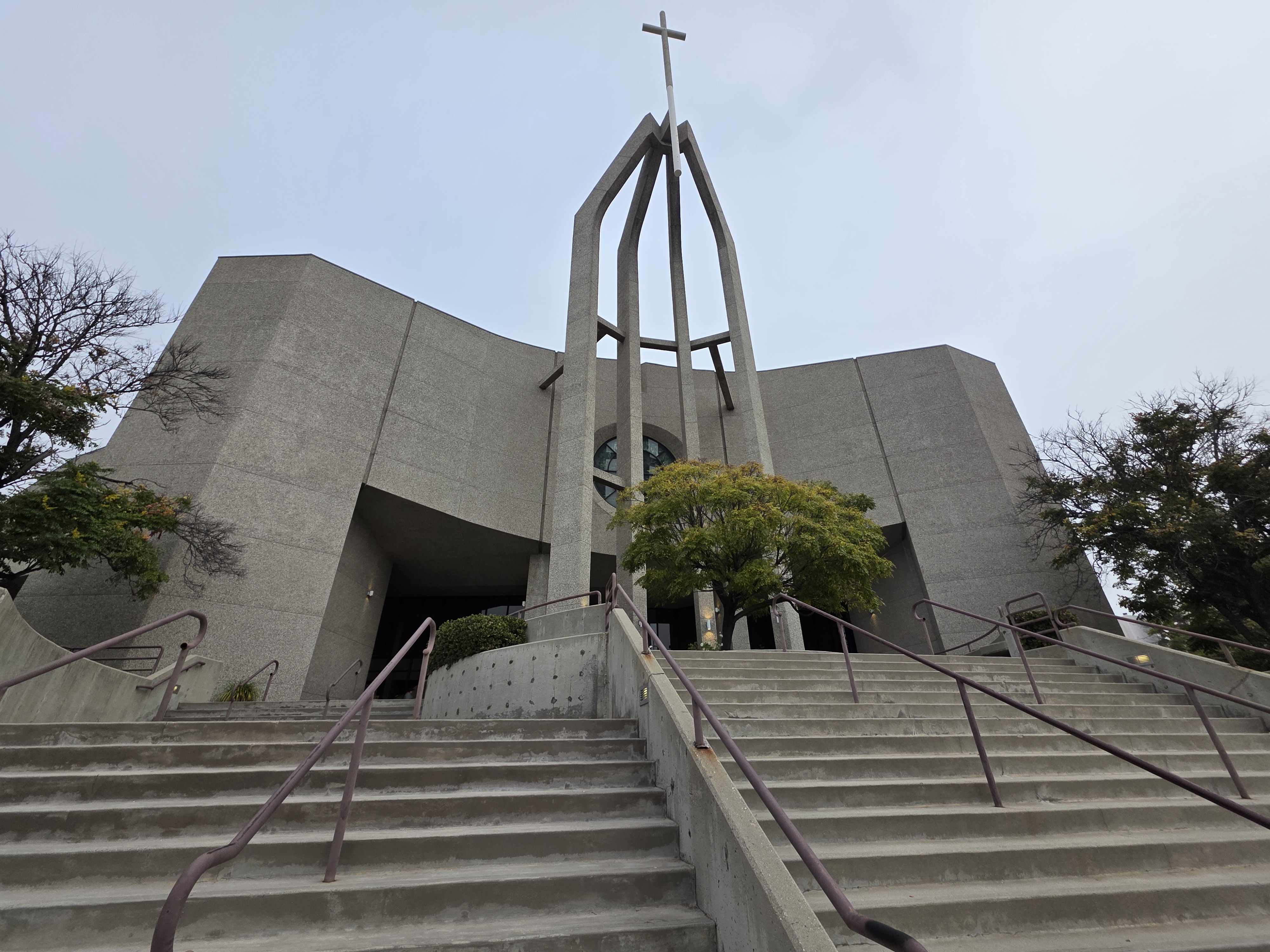
Prayer in a church does not have to be mysterious to be meaningful. At Mount Hope, it can happen in worship, in conversation, in a small group, or in the kind of quiet follow-up that shows somebody remembered your request after Sunday lunch.
That matters because prayer is not just a spoken moment. It is also a pattern of attention. A congregation can pray by listening carefully, by checking in on each other, and by making sure a request does not vanish into the cracks between services.
People often ask whether a prayer request has to be dramatic before it counts. The answer is no. Some requests are serious medical needs, family strain, grief, or work stress. Some are quieter: a new school year, a hard conversation, a move, a decision that feels heavier than it should, or the general sensation of having too many tabs open in the brain. Prayer can hold all of that.
| Where prayer shows up | What it looks like | Why it helps |
|---|---|---|
| Sunday worship | Shared prayer, quiet reflection, and moments of congregation-wide concern | Gives the whole church one place to hold needs together |
| Pastoral care | Follow-up after a request, visit, or conversation | Keeps prayer connected to real support |
| Small groups | People pray by name and check in again later | Turns prayer from a one-time mention into ongoing care |
| Everyday life | Members carry requests into the week | Helps prayer travel beyond Sunday without losing its footing |
If you want a plain-language primer on the practice itself, Cru’s how-to-pray guide is a friendly place to start. It is refreshingly free of spiritual fog machine behavior.
And if the idea of prayer as a daily rhythm sounds helpful but your schedule is acting like a raccoon with an espresso, Pray As You Go offers short guided sessions that fit a commute, a walk, or the five minutes before your coffee gets serious.
Ways to request prayer and share needs
Making a request should feel simple, not like filing a form in triplicate with a church dragon on the stamp desk. If you need prayer, the best approach is to say so plainly and include enough detail for the church to know how to help.
Use the contact page
The Contact Us page is the most direct place to share a prayer request or ask where it should go. It is a clean path when you want a clear response instead of hoping your message finds the right hallway.
Speak after worship
If you are already on campus, a conversation after service can be the easiest route. Sometimes the shortest path to care is a real person and two minutes of honest conversation.
Send a note by email
Email is useful when you want to ask quietly or include follow-up details. It also helps if you are writing for someone else and need to keep the message clear and concise.
| If you want to… | Say this | Helpful note |
|---|---|---|
| Ask for prayer for yourself | “Please pray for me about…” | Include whether you want the request shared publicly or kept private. |
| Ask for prayer for someone else | “Please pray for a family member/friend who is…” | Share only the details you are comfortable passing along. |
| Request follow-up | “I would like someone to contact me.” | That tells the church there is a care step after the prayer. |
| Keep it confidential | “Please keep this private.” | Say it directly. Churches are not mind readers, which is both tragic and convenient. |
Helpful requests are usually short and specific. You do not need to tell your whole life story to be taken seriously. A few useful details are enough: what the need is, whether it is urgent, whether you want follow-up, and whether the request may be shared with the congregation. That is the whole recipe. No mystery sauce required.
Examples can help if you are staring at the keyboard like it has personally offended you:
- “Please pray for my mother as she recovers from surgery.”
- “Please pray for our family as we make a move and adjust to a new school.”
- “Please pray for a job search and for peace about the next step.”
- “Please keep this request confidential, but I would appreciate follow-up.”
If a ministry team wants a simple way to keep prayer requests, follow-up notes, and volunteer reminders in one place, a web app builder can be a practical starting point for sketching that workflow.
How to participate if you are new
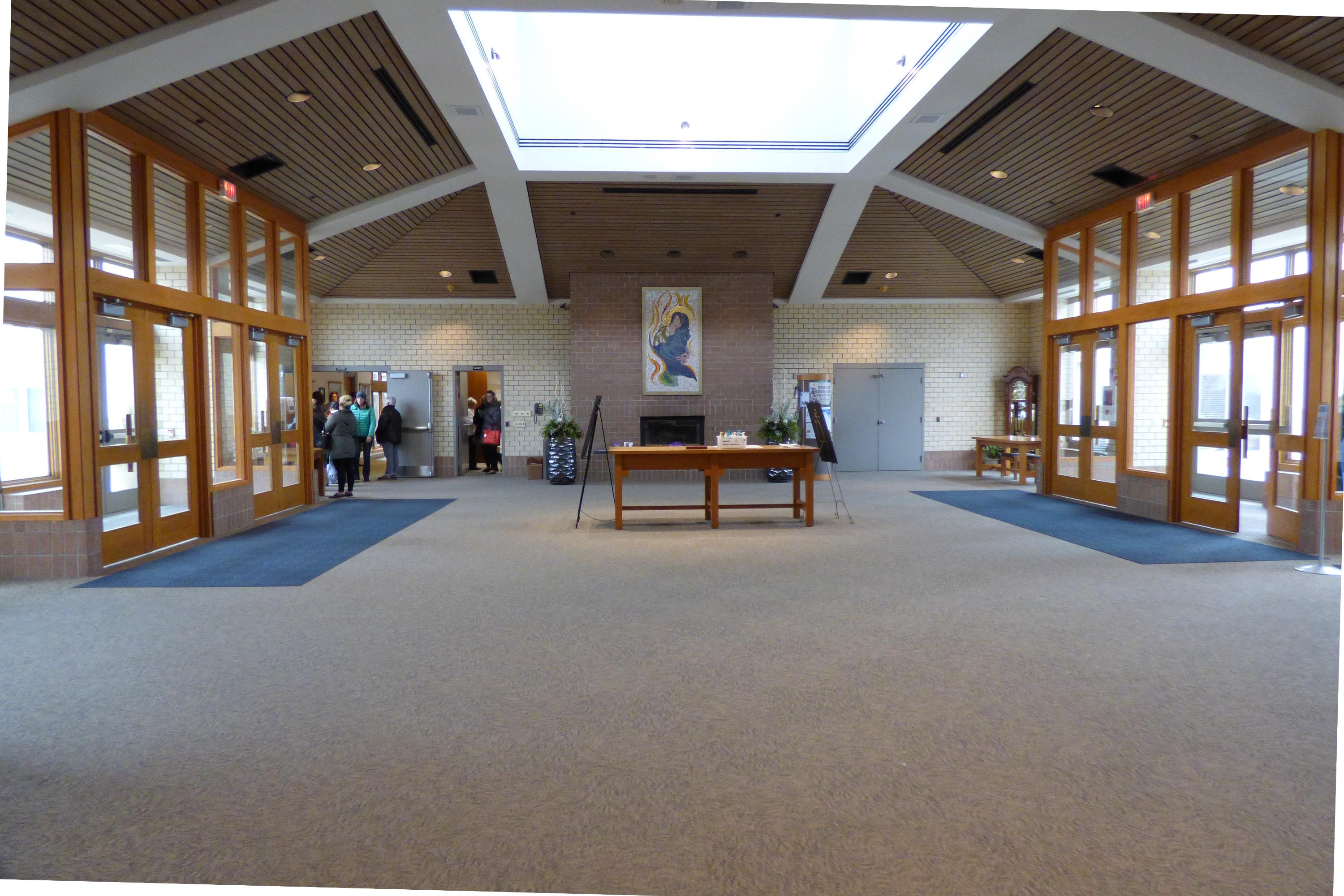
You do not need to arrive as a prayer expert. You do not need to know the right posture, the right vocabulary, or the secret handshake that every church pretends it does not have.
What the group needs most is a person who is willing to listen, learn the rhythm, and keep showing up. That might sound modest, but most healthy ministries are built on modest things that are done consistently.
- Start with a Sunday service. Listen for the way prayer is woven into worship and pay attention to the rhythm of the service.
- Say hello after worship. Ask about Chimes and Prayer, or say that you would like to learn how people participate.
- Offer one small step. You might begin by sharing a prayer request, helping with a simple setup, or learning how the group prepares.
- Show up with curiosity. That is usually enough to get from “new here” to “I know where this goes.”
Quiet participation
You can begin by simply attending and listening. Not every ministry wants a spotlight; some want a steady pair of ears and a respectful heart.
Practical participation
You may help prepare requests, pass along names, or support the group’s communication. The work is often small, which is exactly why it keeps working.
Regular participation
If the rhythm fits, you can come back often and make the ministry part of your weekly worship life. Repetition is not boring here; it is how care becomes a habit.
For a little extra context about the people and ministries around the church, the home page is the best place to start, and the Contact Us page is where you can ask for the current prayer or music contact.
How prayer supports worship and outreach
Prayer is not a side room. It is part of the structure. It helps worship stay rooted, and it helps outreach stay human. Without prayer, a church can still run programs. With prayer, those programs remember why people are showing up in the first place.
That is especially important in ministries that deal with people’s day-to-day needs. When prayer and service move together, the church is less likely to become a vending machine for good intentions and more likely to become a place where actual care shows up on time.
In worship
Prayer gives the service a shared center. It keeps singing, preaching, and listening from floating away from the actual people in the pews.
In outreach
Prayer helps the church respond to real needs without becoming a project factory. It keeps care personal, even when the work is organized.
In discipleship
Prayer reminds members that spiritual growth is not a solo hobby. It is a shared practice that changes over time, in community, with a little patience.
The prayer habit also connects naturally to Mount Hope’s broader life together. When families, children, and volunteers need support, prayer helps the church keep showing up with attention instead of just enthusiasm. The same is true for outreach ministries like Breakfast, Dinner, and Tutoring, where practical help and prayer belong in the same sentence.
The United Methodist prayers and liturgical resources collected by Discipleship Ministries are a good reminder that congregational prayer is designed to carry people across ordinary weeks, not only special occasions. And for anyone who wants a short daily practice outside Sunday, Pray As You Go offers a steady, low-friction way to keep prayer from getting crowded out by the rest of life.
If you are wondering whether prayer can matter in the plain middle of the week, the answer is yes. It matters there most of all, because that is where worry usually lives. A church that prays well is one that keeps making room for the people who are carrying ordinary burdens: work stress, family stress, new babies, aging parents, bills, transitions, grief, and the specific chaos of modern life that seems to arrive with every calendar update.
What it feels like to join in
Joining a prayer ministry can be surprisingly calm. No one is asking you to audition for sainthood or decorate a chalkboard. Usually, participation begins with hearing how the group works and deciding where your gifts fit best.
Some people are comfortable reading names or requests. Some are better at listening and noticing who needs follow-up. Some are organized enough to keep a list from wandering off into the church version of the Bermuda Triangle. Some bring the chime or help with the timing. Others simply pray faithfully and let that be enough. All of those roles matter.
Listener
Listens for names, stories, and needs, then keeps them in prayer with care.
Connector
Helps requests reach the right person or ministry without making the process feel like a treasure hunt.
Follow-up helper
Makes sure a request gets a second look after the first prayer, because people usually need more than one moment of attention.
If you are not sure which role fits, start small. Try one visit. Ask one question. Share one prayer need. That is how most people move from curious to connected.
The best ministries are not built by people who arrive already certain. They are built by people who are willing to learn the shape of the work and let the shape teach them something back.
Ready to share a request?
If you would like prayer, or if you want to learn how the Chimes and Prayer ministry works at Mount Hope, start with the Contact Us page. Include your name, the best way to reach you, and whether your request should be shared confidentially.
If you are new, saying “I am not sure where this goes” is a perfectly valid sentence. The church can translate from there.
You can also use the home page to explore the rest of the church’s life together, then circle back here when you are ready to connect a prayer need to a real person instead of just carrying it alone.
A simple first-week checklist
If you are joining in for the first time, it helps to think in very small steps. The first week is not about proving yourself. It is about learning the rhythm, meeting one or two people, and figuring out where your presence fits without making the whole thing feel like a committee audition.
- Attend one service and notice when prayer is spoken, sung, or signaled by the chimes.
- Share one request, even if it is short and ordinary.
- Ask who follows up on prayer needs so you know what happens after Sunday.
- Decide whether you want to join as a participant, helper, or regular volunteer.
That is enough to start. Most ministries grow through a few simple repeats, not one grand announcement from the heavens.