Reading the Bible with other people can make the text steadier, clearer, and less lonely. A group gives you room to ask what a passage says, listen for what others notice, and slow down enough to hear ideas that might be easy to miss on your own. If you like having a simple place to start, resources such as Bible Gateway and BibleProject can help a group compare translations and see the bigger story around a passage.
Many people assume Bible study has to be formal or intimidating. It does not. A small group around a table, a shared reading plan, and a few careful questions are often enough to begin. This guide walks through the basic rhythm of reading scripture with others, how to prepare for a meeting, and how to keep the conversation respectful and useful for beginners.
Why Reading with Others Helps
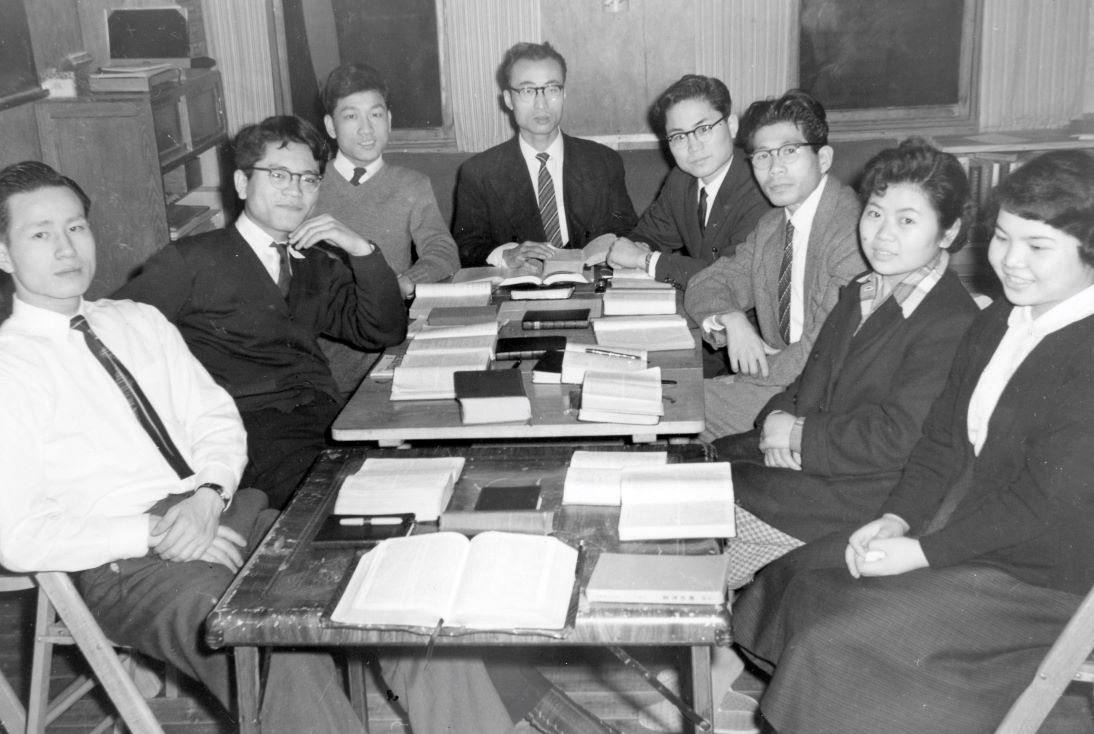
Reading alone can be quiet and personal, which is valuable. Reading with others adds another layer: community. One person notices a repeated word, another catches the setting, and another may ask the question you did not know how to ask. That shared attention often leads to a fuller understanding of the passage.
Group study also lowers the pressure to “get it right” by yourself. Scripture is deep, and not every section becomes clear on the first read. When a group approaches the text patiently, the conversation becomes less about proving a point and more about listening well. That is often where real learning begins.
There is also practical value. A regular group creates accountability without becoming heavy-handed. If people know they will gather again next week, they are more likely to read, think, and return ready to participate. The habit grows because the setting is welcoming, not because anyone is being graded.
If you are exploring how faith and teaching connect at Mount Hope, a helpful place to begin is What We Believe. It gives a plain-language sense of the church’s faith commitments and can give your group a shared starting point before you discuss a passage.
A Beginner-Friendly Approach: Read, Reflect, Share
One of the easiest ways to begin a group Bible study is with a three-part rhythm: read, reflect, share. It keeps the group from rushing ahead and helps every person participate, even if they are new to scripture or feel shy speaking in front of others.
| Step | What to do | Why it helps |
|---|---|---|
| Read | Read the passage aloud once or twice, slowly. | Everyone starts with the same words and the same context. |
| Reflect | Pause for a minute or two and notice one word, phrase, or question. | Quiet reflection keeps the discussion from becoming rushed or dominated by one voice. |
| Share | Invite each person to offer one insight, question, or application. | The group learns from several perspectives instead of only one strong speaker. |
Read
Start by reading the passage in a common translation, then read it again if time allows. Hearing the text out loud helps people notice rhythm, repeated language, and changes in tone. If your group wants to compare wording, Bible Gateway is useful because it lets you look at multiple translations in one place.
Try not to rush past the words just to reach the discussion. A passage often becomes clearer after the second read. Even a short reading can carry more meaning when people hear it carefully and do not feel pressed to perform.
Reflect
Reflection is the pause between hearing the text and talking about it. Ask each person to notice one detail. It could be a word, a repeated idea, a question, or a sentence that sounds surprising. This step helps beginners because it gives them a simple task instead of asking for an expert-level interpretation right away.
You do not need every reflection to be polished. A simple comment like “I noticed how often this passage talks about mercy” is enough to move the conversation forward. Small observations often open the door to better questions.
Share
When people share, they should not try to win the room. The goal is to learn together. Each person can offer one thought and one question, then the group can listen before responding. That pattern keeps the conversation balanced and gives quieter participants a clear place to join in.
If your group is comfortable, end the sharing time by naming one practical next step. That might be an act of kindness, a prayer, a change in perspective, or a habit to revisit during the week. The point is not to force an immediate lesson, but to let the text shape real life in small, honest ways.
How to Prepare for a Session
A good Bible study meeting does not require fancy materials. A little preparation is enough. The more clearly the group knows what to expect, the easier it is for everyone to relax and participate.
Here are simple steps that work well for most groups:
- Choose a passage in advance. Short passages are often best for beginners because they give the group enough room to read carefully without feeling hurried.
- Write 3 to 5 guiding questions. Good questions help the group stay focused and make room for different kinds of answers.
- Decide how long the meeting will last. People relax when the start and end time are clear.
- Pick a comfortable setting. A table, good lighting, and a quiet room can change the tone of the conversation more than people expect.
- Plan a simple opening and closing. A short prayer, a welcome, and a closing prayer keep the meeting grounded without making it rigid.
If you want an easy way to choose a passage or build a reading habit, YouVersion offers reading plans that can help a group stay on the same page during the week. That is especially helpful when people are meeting in different places but want one shared text to discuss.
Some groups also benefit from a quick overview of a book or theme before the first meeting. BibleProject offers accessible videos and articles that help readers see how a passage fits into the larger shape of scripture. That can make the first conversation feel less overwhelming, especially when the group is studying a new book of the Bible.
How to Ask Questions Respectfully
Questions are one of the best parts of Bible study, but the way they are asked matters. A respectful question invites thought. A leading question tries to steer the answer before anyone has had time to think. The difference is small, but it changes the whole tone of the room.
Good questions usually begin with open language such as “what,” “how,” or “why.” They leave room for more than one honest response. They also make it easier for beginners to join the discussion because there is no pressure to guess the “right” answer immediately.
Here are a few examples of questions that work well:
- What stood out to you in this passage?
- What word or image feels most important here?
- How does this passage connect with what you already know?
- What seems clear, and what still feels unclear?
- How might this passage shape the way we treat other people this week?
Questions to avoid are the ones that corner the group into agreement. “Don’t you think this means…” is usually a sign that the question already has its answer built in. That style can shut down discussion before it starts. If you want people to speak honestly, give them a question that genuinely leaves room for discovery.
Active listening matters just as much as the question itself. When someone shares a thought, repeat it back in your own words if needed, then pause. Not every comment needs a correction or a quick follow-up. Sometimes the most respectful thing you can do is let another person’s observation sit for a moment.
If your group wants a broader church context for how scripture is approached, the Mount Hope United Methodist Church home page is a useful place to see the wider ministry picture and move toward the next step that fits your situation.
How Groups Connect to Sunday Teaching
Many Bible study groups become stronger when they connect with Sunday teaching. The sermon can provide a framework for the week’s passage, while the group conversation gives people more time to unpack what they heard. The two settings are different, but they can support each other well.
One simple way to do this is to choose the same text that was read in worship, or a passage related to the sermon theme. Another approach is to ask, “How did Sunday’s message help us notice something new in this text?” That keeps the group grounded in the life of the church without turning the study into a lecture.
Group study can also help people carry Sunday teaching into the week. A sermon may raise a good question, but a small group gives space to work through the answer with patience. That is often where application becomes more concrete. People think about how to forgive, where to serve, how to pray, and what to change in ordinary routines.
For some groups, the connection is simple: the sermon gives the starting point, and the Bible study gives the deeper conversation. For others, the rhythm is reversed. They study during the week and then listen for how worship echoes or expands the same theme on Sunday. Either way, the shared habit helps people see scripture as part of a living church community rather than a private reading exercise.
Where to Join a Class or Group
If you are ready to join a Bible study, start with what is already available. Check the church bulletin, website, or announcements for classes and small groups. If you are unsure where to begin, the contact page is a good next step. You do not need to have all the right words before reaching out.
At Mount Hope, you can use the Contact Us page to ask about classes, study groups, or ways to get involved. A short message is enough. Share your name, your question, and whether you are looking for an existing group or hoping to start one.
If no group currently fits your schedule, consider starting small. Two or three people around a table can be a real Bible study. You do not need a large room, a long lesson plan, or perfect confidence. You need a passage, a few questions, and a steady time to meet. That is often enough to begin.
Here is a simple first-meeting agenda you can use:
- Welcome everyone and open with a short prayer.
- Read the passage aloud twice.
- Let each person name one observation and one question.
- Discuss how the passage connects with daily life.
- Close by naming one prayer request or one small action for the week.
That kind of gathering is modest on purpose. It creates room for beginners, visitors, and people who are returning to scripture after some time away. Good group study is not about pressure. It is about making space for the text, for honest questions, and for people to grow at a human pace.
A Few Helpful Habits to Keep the Group Healthy
Once a group gets started, a few simple habits help it stay welcoming. Keep the group small enough that everyone can speak. Start and end on time. Rotate who reads the passage aloud. Make it clear that questions are welcome and that no one has to pretend to know more than they do.
It also helps to avoid turning every meeting into a debate. Bible study should be thoughtful, but it should not feel like a contest. If a question starts to drift toward argument, slow it down. Ask what the passage says before asking what someone else is wrong about. That small shift keeps the room calm and useful.
When the group feels stuck, return to the basics: read the text again, notice what stands out, and ask what it might mean in context. If you want a wider set of teaching tools, the BibleProject and UMC Discipleship sites both offer material that can help a group study with more clarity and confidence.
What to Do When the Conversation Stalls
Even a healthy Bible study can have quiet moments. That is normal. A blank pause does not mean the group is failing. It often means people are thinking, or that the question needs a simpler shape. When that happens, slow the room down instead of trying to rescue it with noise.
Three gentle moves usually help. First, read the passage again and ask what word or phrase feels most important now. Second, ask a concrete question such as, “What do we learn about people here?” or “What changes by the end of this passage?” Third, let someone summarize the discussion before moving on. A brief summary often reveals what the group has actually heard and what still needs attention.
If the conversation still feels thin, that may be a sign to stop reaching for a deeper layer too quickly. Some passages invite careful listening more than rapid interpretation. In those moments, prayer, silence, and one honest observation may be enough. A group does not have to produce a perfect takeaway every week. It only has to stay open, attentive, and willing to return.
For groups that want a little more structure, it can help to close each meeting with three short prompts: What did we notice? What did we learn? What will we carry into the week? Those questions keep the focus on scripture, learning, and practice without making the study feel rigid.
It is also wise to keep the physical setup simple. Bring a Bible, a notebook, and a pen. Offer water or coffee if that fits the group. Choose one translation for the meeting so people are not trying to follow too many versions at once. Small choices like these reduce friction and let people focus on the passage instead of the logistics. In a group setting, that kind of quiet care matters more than it might seem at first glance.
Reading Together Is a Quiet Kind of Care
People often come to Bible study carrying different levels of familiarity, energy, and hope. Some are looking for answers. Some are looking for a place to belong. Some simply want a gentle next step. Reading together honors all of that. It gives people a way to show up as they are and still learn something real.
If you remember only one thing, let it be this: a good Bible study does not need to be impressive to be meaningful. It needs to be clear, kind, and steady. Read the passage. Reflect on it. Share what you notice. Ask respectful questions. Let Sunday teaching and daily life speak to each other. Then keep going, one meeting at a time.
When you are ready, connect with the church, ask your question, and take the next small step. A group table may be the simplest place to begin, and for many people it becomes the place where scripture starts to feel less distant and more like part of everyday life.