
Children & Youth
Breakfast, Dinner, and Tutoring: Building Community Beyond Sunday
Meals and tutoring are not extras. They are steady touchpoints that help a church care for people during the week, when schedules are busy and families need practical support as much as encouragement.
At Mount Hope United Methodist Church, breakfast, dinner, and tutoring create a simple pattern with real value: gather, eat, learn, and stay connected. That pattern matters because discipleship is not limited to one hour on Sunday. It also includes the habits that help children, students, caregivers, and volunteers keep showing up for one another.
If you want a neutral outside reference point, the USDA’s MyPlate print resources for healthy eating, the Institute of Education Sciences’ guidance on high-quality tutoring, and the Afterschool Alliance’s research collection on afterschool support all point in the same direction: regular routines help people stay grounded.
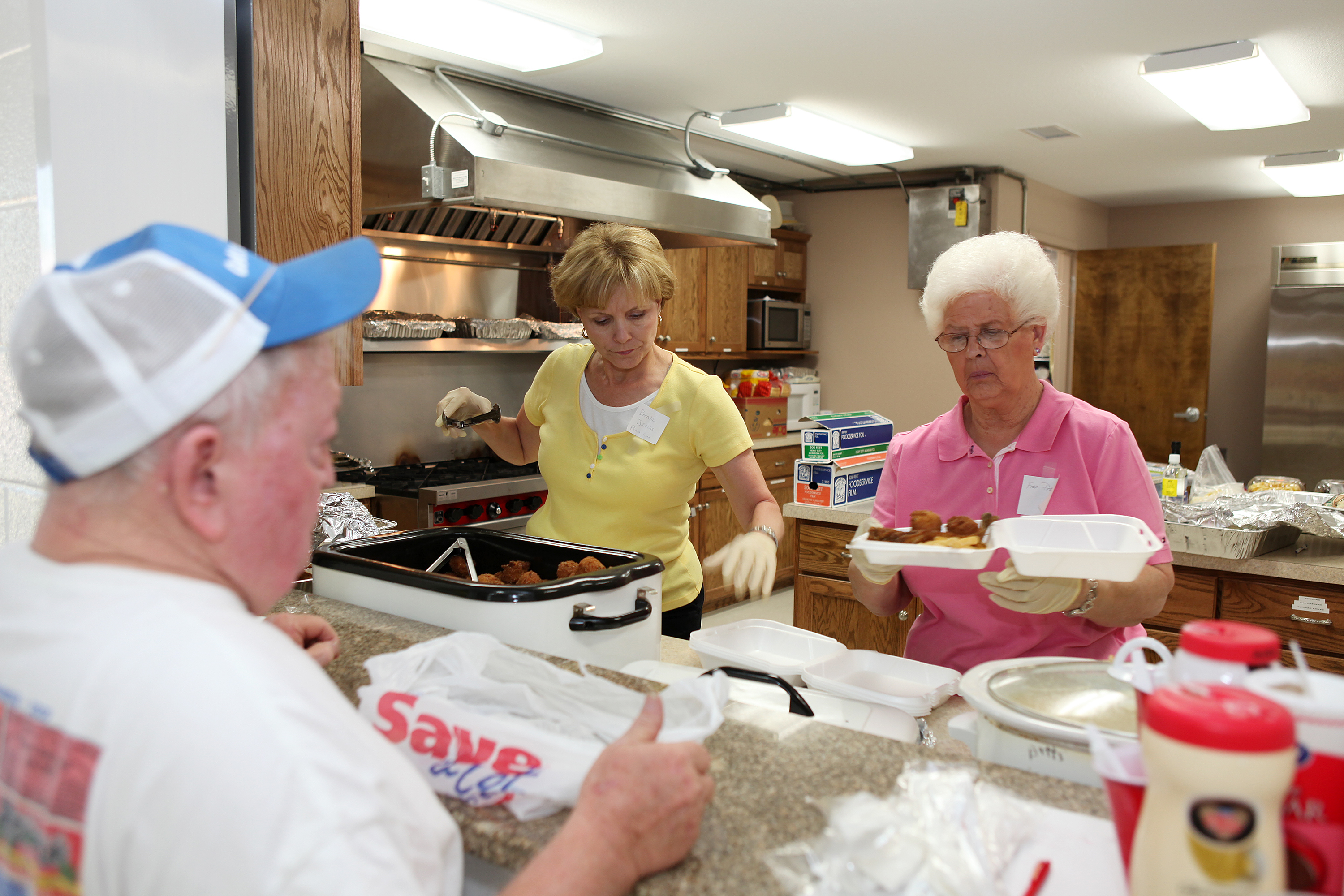
Why meals and tutoring are part of discipleship
Church life is often described in spiritual terms, but the most reliable ministries are usually simple. A meal gives people a table to sit at. Tutoring gives students a place to ask questions without embarrassment. Both are forms of service, and both tell families that they are worth the time it takes to care well for them.
That is why breakfast and dinner ministries matter. They slow the pace, reduce pressure, and give children and adults a chance to be seen. Tutoring does the same work in a different way. It offers attention, patience, and structure. A student who can get help with homework or reading is less likely to feel lost, and a caregiver who knows support is available can breathe a little easier.
In practical terms, the ministry is doing three things at once:
- feeding people so they are not trying to learn or serve on empty,
- building trust through regular contact, and
- creating a place where children and youth can receive help without pressure.
What families should expect when they join
Families should expect a welcoming environment, clear direction, and people who understand that most households are balancing more than one demand at a time. The goal is not to create a program that feels impressive from a distance. The goal is to create a ministry that is dependable up close.
| Touchpoint | What it provides | What families can expect |
|---|---|---|
| Breakfast | A simple meal and a calm start to the day | A place to arrive, settle in, and connect before the day gets busy |
| Dinner | A shared table in the middle of a full week | Time to eat, talk, and feel less alone in the middle of routines and responsibilities |
| Tutoring | Homework help and steady learning support | Patient attention, a quieter setting, and adults who are ready to help |
That table is the baseline. The deeper result is trust. When a church shows up at the same place with the same kind of care, families learn what to expect. That matters. Stability is not a luxury. In ministry, it is part of the work.
How to participate
The safest first step is to use the Contact Us page and ask how participation works for the current season. Some families may need to confirm whether a sign-up is requested ahead of time. Others may be told to simply come and join in. If the church asks for a head count, a lunch note, or tutoring materials, that will usually be the first thing to confirm.
Before your first visit, keep this checklist simple:
- Ask whether your household should sign up or just arrive.
- Confirm whether students need to bring homework, books, or supplies.
- Ask about any allergy or accessibility needs before you come.
- Arrive a little early so you are not trying to solve logistics in a hurry.
If no special preparation is requested, do not overcomplicate it. Come ready to sit at the table, receive help, and let the ministry do what it is designed to do.
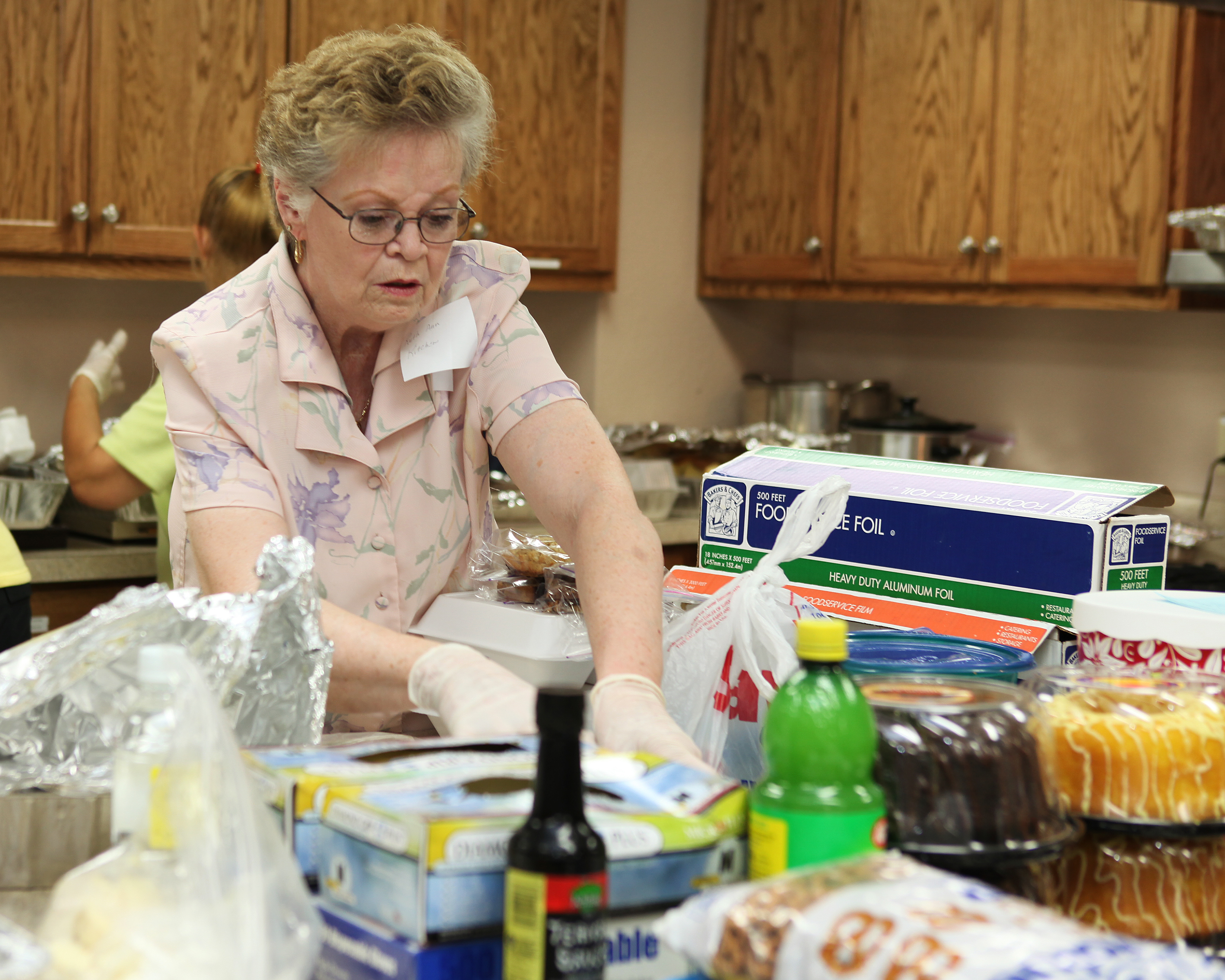
How these programs support students and caregivers
Students benefit first because the ministry gives them a place to eat, ask questions, and learn. That combination is not small. Nutrition, attention, and consistent adult support are basic conditions for learning. Tutoring adds a safeguard for students who need more than what the school day can always provide.
Caregivers benefit too. A meal reduces one decision. Tutoring reduces one worry. A familiar ministry reduces the feeling that everything must be managed alone. When the church keeps a steady rhythm, it gives families a steadier week.
This is also where the wider church body becomes visible. People who serve meals, organize supplies, tutor, greet families, or clean up afterward are not performing side work. They are helping hold the line. That work is quiet, but it is not minor.
How to ask questions or volunteer
If you are unsure where to begin, ask. Use the Contact Us page and let the church know whether you are asking as a parent, a student, or someone who wants to volunteer. Clear questions are better than assumptions, especially when children and youth are involved.
For parents and caregivers
Ask what to expect, what to bring, and whether your family should register in advance.
For students
Ask what kind of tutoring support is available and whether homework or reading materials should come along.
For volunteers
Ask how to help with serving, setup, cleanup, welcome, or tutoring support before showing up for a role.
Volunteering should be orderly, not improvised. The right process protects families, protects students, and helps the ministry stay reliable.
Continue with children and youth
If you want to see the wider ministry context, start with Children & Youth. That section gives a broader view of how Mount Hope serves children, students, and families beyond a single meal or study hour.
Breakfast, dinner, and tutoring are important because they are repeatable points of care. They build trust through routine. They give families a place to return. And they remind the church that support does not end when Sunday does.
- Meals create fellowship.
- Tutoring creates confidence.
- Families need clear next steps.
- Volunteers need a simple way to help.