Children & Youth
Faith, friends, and a place to belong
Junior and senior high years can be full of questions, changes, and pressure. Mount Hope United Methodist Church wants youth ministry to be a steady place where teens can be known by name, grow in faith, and build friendships that are healthy and real. That kind of connectedness matters: the CDC says young people do better when they feel cared for and supported by adults and peers, and Search Institute describes developmental relationships as the close connections that help young people discover who they are and learn how to contribute.
What the youth group is designed to do
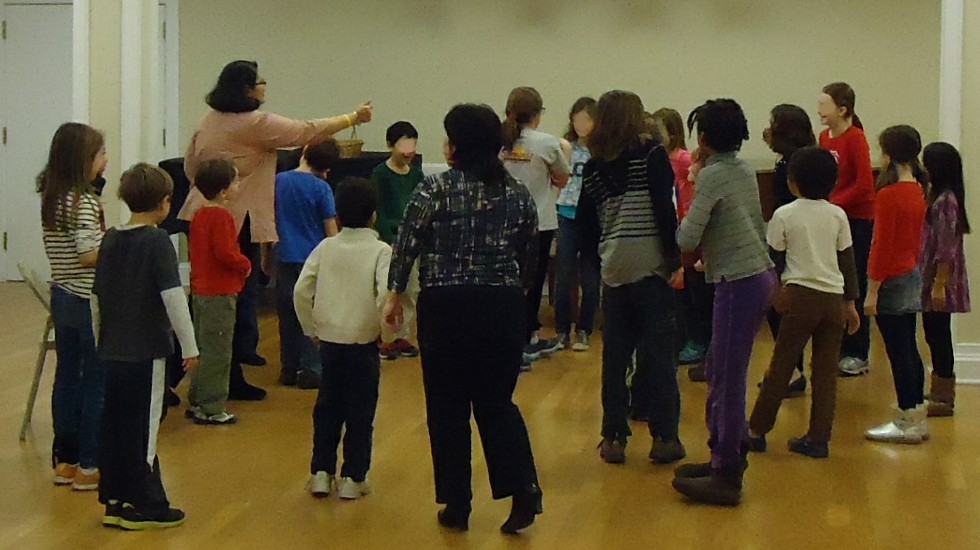
Our aim is simple: create a safe, welcoming place where junior and senior high students can belong, ask honest questions, and keep growing. The United Methodist Church describes ministry with young people as a way to nurture faith development and equip young leaders, which fits the kind of steady formation families often hope for.
That means the youth group is not only a place to “have something to do.” It is also a place to learn how to pray, listen to Scripture, treat others well, and begin making faith part of everyday life.
How youth connect
Teens usually connect best when there is a rhythm they can trust. At Mount Hope, that rhythm can include conversation, small groups, worship, and time to catch up with friends and leaders in a relaxed setting.
- Small group conversation gives students space to ask questions without feeling rushed.
- Shared worship helps youth remember that faith is something they practice together, not alone.
- Regular gatherings make it easier for new students to join without feeling like everyone else already knows the rules.
For a broader look at what the church offers children and youth, visit the Children & Youth page.
Opportunities for involvement
Youth ministry is at its best when it gives students something real to join. At Mount Hope, that can include meals, tutoring support, and times that help students connect with one another while also serving the church and community.
If your family wants a practical example, the Breakfast, Dinner & Tutoring ministry shows how relationship-building and everyday care can work together. Shared meals and help with schoolwork may sound simple, but they often open the door to deeper trust.
Students may also find that special events and other gatherings are easier to join once they already know a few people. That is usually how healthy youth ministry works: one good invitation becomes the start of a new habit.
Inviting friends to join
One of the most welcoming things a student can do is make room for a friend. A friend does not need to know the songs, the language, or the regulars before showing up. They just need an invitation and a place where someone notices them.
Keep it simple
Try a plain invitation: “Come with me this week.” That is usually enough.
Explain what to expect
Let friends know they will be welcomed, not put on the spot.
Stay together
If it helps, plan to arrive and leave together so the first visit feels easier.
A good youth group knows how to welcome newcomers without turning them into a project.
Keeping parents informed
Parents and caregivers should never have to guess what is happening. If you want updates, start with the church office and ask about the weekly email, youth announcements, or the best way to hear about upcoming gatherings.
- Use the Contact Us page for the latest church contact details.
- Ask about youth schedules and any reminders you should watch for.
- Reach out if your family has questions about safety, check-in, or where to go on a first visit.
Getting in touch
If you are ready to ask a question or plan a visit, the church office is a good next step.
Mount Hope United Methodist Church
501 E. Mount Hope Avenue, Lansing, Michigan 48910
Phone: (517) 482-1549
Email: [email protected]
For teens, the best invitation is often the simplest one: come as you are, bring a friend if you want, and see where you fit.