
Families
Practical expectations for a calmer first Sunday
The false lead is thinking you need a perfectly calm baby, a perfectly cooperative toddler, and a perfectly scripted Sunday. You do not. You need a basic plan, one honest question if something feels unclear, and room for a real child to act like a real child.
Most parents are trying to rule out the same problems before they walk in: Where do we go first? What should we bring? What happens if our child is clingy? When should we ask a question before Sunday instead of guessing in the parking lot?
That is the actual job of a nursery overview. Not sales copy. Not vague reassurance. Just a practical picture of how the morning usually works so families can arrive with fewer surprises. Churches that care well for children tend to pay attention to welcome, routines, and communication, which is part of why United Methodist resources keep pointing congregations back to the basics of caring for children thoughtfully and consistently. See this ResourceUMC guide on caring for children in the congregation for broader context.
At Mount Hope, the simplest next step is still the right one: use the Contact Us page before Sunday if your family has a practical question about nursery care, accessibility, allergies, or where to start when you arrive.
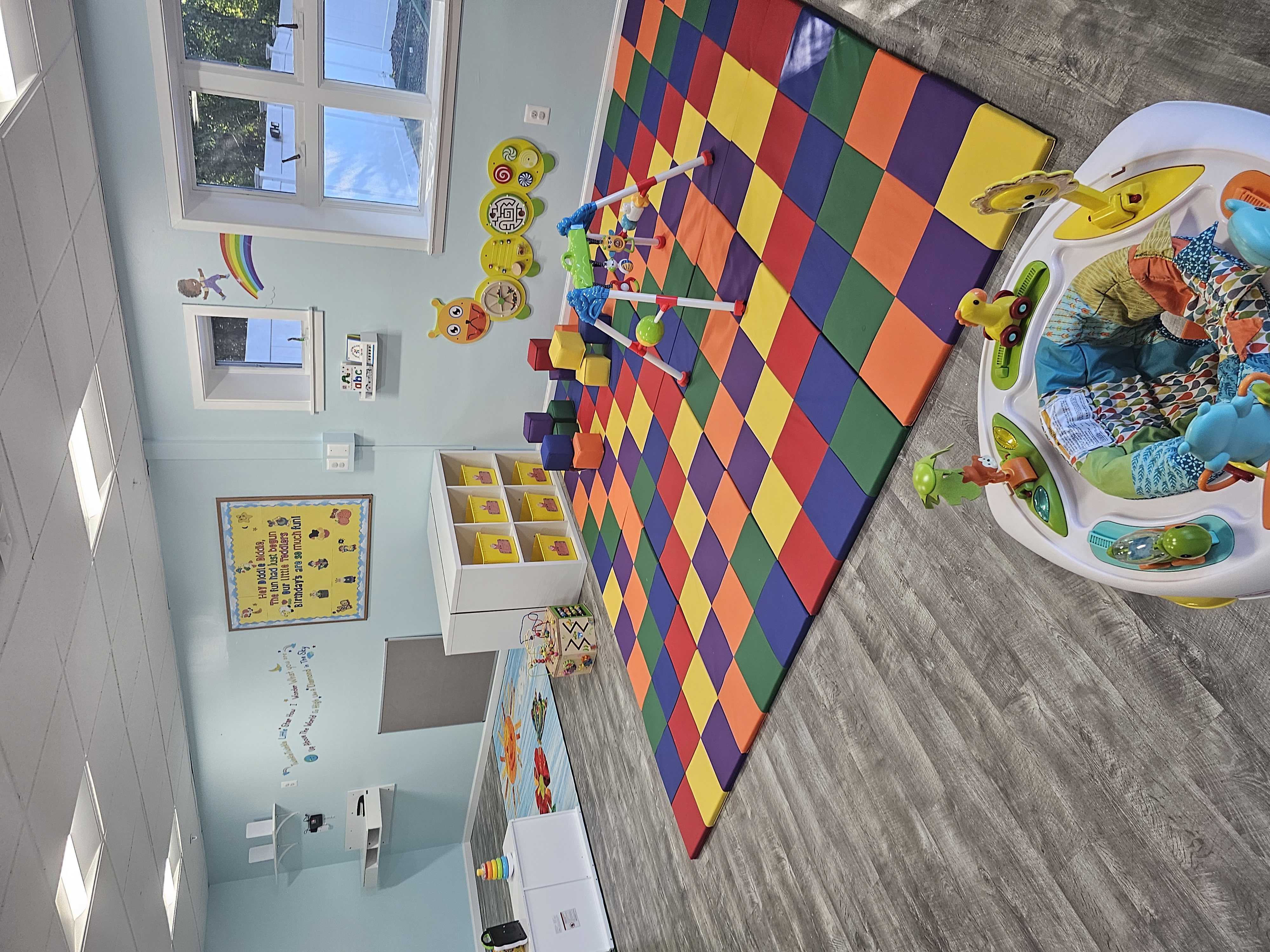

How nursery care supports parents and caregivers
Nursery care exists to do one simple thing well: give parents and caregivers a workable path into worship while the youngest children are cared for in an age-appropriate setting. That does not mean every infant settles instantly or every toddler loves the room on sight. It means families should have a clear place to begin and a clear person to ask when something needs attention.
Mount Hope already points families toward a welcoming nursery through its Children & Youth overview. For most households, that means nursery is part of the support structure for Sunday morning, not a test you have to pass. If your child needs a slower start, that is information, not failure.
What to look for when you arrive
The first five minutes matter because they set the tone for the rest of the morning. Check the boring thing first: do you know where to go? If not, ask. Wandering the hallway with a diaper bag and a suspicious toddler is a bad diagnostic strategy.
- Arrive a little early if you want time to locate the nursery without rushing.
- Bring the obvious supplies your child may need, such as a diaper bag, bottle or cup, and any comfort item that helps with transitions.
- Share useful details like allergies, feeding rhythms, or separation concerns before you disappear into the sanctuary and hope telepathy covers the rest.
- Ask one direct question if you are unsure where pickup happens or whether your child would do better easing in slowly.
Typical flow: check-in to pickup
The high-level flow is usually simple, and simple is good.
- You arrive a few minutes early and find the nursery or ask a greeter to point you there.
- You share anything the caregivers should know right away: allergy notes, comfort items, feeding details, or concerns about separation.
- You help your child settle, then head to worship once you know where to return afterward.
- If your child has a rough start, talk through the best next step instead of assuming the whole morning is blown up.
- You return after worship or at the agreed point in the morning and reconnect for pickup.
That is the point: a clear handoff, a calm worship hour for parents when possible, and a straightforward reunion afterward. No mystery plot twists required.
How we handle comfort and routines in general
Infants and toddlers do not care that the bulletin is beautifully printed. They care about familiar rhythms, recognizable comfort, and whether the adults around them seem steady. If your child is especially clingy on a first visit, that is not unusual. The American Academy of Pediatrics notes that separation anxiety is common in toddlers, and Zero to Three offers practical guidance on predictable goodbyes and transitions.
What follows from that is fairly ordinary: short explanations help, comfort items can help, and a little extra lead time often helps more than people want to admit. The goal is not to force a dramatic breakthrough on week one. The goal is to make the next sensible step easier.
Questions worth asking before Sunday
If your child has allergies, sensory needs, accessibility concerns, or a routine that would help caregivers support them well, ask before you arrive. That is not overthinking it. That is avoiding preventable confusion. Mount Hope keeps that path simple through the Contact Us page.
Families looking for broader church guidance around welcome and accessibility may also find this ResourceUMC article about welcoming families with special needs useful. The principle is straightforward: hospitality gets more credible when it becomes practical.
Where to go next
If you want the wider family-ministry picture, start with the Children & Youth page. If you want to clear up one practical question before Sunday, use Contact Us.
First diagnostic step: do not wait until the car is in the parking lot to sort out nursery questions. Send the simple question ahead of time, bring the obvious supplies, and let Sunday be calmer than it would have been otherwise.