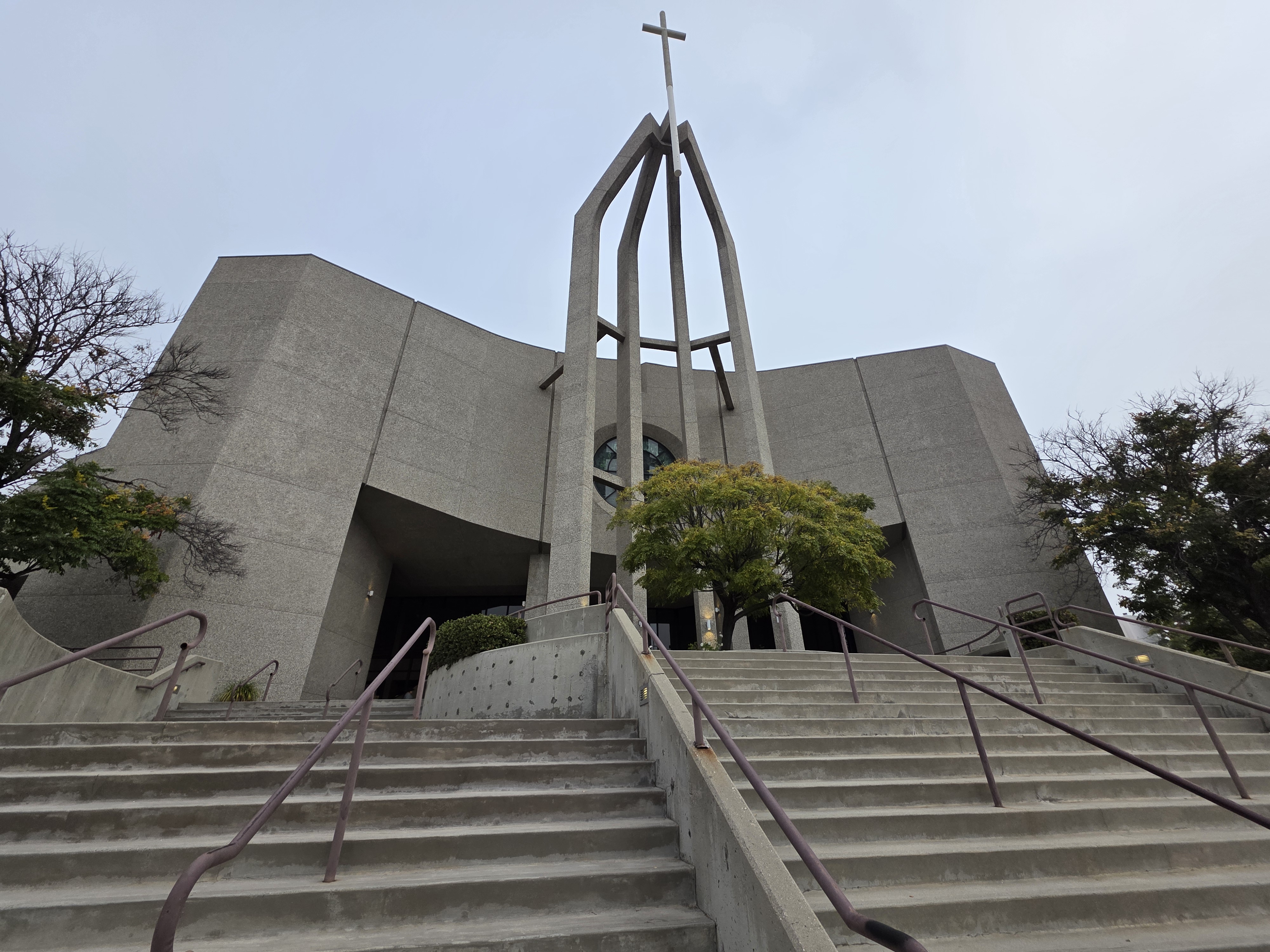
When life turns sideways, even the simplest questions can feel heavy. What do I do next? Who do I call? Is it okay to ask for help, or should I try to look brave and make a serious cup of coffee first? The short answer is that faith communities are often at their best when they make room for both honesty and hope. At Mount Hope United Methodist Church, crisis support means having people and practices ready to help you take the next step, even if that step is small.
If you are carrying grief, anxiety, family stress, or another difficult season, you do not have to sort it out alone. Support can include prayer, a listening ear, connection to pastoral care, and encouragement that meets you where you are. For a broader picture of how crisis support works in communities, the Substance Abuse and Mental Health Services Administration and the National Alliance on Mental Illness both offer practical guidance for people who need immediate emotional support and next steps.

What crisis support looks like at church
In a church setting, crisis support is not a grand speech or a one-size-fits-all fix. It is usually more practical than that. It may mean a pastor, staff member, or trusted volunteer checking in, praying with you, helping you think through what comes next, or connecting you with the right resource. Sometimes the most helpful thing is simply being heard without being rushed.
That kind of care matters because crisis can make ordinary decisions feel strangely complicated. Even sending a text can feel like climbing a hill in dress shoes. A faith community can help by offering structure, compassion, and people who know how to stay with the hard stuff instead of waving it away.
Pastoral care and prayerful support
Mount Hope’s pastoral care approach is centered on personal support. That can include prayer, conversation, visitation, and guidance for people who need help navigating a difficult moment. If you want a clearer sense of how this ministry fits into the life of the church, visit Pastoral Care for more information on the ways Mount Hope supports people with care and attention.
Pastoral care is especially valuable when your needs do not fit neatly into a checklist. Some people want a prayer partner. Others want help naming what they are feeling. Others need someone to help them take the next practical step. A good pastoral conversation can make room for all of that without pretending life is tidy when it absolutely is not.
Resources for emotional and spiritual support
Support grows stronger when it has more than one doorway. At Mount Hope, that may include worship, Bible study, small groups, and other ministries that help people stay connected during stressful seasons. Spiritual support is not about forcing a cheerful ending. It is about having a place to breathe, reflect, and remember that faith can hold both questions and hope.
For many people, being in a room with other believers is its own kind of relief. You do not have to explain everything perfectly. You just have to show up as you are. That is often where healing begins: not with polished words, but with honest presence.
- Prayer support: asking the church to pray with and for you.
- Pastoral conversation: a confidential, supportive conversation with church leadership.
- Worship and teaching: regular gatherings that can steady your heart and point you back to hope.
- Community connection: small groups and ministry settings where people can encourage one another.
- Referral support: help identifying outside resources when a situation needs additional care.
If you are looking for a church foundation for that kind of hope, What We Believe offers a look at the convictions that shape Mount Hope’s ministry and care for others.
How to reach out for help
Reaching out does not have to be dramatic. You do not need a perfectly worded explanation or a polished life update. Start with one sentence: “I could use support.” That is enough to open the door. You can contact the church through the Contact page to connect with staff or ask for pastoral care.
Attending worship is another simple way to reconnect if you feel isolated. Sometimes the first step toward healing is just being near other people who are also trying to live faithfully, imperfectly, and one week at a time. Churches are not magic, but they can be steady. That counts for a lot.
If your situation feels urgent or you are concerned about immediate safety, contact local emergency services or a crisis line right away. Faith support and professional crisis resources can work together, and reaching for both is wise, not excessive.
A place to take the next step
In difficult seasons, the goal is not to have every answer before you ask for help. The goal is to take the next faithful step, and then the next one after that. Mount Hope United Methodist Church is committed to being a place where people can find prayer, pastoral care, and community support when life feels uncertain. If you need a place to begin, start by reaching out. You do not have to carry the whole load by yourself.