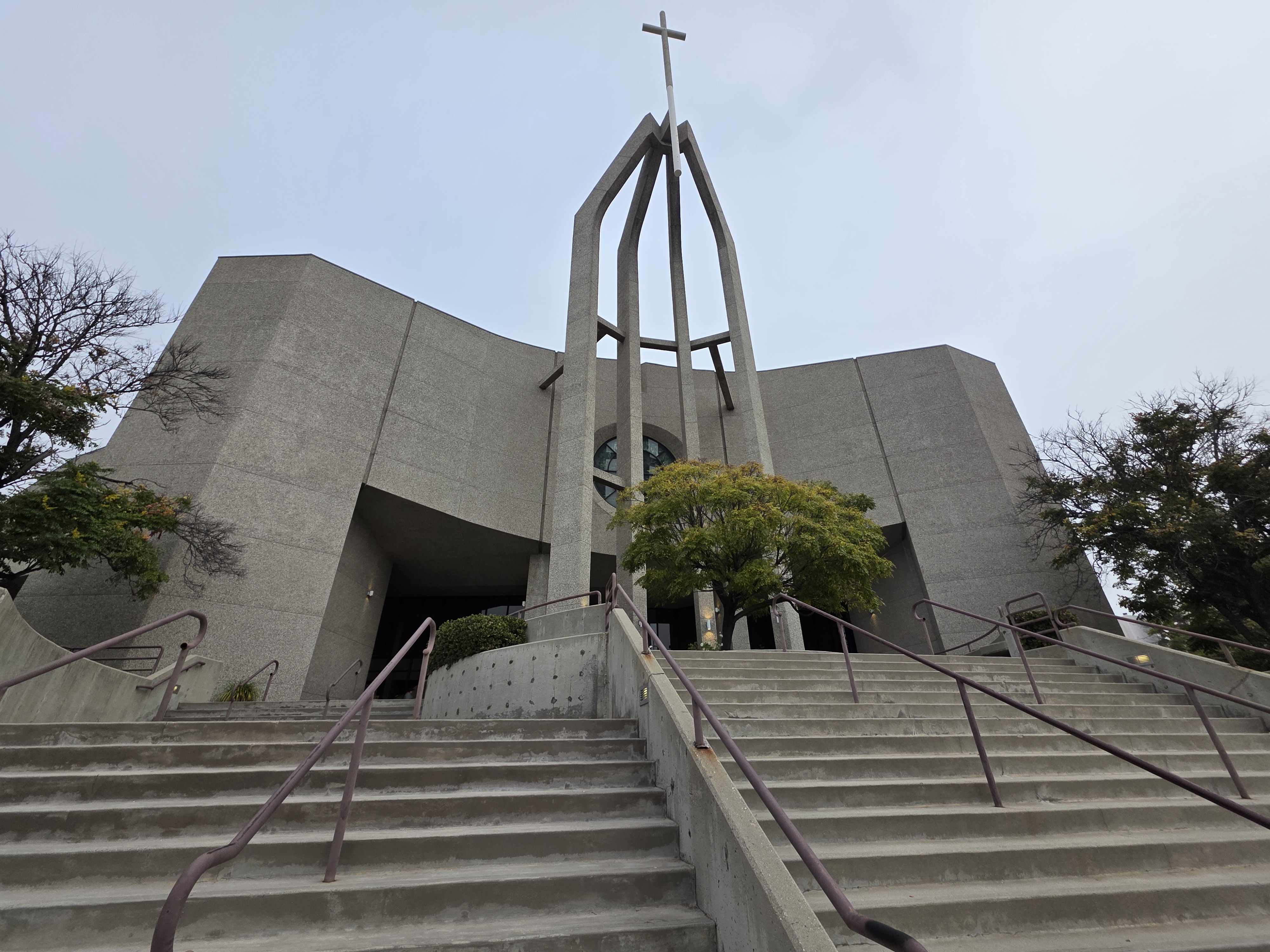
Core values are the rules you keep when no one is counting. For a church, that means the beliefs and habits that shape how people worship, serve, welcome, and care for one another.
When people look for a church, they usually ask a few practical questions: What do you believe? How do you treat people? Where does your mission show up on a normal week? That is the real test. As the United Methodist Church puts it in its vision language, the work is not abstract: it is about loving boldly, serving joyfully, and leading courageously.
That question matters because values are not wall décor. They are operating rules. They decide whether a church feels welcoming, whether ministry stays focused, and whether visitors can tell what kind of community they have walked into. If you want a wider context for this conversation, see our core values and what we believe.
In this article, I will break down the core values that shape church life, show how they show up in ministry, and give you a few questions to think through before you decide what kind of community you want to join.

What core values actually are
Core values are the shared principles that guide decisions, behavior, and priorities. In a church setting, they are the standards that help a congregation decide what matters most when time, energy, and attention are limited. That makes them useful, because churches do not have unlimited capacity. No institution does; the math remains stubborn.
At Mount Hope United Methodist Church, core values help connect belief to action. They shape worship, volunteer life, teaching, hospitality, and outreach. They also give newcomers a way to understand the church’s culture without needing a decoder ring.
For a broader United Methodist frame on belief and practice, the denomination’s overview of what it means to be United Methodist is a useful companion resource.
The values that shape Mount Hope’s life
The exact wording of a church’s values can be stated in different ways, but the purpose stays the same: define the kind of community the church intends to be. Here are the value themes that come through clearly in Mount Hope’s ministry life.
Welcome
Welcome means people should not have to earn a place before they are greeted with dignity. It shows up in the first handshake, the way guests are guided, and the tone people hear before worship begins. A good welcome is intentional, not accidental.
At Mount Hope, welcome connects directly to practical entry points like contacting the church, attending worship, and asking questions without pressure.
Faithfulness
Faithfulness is consistency. It is the decision to keep showing up in worship, prayer, teaching, and care even when life is noisy. Faithfulness matters because trust is built through repetition, not good intentions. Everyone loves a promise; maintenance is where the proof lives.
That is why a church’s teachings matter. They anchor behavior when preferences change and help keep ministry tied to a shared purpose.
Service
Service means the church does not stop at the sanctuary door. It looks for ways to help families, children, students, and neighbors in ordinary, useful ways. Mount Hope’s ministries around children, youth, breakfast, tutoring, worship, and pastoral care reflect that value in a practical way.
For examples of how service reaches beyond Sunday, see the church’s ministry pages and related posts such as Children & Youth and Who We Are.
Community
Community means people are known, not just counted. It is the difference between attending an event and belonging to a congregation. Churches that take community seriously create space for conversation, care, learning, and mutual support.
That is also why small groups, worship, shared meals, and volunteer roles matter. They are not side projects. They are part of the ministry system.
Growth
Growth is not just about numbers. It includes spiritual maturity, personal reflection, and learning how to live with more patience, honesty, and courage. A healthy church helps people grow without pretending growth is instant or neat.
For readers who want to think more about belief and practice together, our beliefs page is a helpful next step.
How these values show up in real church life
Values become visible in routine decisions. Below is a simple map of how church values move from idea to action.
| Value | What it looks like | Why it matters |
|---|---|---|
| Welcome | Friendly greetings, clear directions, patient follow-up | Helps newcomers feel safe enough to return |
| Faithfulness | Regular worship, teaching, prayer, and care | Builds trust and stability |
| Service | Meals, tutoring, children’s ministry, pastoral support | Turns belief into useful help |
| Community | Groups, shared meals, volunteer teams, conversation | Makes belonging concrete |
| Growth | Learning, reflection, discipleship, and next steps | Helps people move forward with purpose |
If you want a practical example of hospitality and community working together in church life, the United Methodist Church’s article on hospitality tips for the 21st century is a solid external reference.
What this means for the community
When a church’s values are clear, the community gets a cleaner signal. People know what to expect, where to ask questions, and how to get involved. That helps reduce confusion and increases the chance that someone will take the next step.
At Mount Hope, those next steps might include worship, a class, a volunteer role, or simply asking for guidance. If you are trying to understand the church’s direction, our mission and vision explains the larger purpose these values support.
These values also shape how the church responds to needs. A church that values service will notice families who need support. A church that values community will create places where people can talk honestly. A church that values growth will keep making room for questions. Those are not small differences.
Questions to ask yourself
If you are comparing churches or simply reflecting on your own priorities, ask yourself these questions:
- Do I want a church where people are simply present, or one where people are intentionally known?
- Do I want beliefs that stay private, or a faith that shows up in daily behavior?
- Do I value service only in theory, or do I want to be part of it?
- What kind of community do I help build when I walk into a room?
Those questions are useful because values are contagious. A congregation’s tone is built one decision at a time, and so is a visitor’s trust.
How to respond if these values resonate
If these priorities sound familiar, the next step does not need to be dramatic. Start small. Visit a worship service. Read more about the church’s beliefs. Reach out with a question. Attend a class or event. Simple moves are often the best ones.
For direct contact and next-step information, use the contact page. If you want a broader overview of the church’s identity, review who we are and then decide whether the fit feels right.
External resources can help frame the bigger conversation too. The United Methodist Church’s overview of social principles shows how belief and neighbor-love can move into public life in practical ways.
Conclusion
Core values are not decorative language. They are the church’s priorities made visible. At Mount Hope United Methodist Church, values like welcome, faithfulness, service, community, and growth shape how people are received, how ministries are organized, and how the church serves beyond Sunday.
If you are exploring whether Mount Hope is the right fit for you or your family, start with the values. They will tell you more than a slogan ever will. Then take the next step, ask a question, and see how the community responds.
Key points:
- Core values define how a church makes decisions and treats people.
- Mount Hope’s values show up in welcome, service, community, faithfulness, and growth.
- These values shape everyday ministry, not just Sunday worship.
- Reflection and contact are the best next steps for anyone exploring the church.