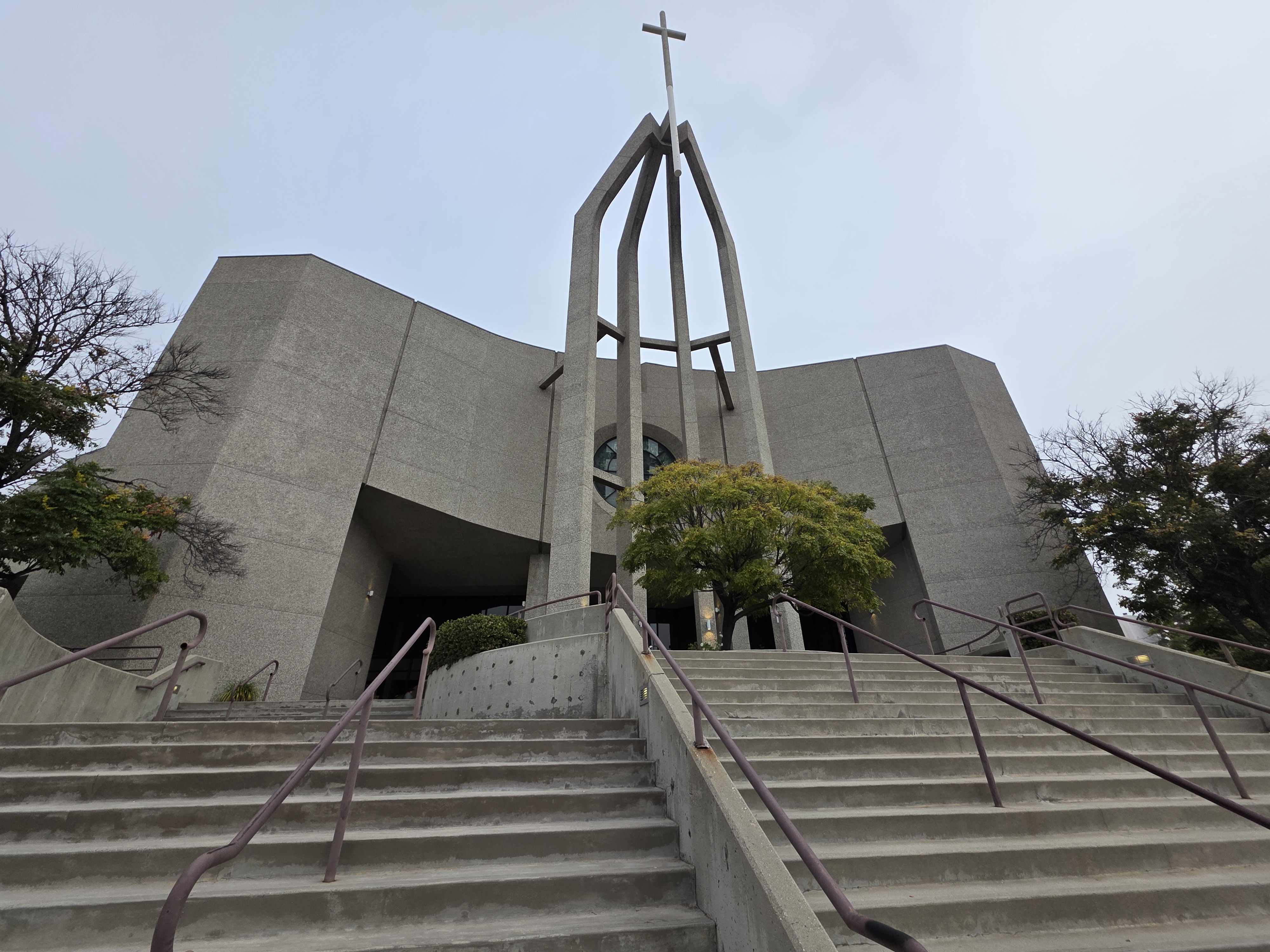
Music does not decorate worship; it helps carry it. When a congregation sings with purpose, the service gains shape, focus, and shared attention. That is why music ministry matters at Mount Hope United Methodist Church.
People often ask the same practical questions when they think about church music: What does it add to worship? Who leads it? How do I take part without feeling out of place? Those are fair questions, and they deserve clear answers. United Methodist worship has long treated music as a living part of prayer and proclamation, not as background noise. For a wider view of that tradition, the United Methodist Church worship resources and the church’s guidance on worship through Discipleship Ministries both show how singing, instruments, and congregational participation support the act of worship itself.
At Mount Hope, music ministry supports the church’s mission in a steady way. It strengthens the service, helps people participate more fully, and gives members a place to serve. In this article, I will outline the main music groups, explain how music shapes worship, and show how you can get involved through music ministry, Sunday worship services, and the church’s broader community life at Who We Are.

What Music Ministry Means in Church Life
Music ministry is the organized, prayerful work of leading a congregation in song and praise. It is not performance for its own sake. The goal is order, clarity, and shared worship. A strong music ministry does three things at once:
- supports the spoken Word with sung response,
- helps worshipers enter with reverence and attention,
- creates a shared rhythm that holds the congregation together.
In practical terms, that means rehearsals, preparation, and a disciplined approach to service planning. It also means making room for different gifts. Some people sing. Some play instruments. Some support with bells or prayerful accompaniment. Each role matters when the service begins and the congregation gathers.
| Music group | Typical role in worship | Who it may welcome |
|---|---|---|
| Chancel Choir | Leads anthem music and supports liturgical singing | Adults and older youth with a steady singing voice |
| Worship Band | Supports contemporary worship with instruments and lead vocals | Instrumentalists and vocalists who work well in a team |
| Voice of God Choir | Offers a distinctive choral presence and special service music | Singers looking for another meaningful place to serve |
| Chimes-Prayer Group | Adds reflective musical tones that support prayerful worship | Members who value careful, quiet, and disciplined ministry |
The Music Groups That Serve Mount Hope
Mount Hope’s music life is not built around a single style. It is built around service. That matters. Different groups meet different needs, and together they give the church a fuller voice.
Chancel Choir
The Chancel Choir provides stable choral leadership for worship. Choir music gives the congregation space to hear Scripture, reflection, and praise arranged with care. It also helps set a tone of reverence at key points in the service. For many churches, the choir remains one of the strongest ways to unite preparation with proclamation.
According to the United Methodist understanding of worship and discipleship, worship should shape the life of the believer, not merely fill time. Choral leadership serves that purpose well.
Worship Band
The Worship Band supports a more contemporary expression of congregational singing. Its work is not simply to sound modern. Its job is to help the congregation sing clearly, stay engaged, and keep the focus on worship rather than on the mechanics of the music. When a band is disciplined, the effect is simple: people sing more freely and listen more carefully.
Voice of God Choir
The Voice of God Choir adds another layer to Mount Hope’s worship life. A distinct choir can serve special services, broaden musical texture, and give members another point of participation. That is good church practice. A healthy congregation does not force every gift into the same lane.
Chimes-Prayer Group
The Chimes-Prayer Group reminds us that ministry is not limited to volume. Quiet musical offerings can sharpen attention and support prayer. This kind of group often helps create a calm, ordered atmosphere where worshipers can settle their minds and listen. In a distracted world, that is no small thing.
How Music Shapes Worship
Music changes the pace and posture of a service. It can gather attention before a prayer, lift a congregation during a hymn, or steady the room after a Scripture reading. That is why it belongs inside worship rather than beside it.
1. Music creates reverence and joy
Good church music carries two truths at once: reverence for God and joy among the people. Those are not opposites. A congregation can sing with seriousness and still sing with gladness. The service is stronger when both are present.
2. Music helps people participate
Some worshipers listen easily. Others sing. Others pray by hearing the words of a hymn. Music gives each person a pathway into the service. That matters because worship should not feel closed or passive. It should invite response.
3. Music strengthens community
People who rehearse together learn how to depend on one another. That builds trust. It also spills into the congregation itself. Choir members, band leaders, accompanists, and prayer musicians become visible signs that service is shared work. For a church, that is a healthy baseline.
4. Music supports spiritual formation
Repeated singing shapes memory. Hymns and worship songs often stay with people long after the service ends. That is one reason many churches treat music as discipleship. If you want a broader doctrinal frame, the overview of Methodist worship gives useful background on why song has long played a central role in Methodist practice.
How to Take Part in Music Ministry
Music ministry should not feel like a closed room. If you believe you can serve, there is likely a place for you. Skill matters, but willingness matters too. A church music team is built on preparation, not performance pressure.
- Start with your comfort level. If you sing, ask about choir opportunities. If you play an instrument, ask where you can support worship.
- Ask about rehearsal schedules. Consistency matters more than flair. Music ministry depends on reliability.
- Consider your season of life. Adults, students, and families may all find different ways to participate.
- Begin with one step. Attend a rehearsal, speak with a leader, or visit the service information to see where music fits in the weekly rhythm.
If you are new to the church, start by learning how worship is structured and where music appears in that structure. The page on who we are can help you understand the church’s mission before you choose a place to serve. That is the orderly way to enter ministry: learn the house before taking a position in it.
What Participation Looks Like in Practice
Participation is not limited to polished solo work. It can look like a wide range of disciplined contributions:
- singing in the choir during a regular season of worship,
- joining the band for a service or special event,
- ringing chimes for prayerful moments in worship,
- helping with setup, music folders, or service coordination,
- supporting children, youth, or family music moments when needed.
That range is important. Not everyone enters ministry from the same doorway. The church should make room for different abilities without lowering the value of any role. A strong ministry knows the difference between excellence and exclusivity.
Why Music Ministry Matters to the Church’s Mission
Music ministry is not a side program. It is part of how the church worships, teaches, and welcomes people. A congregation that sings together learns to listen together. It learns discipline. It learns harmony, which is useful in worship and in life.
At Mount Hope, music ministry also strengthens community involvement. It gives people a reason to serve beyond attendance. It allows newer members to plug in and long-time members to continue contributing. And it reinforces the truth that worship is shared labor, not a spectator event.
For a related look at how different ministries serve the congregation together, you can also read about community meals and breakfast ministry and how the church builds connection through regular service.
Conclusion
Music ministry enriches worship because it gives the congregation structure, unity, and room to respond. The Chancel Choir, Worship Band, Voice of God Choir, and Chimes-Prayer Group each serve a distinct role, and together they help Mount Hope worship with order and purpose.
If you are considering participation, begin with a simple step: learn more about music ministry, review the service schedule, and ask where your gifts can serve the church well. That is how community grows-one faithful role at a time.
- Music strengthens worship.
- Each music group serves a distinct ministry need.
- Participation builds community and spiritual growth.
- Music remains integral to the church’s mission.