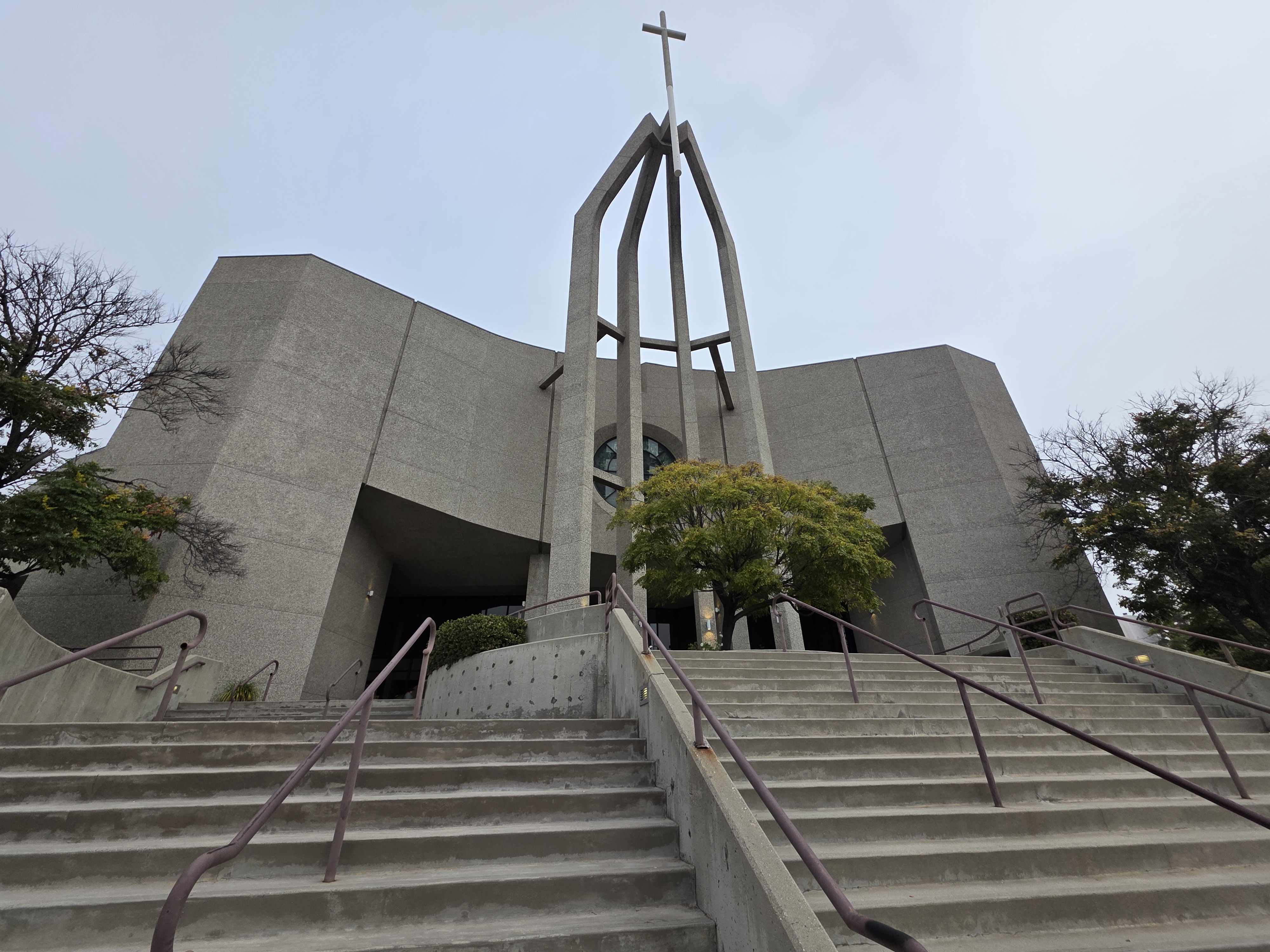
How to Find a Small Group or Class at Mount Hope This Season
If Sunday worship is the front door, small groups and classes are the kitchen table. That’s where names get remembered, questions get airtime, and faith stops feeling like a solo sport with suspiciously bad lighting.

At Mount Hope United Methodist Church, joining a class or small group can be a practical next step whether you are new to the church or have been around for a while and want a deeper connection. United Methodist discipleship has long included learning together, praying together, and serving together, so this kind of gathering is less of a side quest and more of a faithful rhythm. For a broader look at the church’s life, you can also explore the Mount Hope home page, Who We Are, and Our Mission and Vision.
Why joining a class or group matters
Small groups do a few important things at once. They help you meet people, give you a place to ask real questions, and make church life feel less like reading a manual in a thunderstorm. In United Methodist terms, they also support disciple-making: growing in worship, devotion, compassion, and justice. That means the point is not just attendance; it is formation, encouragement, and shared practice.
In a church setting, that can look like:
- learning the Bible with others,
- talking through faith questions,
- praying for one another,
- serving neighbors together, and
- building friendships that keep going after the meeting ends.
If you want a quick denominational refresher on why groups matter, United Methodist Communications has helpful overviews of small groups and disciple-making and covenant discipleship.
What kinds of groups you may find
Church calendars change, and every season has its own flavor. But a United Methodist church commonly offers a mix of groups like these:
| Group type | What it usually feels like | Good fit if you want… |
|---|---|---|
| Sunday school class | A steady weekly class with teaching and discussion | a regular place to learn and belong |
| Bible study | A smaller group focused on Scripture and conversation | time to read, reflect, and ask questions |
| Prayer group | A quieter gathering centered on prayer and care | support, spiritual rhythm, and shared concerns |
| Service or fellowship group | A group that plans meals, outreach, or community help | a hands-on way to serve with others |
| Covenant discipleship-style group | A more intentional accountability group | a structured way to practice faith together |
Not every church has every format running at the same time, so the best move is to ask what is currently available. Programs and times can change, but the welcome should not.
How to choose the right fit
Choosing a group is a little like choosing a good pair of shoes: the fanciest option is not automatically the right one, and comfort matters more than brochure glamour.
Here are a few simple filters:
- Schedule: Look for a time you can actually keep. A perfect group you miss every week is just a well-meaning rumor.
- Comfort level: Some groups are discussion-heavy; others are more relaxed. Start where you can speak honestly.
- Life stage or interest: You may connect with a mixed-age class, a parent group, a service team, or a Bible study that matches your season of life.
- Spiritual goal: Decide what you hope for-learning Scripture, building friendships, praying more regularly, or finding a service outlet.
If you are curious about the church’s overall identity, Who We Are and Our Mission and Vision are useful places to start. And if you want to know who helps coordinate ministry life, the staff page can point you in the right direction.
What first-time visitors can expect
If you walk into a class or group for the first time, expect warmth rather than a pop quiz. Most groups are glad to have new people, and a first visit usually includes introductions, a quick explanation of how the group works, and time to listen before you jump in.
A typical first meeting may include:
- a friendly welcome and quick introductions,
- a short prayer or opening conversation,
- a lesson, reading, or discussion prompt,
- space for questions and comments, and
- information about future meetings or next steps.
You do not need to know everything or bring a theological spreadsheet. Just come ready to listen, ask one honest question, and see whether the group feels like a place you can return to.
How to get connected at Mount Hope
The easiest way to find current options is to contact the church and ask what is meeting now. You can start with the Contact Us page, where you will find the best path for reaching the church. If you prefer a human point of contact, the staff page can help you match a question with the right ministry area.
It also helps to keep an eye on weekly updates, announcements, and worship conversations. That is often where churches share current class openings, seasonal studies, or new groups that are starting up.
For broader context on why local participation matters, the United Methodist Church’s guidance on daily discipleship is a useful companion read.
A simple first-step checklist for this month
- Visit the Mount Hope website and look for current updates.
- Read about the church’s mission and community life.
- Contact the church to ask which classes or small groups are available now.
- Choose one group to try, even if it feels a little new.
- Attend a worship service so you can meet people and get a feel for the church family.
- Give a group two visits before deciding whether it fits.
A friendly invitation
Finding the right group does not have to be complicated. Start small, stay curious, and let the next step be simple: visit, worship, ask a question, and see where connection grows. At Mount Hope, a small group or class can be the place where church becomes personal, steady, and a little less like wandering a maze with a folded map.
If you are ready to begin, reach out through the Contact Us page and ask about current opportunities. A good next step is often smaller than you think-and more welcoming too.