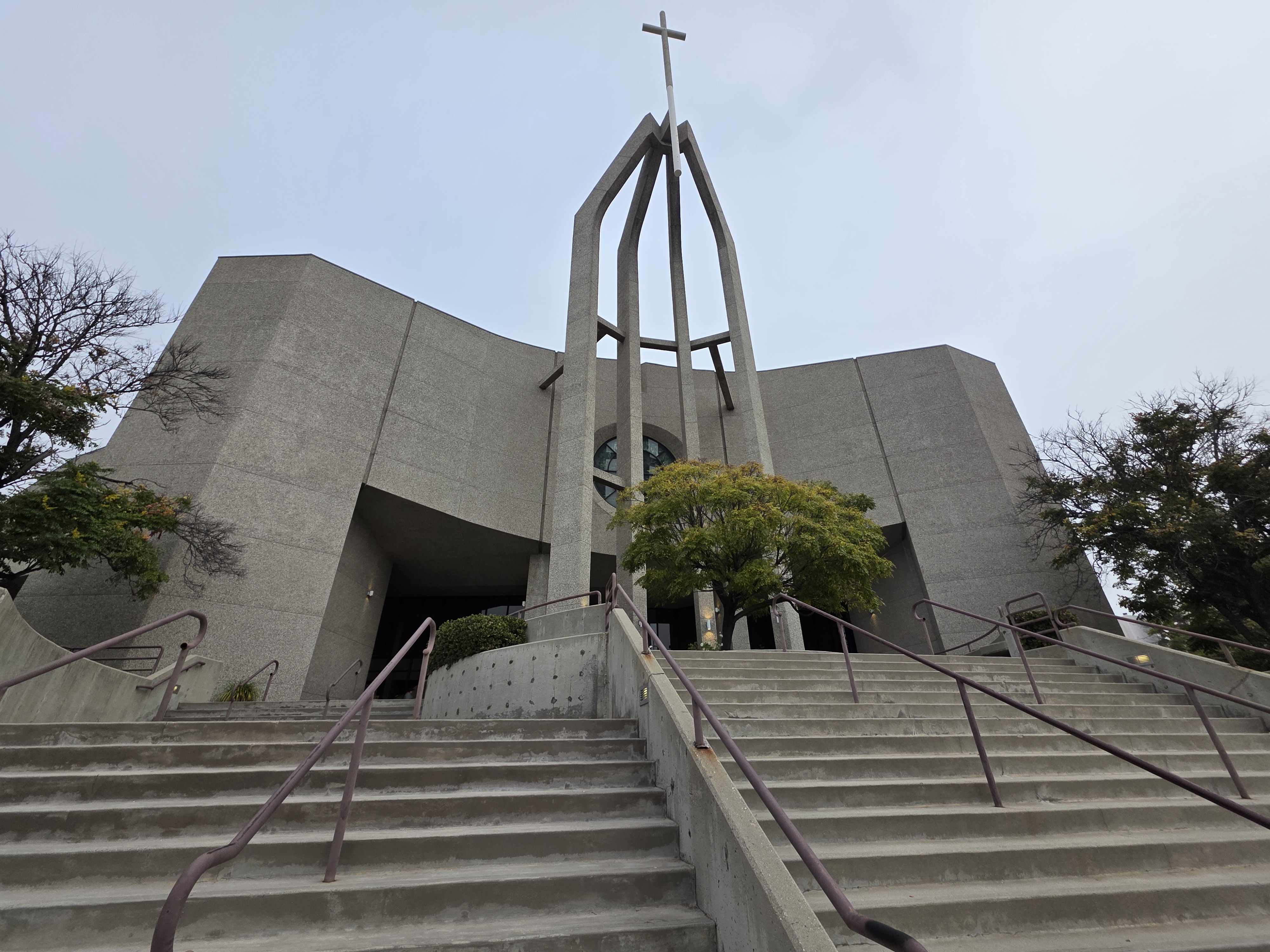
The mission statement in plain language
Church mission gets distorted fast. People turn it into slogans, then act surprised when the slogans do not change anything. So here is the clean version: Mount Hope United Methodist Church exists to help people encounter Christ, grow in faith, and live that faith in ordinary life. Not just in a worship hour. Not just when the lighting is good. In the daily mess where schedules break, families strain, and hope needs more than a nice phrase.

That is why the church’s mission and vision are not separate from its programs. They show up in worship, teaching, prayer, service, and the steady work of caring for people when life stops being polite. If you want the official statement, start with Our Mission and Vision. If you want the longer version with less gloss, keep reading.
What “crossroad” means for people at different life stages
A crossroad is not a poetic wallpaper phrase. It means people arrive with choices, questions, grief, gratitude, or a life they do not entirely understand anymore. That happens at every age.
- Students and young adults may be deciding what they believe before anyone hands them a tidy answer.
- Parents and caregivers may be trying to follow Christ while also keeping everyone fed, scheduled, and somewhat civil.
- Older adults may be asking what faith looks like in transition, loss, retirement, or new responsibility.
- People exploring faith may not be ready for certainty, but they are ready for honesty.
The church calls that a crossroad because life is full of them. The goal is not to pretend every road looks the same. The goal is to help people move toward Christ without hiding the real terrain.
How the church supports spiritual growth
Spiritual growth usually looks less dramatic than people expect. It looks like showing up, listening, learning, serving, and trying again after the obvious failure. Mount Hope supports that growth in a few practical ways.
Worship
Worship anchors the week. It gives people a place to hear Scripture, pray, sing, and remember that faith is bigger than personal mood. The point is not to impress visitors. The point is to gather people around Christ and send them back into real life with a steadier center.
Groups and classes
Growth gets fragile when it stays anonymous. Small groups, classes, and study settings give people room to ask questions without performing spiritual competence. If you want a low-pressure next step, start with the blog index for connected articles, then move toward a class or conversation that fits your season.
Service
Faith that never leaves the building is mostly decoration. Service opportunities help connect belief to action through caring for neighbors, supporting families, and joining practical ministry. The church’s mission becomes visible when people meet needs instead of merely discussing them.
For a quick orientation to the wider church story, the home page gives the basic picture. The mission page gives the statement. The rest is lived out.
How to get involved even if you are exploring faith
You do not need to arrive with every answer sorted, highlighted, and tied with a ribbon. Exploration is allowed. In fact, it is usually the honest starting point.
- Attend worship and notice what actually happens.
- Read the mission and vision page so the church’s language is clear before you make assumptions.
- Try one class, group, or ministry opportunity before deciding the whole place in one sitting.
- Ask a direct question. Clear questions are kinder than vague pretending.
If you want a straightforward first conversation, use the contact page. That is better than hovering at the edge and hoping someone telepathically reads your schedule.
Prayer and pastoral care pathways
Some needs are public. Some are not. Some are spiritual, some are practical, and some are just hard. Prayer and pastoral care exist for those moments when people need more than a generic reassurance and less than a speech.
Mount Hope’s care pathways are meant to be approachable: share a request, ask for prayer, reach out for pastoral support, or talk through what kind of help makes sense. If you are not sure what to ask for, start with the facts. The rest can be sorted out from there.
When you need the next step, do not wait for a perfect one. Contact the church, tell them what is going on, and let the conversation begin. It is a better system than silent guessing, which has a terrible track record.
Next step: talk with the church
If Mount Hope’s mission and vision sound like the kind of church you want to understand better, the simplest move is to reach out. Read the mission page, visit worship, and ask the question you have been avoiding. That is usually where real discipleship starts: not with theater, but with truth.
Contact Mount Hope United Methodist Church if you want to connect, ask about ministry opportunities, or learn how to take the next step.
Related reading: you can also explore The United Methodist Church on disciple-making, what it means to be United Methodist, and the broader UMC vision language for context.