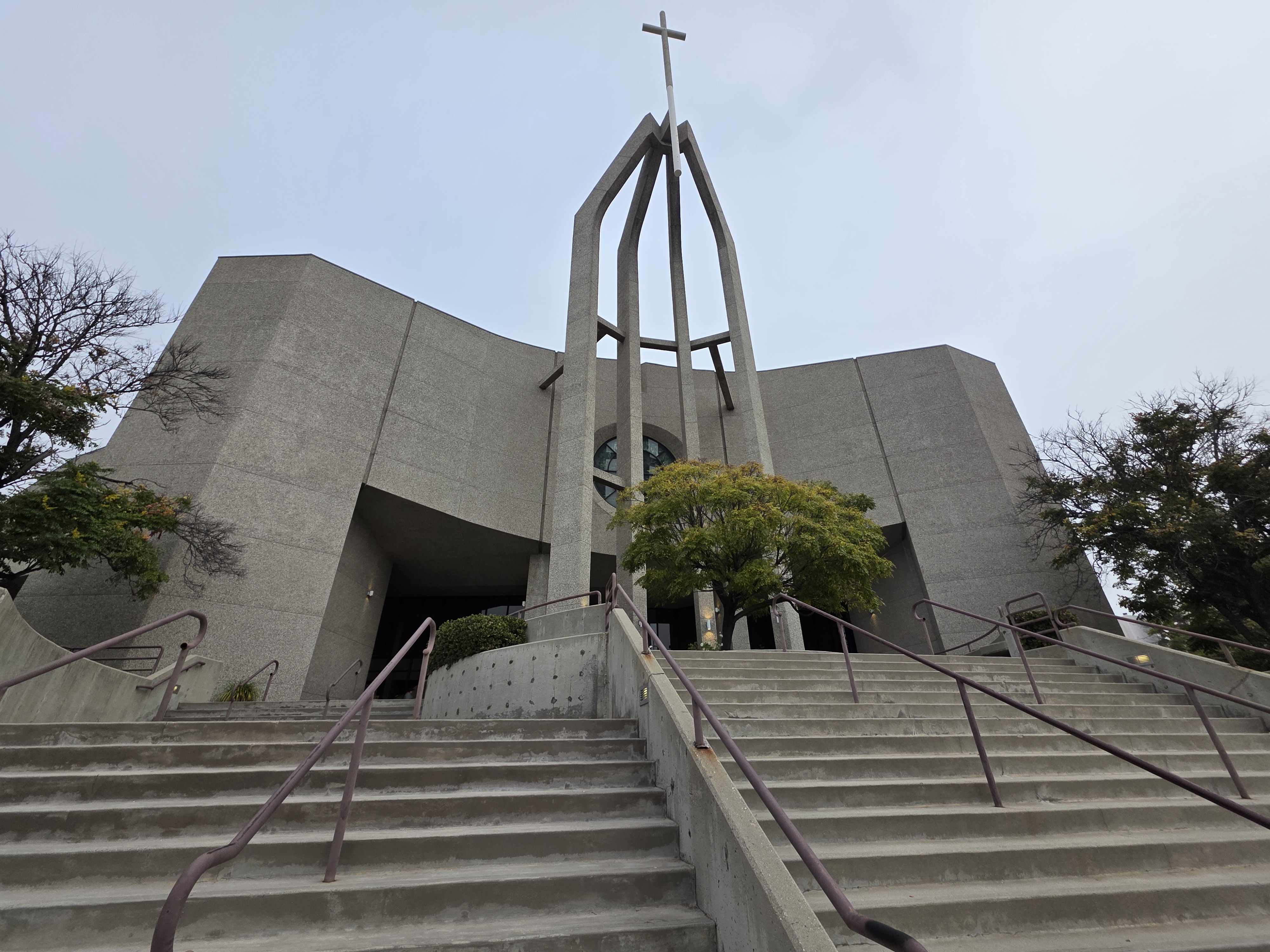
What does Christian hospitality look like in a local church today? In a United Methodist congregation, it is usually less about a single greeting and more about a steady pattern of care: a clear welcome, a thoughtful worship experience, accessible spaces, prayer, service, and follow-up that helps people feel seen.

The United Methodist Church’s current vision is often summed up as love boldly, serve joyfully, and lead courageously. That is a useful frame for hospitality because it reminds churches that welcome is not an optional extra. It is part of discipleship.
United Methodist guidance on hospitality tips for the 21st century treats welcome as an active practice. In plain language, that means churches pay attention to what a visitor experiences from the parking lot to the sanctuary, and then after the service too.
Hospitality is bigger than the door greeter
A friendly smile at the entrance matters. So does the rest of the path a person walks once they arrive. In many churches, hospitality shows up in several places at once:
- Worship welcome: clear directions, easy-to-follow bulletins, and worship leaders who speak plainly.
- Children’s ministry: safe check-in, age-appropriate care, and patient help for families trying something new.
- Accessibility: parking, seating, restrooms, hearing support, and signage that reduces guesswork.
- Follow-up: a contact card, a simple email, or a staff conversation that makes it easy to ask questions later.
That kind of hospitality fits well with United Methodist discipleship language, which emphasizes learning, serving, and becoming the kind of people who make room for others. The denomination’s article on how to be a disciple who makes disciples connects faith to concrete habits, not just ideas.
What hospitality looks like in everyday ministry
In a healthy church, hospitality does not stay in one room. It moves through the week. A welcoming church may offer prayer support, small groups, meals, tutoring, visits, or practical help for neighbors who need steady care.
That broader view is also consistent with the United Methodist summary of what it means to be United Methodist. The church is not only a place to receive encouragement; it is a community formed for service, mercy, and shared responsibility.
| Ministry setting | What hospitality can look like | Why it matters |
|---|---|---|
| Sunday worship | Clear directions, warm greetings, understandable worship flow | People can participate without feeling lost |
| Children and youth | Patient helpers, safe routines, age-appropriate care | Families can relax enough to stay engaged |
| Meals and service projects | Food, conversation, and practical support | Need is met with dignity |
| Follow-up care | Phone calls, prayer, visits, or a next-step invitation | Visitors are not left to guess what comes next |
For churches that want a broader social lens, the UMC’s Social Principles are a helpful reminder that welcome and justice belong together. Hospitality is not just being nice. It is making space for people to belong with dignity.
What visitors can usually expect the first time
If you attend a United Methodist church for the first time, you can usually expect a straightforward Sunday rhythm: greetings, worship, prayer, music, scripture, a sermon, and a simple invitation to learn more. You do not need to know all the words or have the routine memorized.
Most churches understand that first-time visitors are trying to take in several things at once: where to park, where to sit, whether children are welcome, how long the service will last, and who to ask if they need help. Good hospitality reduces that friction. It does not ask guests to become experts before they can belong.
How to get involved without pressure
Hospitality works best when it is low-pressure and honest. If you are looking for a place to begin, try one small step at a time:
- Attend worship and notice what feels clear or confusing.
- Say hello to a staff member or greeter and ask one or two questions.
- Read about who we are and our mission and vision.
- Look at what we believe if you want a deeper sense of the church’s values.
- Join a class, volunteer, or ask where help is needed next.
If your question is more practical than spiritual, that is fine too. Sometimes the first step is simply finding the right person to talk to. The church’s contact page and staff page are good places to start.
Why this matters for church life now
Church hospitality is not meant to be polished in a showroom sense. It is meant to be dependable. People should be able to arrive, breathe, and know someone will help if something is unclear. That kind of care is part of everyday ministry, not a special event.
For Mount Hope and other United Methodist churches, hospitality becomes most meaningful when it connects welcome, worship, service, and follow-through. That is how “open hearts, open minds, open doors” becomes more than a slogan.
If you would like to learn more about the church’s life together, start with who we are, then explore our mission and vision, and reach out through the contact page when you are ready.