
Volunteer Life
Volunteer at Mount Hope: Find a Place That Fits You
Volunteering should feel meaningful, not overwhelming. The right role is usually the one that fits your time, your comfort level, and the way you naturally help people.
At Mount Hope, service can look very different from one person to the next. Some people welcome visitors at the door. Some help lead music. Some support children and youth. Others pitch in with meals, outreach, or the quiet work that keeps ministry moving. You do not have to do everything to be useful. You only need a place where your help is genuinely needed and you can keep showing up with a clear mind.
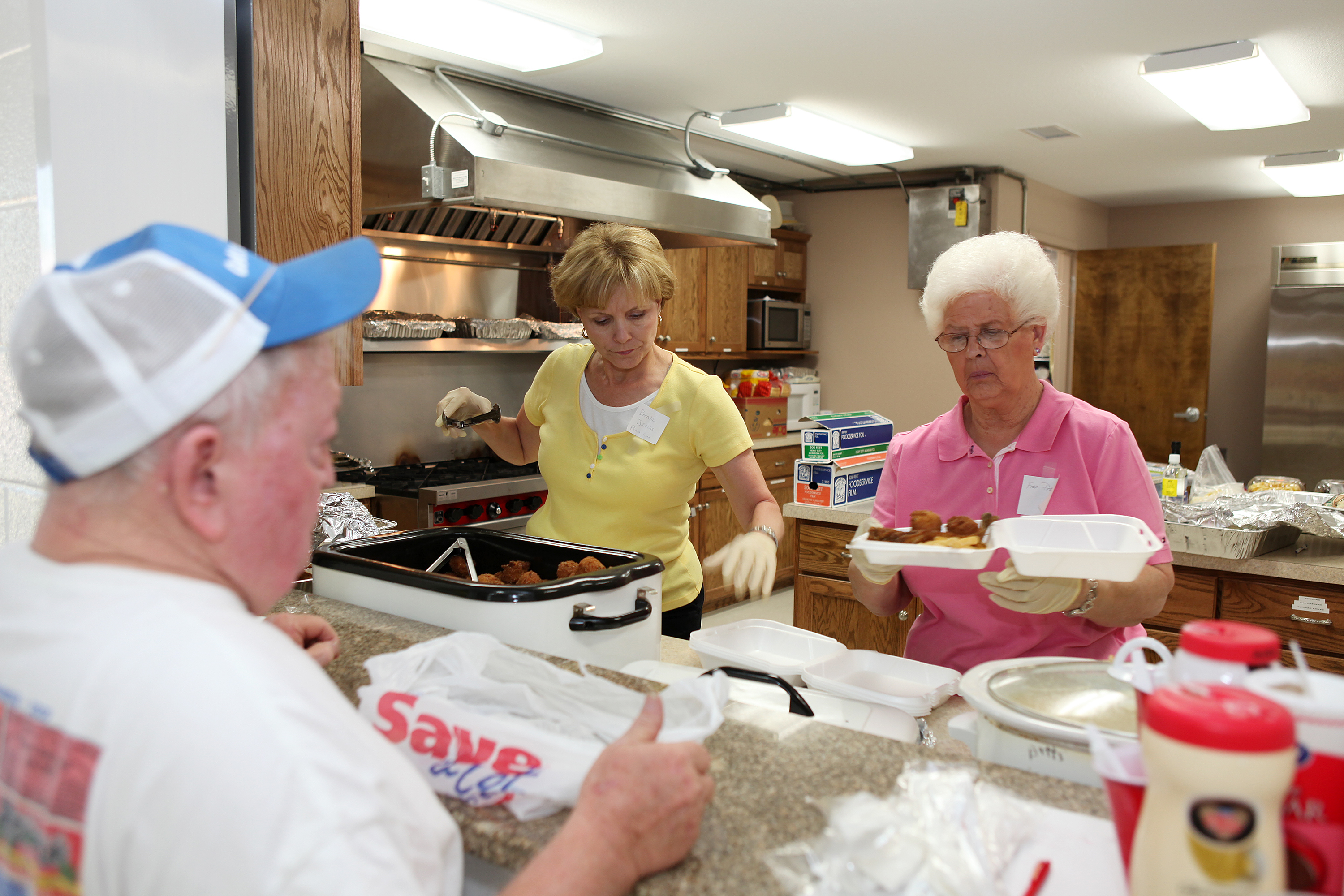
If you want a broad reminder that volunteering comes in many shapes, the VolunteerMatch directory and the Points of Light volunteer resources both show how people can compare causes, interests, and time commitments before they say yes to anything.
Why volunteering matters
Church volunteer work is not just about covering a schedule. It is one way a congregation notices people, serves the neighborhood, and makes room for everyday care. A warm greeting can lower anxiety for a first-time visitor. A patient helper in a children’s space can give a parent enough peace to pay attention in worship. A meal team can turn a practical task into a quiet act of hospitality.
That matters because many people want to serve, but they do not want to sign up for a role that drains them. A healthy volunteer culture leaves room for boundaries. It tells the truth about what a role requires, names who it is for, and makes it easy to step in without being trapped by vague expectations.
For a general reference on the value of civic service, the AmeriCorps volunteer page is a useful reminder that small acts of service still matter. The scale is not the point; the faithfulness is.
Common volunteer areas
Not every role asks for the same kind of energy. Some need a friendly face. Some need a steady voice. Some need someone who is happy to set up chairs, carry supplies, or check in quietly behind the scenes. If you are trying to decide where you fit, start with the kind of help that feels sustainable, not just impressive.
| Volunteer area | What it usually involves | Good fit if you… | Notes |
|---|---|---|---|
| Welcome and hospitality | Greeting people, answering simple questions, helping visitors find the right room or seat. | Like meeting people and staying calm when the morning is moving fast. | A strong welcome can make a new person feel at home in one minute. |
| Music ministry | Singing, playing, rehearsing, or helping support worship music. | Feel comfortable with practice, rhythm, and teamwork. | Music volunteers help worship breathe, not just fill time. |
| Children and youth support | Helping with check-in, classroom support, events, or safe supervision. | Enjoy working with young people and want a role with clear boundaries. | Start by reviewing the Children & Youth page so you know where that ministry fits. |
| Outreach and meals | Packing food, helping serve meals, sorting supplies, or supporting community care. | Prefer practical service and like seeing a job completed from start to finish. | These roles often suit people who like to work with their hands. |
| Behind-the-scenes help | Setup, cleanup, notes, communication, and other quiet support tasks. | Prefer useful work without being in front of the room. | Some of the most valuable service is the kind people barely notice. |
How to choose a role
The best fit is usually a balance of three things: time, interest, and comfort. If any one of those is missing, the role may still be good, but it may not be good for you right now. That distinction saves a lot of churn.
- Time: Can you keep the commitment without feeling squeezed every week?
- Interest: Does the work feel meaningful, even on ordinary days?
- Comfort: Are you okay with the amount of visibility, noise, or interaction the role requires?
- Energy: Will the role leave you able to serve again next time?
If you are unsure where to begin, start with a low-pressure role and learn from it. A good first step is often greeting, setup, or another task with a clear beginning and ending. People sometimes assume that serving means taking the biggest job available. Not true. The more honest rule is simpler: take the next job you can do well.
For more ways to think about matching people to opportunities, resources like VolunteerMatch are useful because they let you compare causes and commitments without needing to solve the whole question in one sitting. That kind of sorting can help you notice what actually fits.
A simple onboarding path
Good volunteer onboarding should feel clear and human. A person should know who to contact, what happens next, and what training or shadowing is expected before they begin. The process does not need to be elaborate to be reassuring.
- Reach out. Start with the church contact page and say what kind of service you are considering.
- Talk through the fit. Ask what the role involves, how often it comes up, and whether there is a training step.
- Meet or shadow. If it helps, observe once before you commit. Sometimes the room tells you what a description cannot.
- Learn the basics. A short orientation, safety note, or checklist can prevent confusion later.
- Begin with a clear first date. Starting is easier when the next step is specific.
That kind of path respects both the volunteer and the ministry. It avoids guessing, avoids pressure, and gives people room to answer honestly. If a role needs additional preparation, say so plainly. If a role is lighter than it sounds, say that too. Clarity is a form of hospitality.
For ministry teams that want a reminder of how small commitments still build real service, the AmeriCorps volunteer page is a practical place to see how many different kinds of volunteer effort count as meaningful service.
How to serve if you’re new
If you are new to volunteering, do not wait until you feel fully ready. That moment tends to be fictional. Start with the kind of role that lets you learn while you help. Many good volunteers begin with one event, one shift, or one small task and grow from there.
A few gentle ways to begin:
- Try a one-time event before committing to a regular role.
- Choose a behind-the-scenes job if being front and center feels too steep.
- Ask for a partner or mentor if the task is new to you.
- Let the team know if you need a slower introduction.
- Remember that learning is part of serving; you are not expected to arrive finished.
If you want the church to help you find a place, use the Contact Us page and include a short note about what you enjoy, what kind of schedule feels realistic, and whether you prefer working with people or working quietly in the background. That is enough information to start a real conversation.
Where to start next
The right volunteer role is usually closer than it looks. Start with the page that matches your interest, then follow the path that makes the next step obvious.
- Visit the Contact Us page if you are ready to ask about serving.
- Review Children & Youth if that is where your interest is strongest.
- Return to the home page if you want the quickest route back to the main site.
One good fit is enough to begin. You do not need to solve every ministry question before you say yes. Start with a place that matches your gifts, and let trust build from there.